

The Bishop of Meath has defended the continuing value of Catholic education in Ireland, insisting that parents still strongly support faith-based schools, even as critics argue that many institutions bearing the Catholic name no longer reflect a robust religious identity.
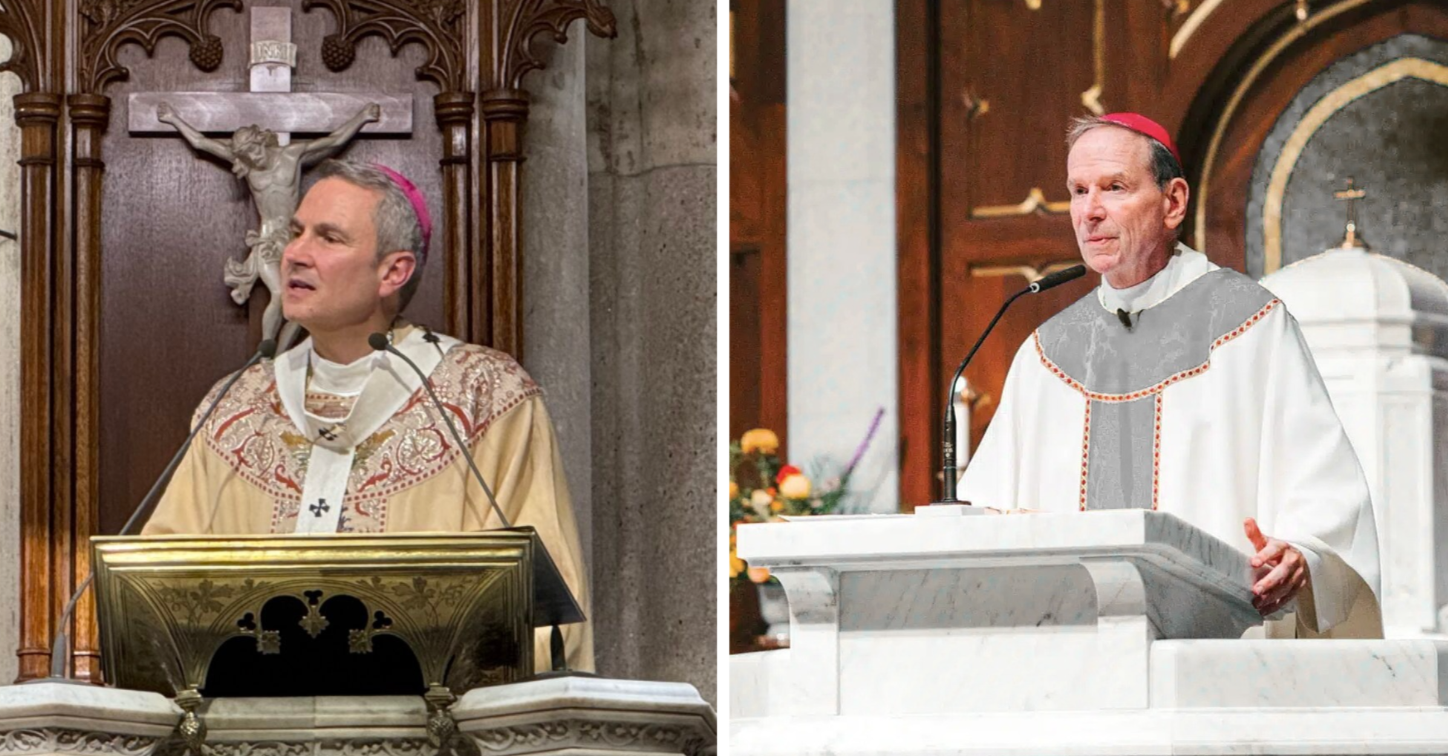
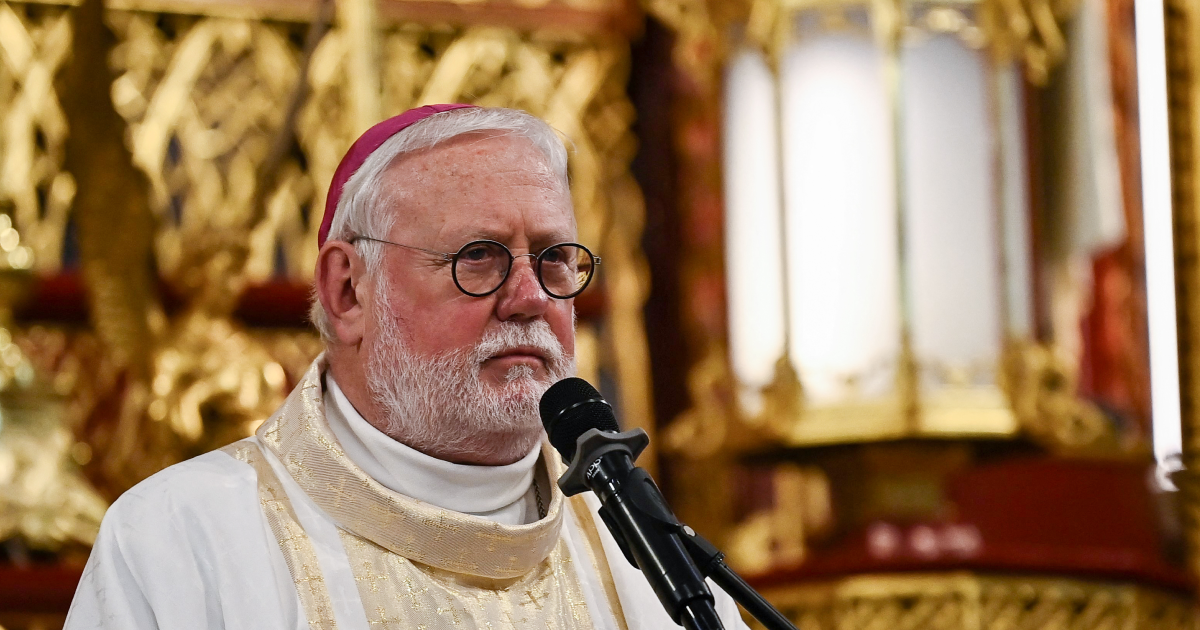
The comments were made by Bishop Tom Deenihan during celebrations marking the 50th anniversary of St Oliver Plunkett’s Primary School in Navan. Addressing parents and staff, Bishop Deenihan criticised what he described as an “ill-informed and false” portrayal of Catholic schools as places of coercion or indoctrination.
He pointed to recent survey data from the Irish Department of Education indicating that a majority of parents in many communities prefer their local schools to remain under Catholic patronage.
“We have had the survey on divesting. We have achieved a result,” he said. “Democracy, maturity, pluralism, respecting parental choice, and even inclusion itself, demand that we accept the result of that survey.”
The bishop acknowledged the historical failings of Church-run institutions, stating that past abuses in education and care settings represented “atrocities” for which the Church shares responsibility. At the same time, he emphasised the historical role played by religious orders in establishing Ireland’s education system long before the introduction of state-funded schooling.
Catholic schools continue to educate the majority of primary pupils in Ireland, where the Church remains the largest patron of schools. However, the sector has undergone significant cultural and demographic change in recent decades, particularly in urban areas where populations have become more religiously diverse. Government policy has encouraged the gradual transfer, or “divesting”, of some schools to non-denominational or multidenominational management in response to parental demand.
Alongside debates over patronage, critics – including some Catholic educators and bishops – have raised concerns about the weakening of religious identity within schools that formally retain Catholic status. Surveys and pastoral reports have pointed to declining Mass attendance among pupils and families, reduced participation in sacramental life and increasing difficulty in maintaining explicitly Catholic teaching on moral and doctrinal issues.
In 2004, for example, the Auxiliary Bishop of Dublin, the Most Rev Martin Drennan, warned that many schools risked becoming “Catholic in name only” if faith formation was not strengthened. “There are parents who send their children to Catholic schools but have no interest in supporting a Catholic ethos there,” he said.
Similarly, Catholic education bodies in the United Kingdom and elsewhere have reported challenges in recruiting practising Catholic teachers and ensuring that religious instruction remains central to school life rather than purely cultural or administrative.
Observers note that the issue is not unique to Ireland. Across Europe and North America, Catholic schools have faced pressure to balance their religious ethos with secular educational standards, anti-discrimination law and changing social expectations. In some jurisdictions, disputes have arisen over curriculum content, admission policies and the teaching of Catholic moral doctrine, particularly in relation to sexuality and family life.
In 2015, Cathal Barry reported for The Irish Catholic that teachers felt “intimidated” and often felt a need to “hide [their] faith”. In April 2026, Fr Mark Quin said: “The people who are there [for the sacraments] just don’t want to be there – there’s a sense of apathy and a sense of ‘tick the box’.”
Despite these difficulties, Bishop Deenihan argued that local communities continue to value the pastoral and educational contribution of Catholic schools. He said many institutions provide inclusive environments serving pupils from a wide range of religious, ethnic and socio-economic backgrounds, and insisted that their popularity remains evident in enrolment patterns.
“It is important that the wider community see the work that this school, and so many others, is doing and can appreciate for themselves the happy, learning environment that has been created and is being sustained,” he said.
The debate over the future of Catholic education in Ireland is expected to continue as demographic change, secularisation and parental choice reshape the country’s school system, raising broader questions about how institutions can preserve a distinctively Catholic identity while operating within increasingly pluralistic societies.