March 24, 2026

Cardinal says Church cannot “continue to exist” without women’s ordination

The Catholic Herald
More
Related
Min read
share

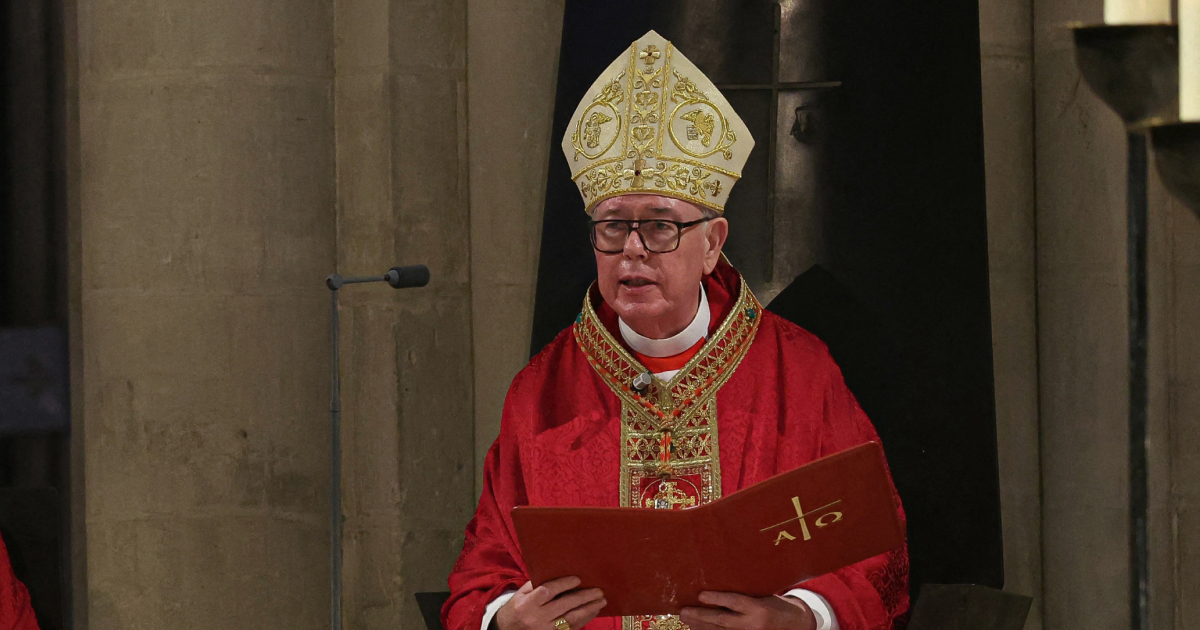
Cardinal Jean-Claude Hollerich has said he cannot see how the Catholic Church can endure in the long term if women continue to be excluded from ordained ministry.

Speaking at a symposium in Bonn, he said, according to Kath.Ch: “I cannot imagine how a Church can continue to exist in the long term if half of the people of God suffer because they do not have access to ordained ministry.”

The Archbishop of Luxembourg made the remarks during a conference examining synodality and curial reform, where he reflected on how his own thinking on the issue has developed. He said: “As a bishop, I have also learned that this is not just a demand of some left-leaning women’s groups.” He added that his encounters at parish level had shaped that conclusion, insisting that the concern is more widespread than is sometimes suggested.

“When I speak with women in parishes, 90 per cent share the same opinion,” he said, presenting this as a pastoral reality that bishops must take seriously. His comments place him among those senior churchmen who, while not proposing an immediate change in doctrine, have sought to emphasise the strength of feeling among sections of the faithful and the need for continued discussion.

At the same time, Hollerich acknowledged that the question is not viewed in the same way across the universal Church. He cautioned that in some parts of the world the debate is regarded with scepticism or indifference, describing how, for many outside Western Europe, it appears as “artificial problems”. That divergence, he indicated, complicates any attempt to treat the issue as a straightforward global priority and underlines the tensions inherent in a synodal process that seeks to listen to differing voices.

The cardinal’s intervention comes as reforms initiated under Pope Francis, particularly through the apostolic constitution Praedicate Evangelium, have opened senior positions in the Roman Curia to lay men and women. Those changes have been presented in Rome as a widening of participation in Church governance.

Cardinal Hollerich indicated that the expansion of women’s roles in leadership would continue under Pope Leo XIV, saying that the principle should be that women are able to take part in decision-making wherever possible within the existing framework. “It would be my deepest wish that the whole Church rejoices in this,” he said, referring to the growing presence of women in positions of responsibility.

The cardinal’s remarks follow the publication of a further Vatican study document commissioned after the opening phase of the synodal process, addressing the same questions from a more detailed theological and pastoral perspective.

The text, issued on March 3 by the General Secretariat of the Synod, sets out the findings of Study Group No 5, which was tasked with examining “women’s participation in the life and leadership of the Church”. It is one of several reports requested by Pope Francis following the first session of the Synod of Bishops’ XVI Ordinary General Assembly, with the aim of exploring issues that could not be fully resolved during the assembly itself and informing the next stage of the process.

In a statement accompanying the publication, Cardinal Mario Grech said the debate must be understood in its broader context, arguing that “when speaking about the role of women in the life of the Church, we must be aware that it is first and foremost a matter of cultural order”. He warned that “too often, the way faith is lived is determined by certain cultural aspects rather than by Gospel values”, and said the Church must ensure its mission promotes “respect for the rights of all and co-responsibility according to each person’s vocation”.
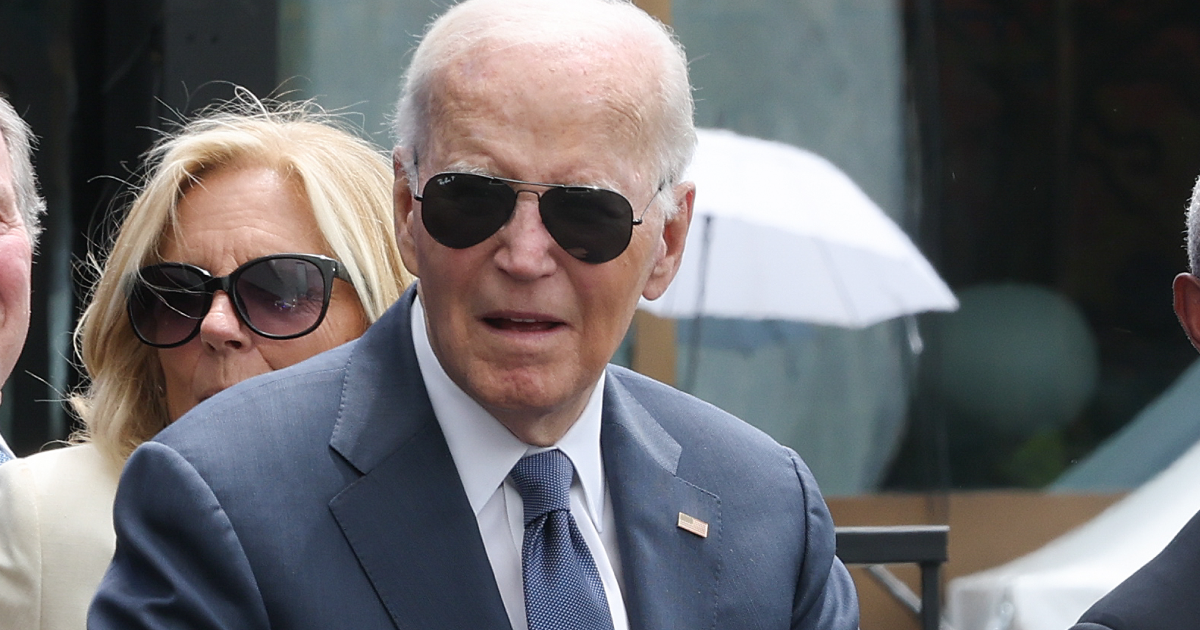

Cardinal Jean-Claude Hollerich has said he cannot see how the Catholic Church can endure in the long term if women continue to be excluded from ordained ministry.

Speaking at a symposium in Bonn, he said, according to Kath.Ch: “I cannot imagine how a Church can continue to exist in the long term if half of the people of God suffer because they do not have access to ordained ministry.”

The Archbishop of Luxembourg made the remarks during a conference examining synodality and curial reform, where he reflected on how his own thinking on the issue has developed. He said: “As a bishop, I have also learned that this is not just a demand of some left-leaning women’s groups.” He added that his encounters at parish level had shaped that conclusion, insisting that the concern is more widespread than is sometimes suggested.

“When I speak with women in parishes, 90 per cent share the same opinion,” he said, presenting this as a pastoral reality that bishops must take seriously. His comments place him among those senior churchmen who, while not proposing an immediate change in doctrine, have sought to emphasise the strength of feeling among sections of the faithful and the need for continued discussion.

At the same time, Hollerich acknowledged that the question is not viewed in the same way across the universal Church. He cautioned that in some parts of the world the debate is regarded with scepticism or indifference, describing how, for many outside Western Europe, it appears as “artificial problems”. That divergence, he indicated, complicates any attempt to treat the issue as a straightforward global priority and underlines the tensions inherent in a synodal process that seeks to listen to differing voices.

The cardinal’s intervention comes as reforms initiated under Pope Francis, particularly through the apostolic constitution Praedicate Evangelium, have opened senior positions in the Roman Curia to lay men and women. Those changes have been presented in Rome as a widening of participation in Church governance.

Cardinal Hollerich indicated that the expansion of women’s roles in leadership would continue under Pope Leo XIV, saying that the principle should be that women are able to take part in decision-making wherever possible within the existing framework. “It would be my deepest wish that the whole Church rejoices in this,” he said, referring to the growing presence of women in positions of responsibility.

The cardinal’s remarks follow the publication of a further Vatican study document commissioned after the opening phase of the synodal process, addressing the same questions from a more detailed theological and pastoral perspective.

The text, issued on March 3 by the General Secretariat of the Synod, sets out the findings of Study Group No 5, which was tasked with examining “women’s participation in the life and leadership of the Church”. It is one of several reports requested by Pope Francis following the first session of the Synod of Bishops’ XVI Ordinary General Assembly, with the aim of exploring issues that could not be fully resolved during the assembly itself and informing the next stage of the process.

In a statement accompanying the publication, Cardinal Mario Grech said the debate must be understood in its broader context, arguing that “when speaking about the role of women in the life of the Church, we must be aware that it is first and foremost a matter of cultural order”. He warned that “too often, the way faith is lived is determined by certain cultural aspects rather than by Gospel values”, and said the Church must ensure its mission promotes “respect for the rights of all and co-responsibility according to each person’s vocation”.

subscribe to
the catholic herald

Continue reading your article with a subscription.
Read 5 articles with our free plan.
Subscribe

subscribe to the catholic herald today

Our best content is exclusively available to our subscribers. Subscribe today and gain instant access to expert analysis, in-depth articles, and thought-provoking insights—anytime, anywhere. Don’t miss out on the conversations that matter most.
Subscribe