

March 3, 2026

Catholic Church in India reaches out to transgender community

The Catholic Herald
More
Related
Min read
share

The Catholic Church in southern India has launched a new pastoral initiative for the transgender community.

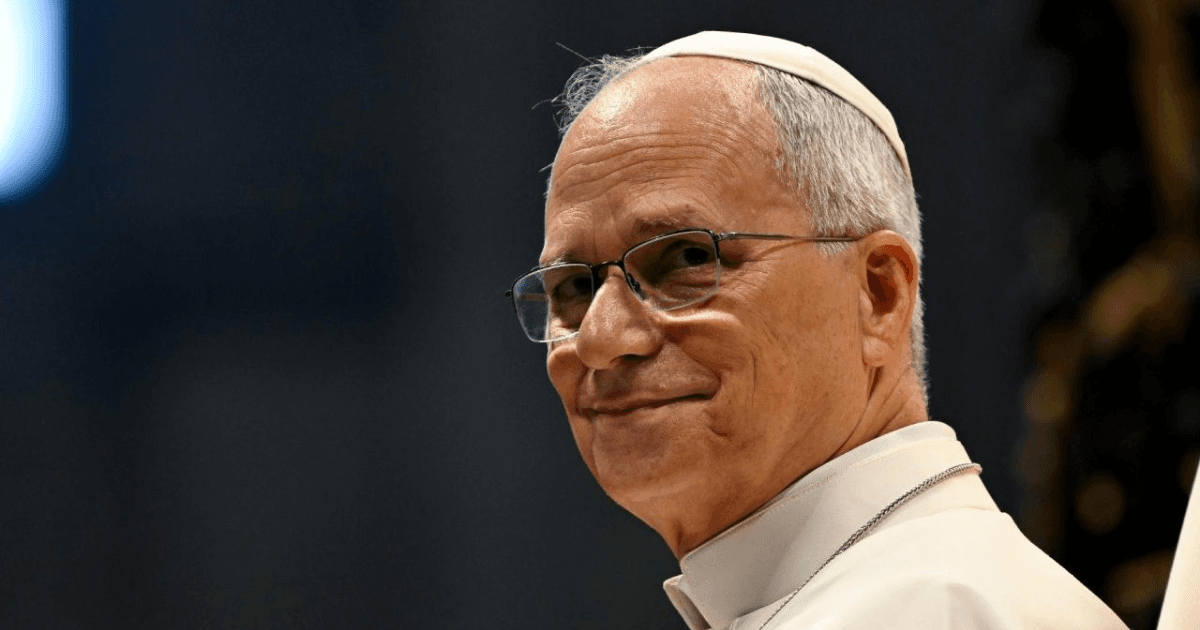
The archbishop of the Roman Catholic Archdiocese of Madras and Mylapore formally inaugurated a dedicated “Catholic Desk” for transgender persons during a parish visit to Kadarkarai Sagaya Madha Church in Ennore, a coastal district of Chennai, on February 26. The opening followed the blessing of newly completed parish facilities and is understood to be the first structured ministry of its kind within the archdiocese.

Church officials indicated that the initiative is intended to offer practical assistance as well as spiritual accompaniment. Among the services envisaged are help with employment opportunities and access to professional counselling, which diocesan representatives described as part of a commitment to uphold human dignity while responding to acute social vulnerability.

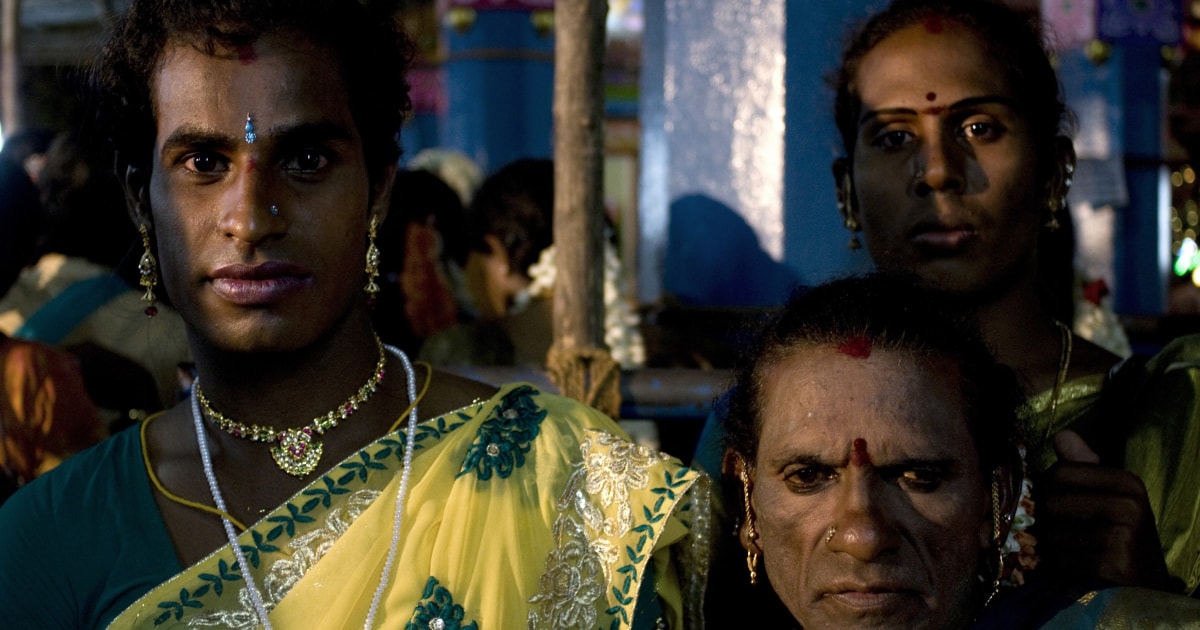
India’s transgender population is estimated at around half a million. Many belong to the Hijra community, officially recognised in several South Asian countries as neither exclusively male nor female, drawing on Hindu, Islamic and local traditions. Historically, they have occupied ritual roles at births and weddings.

Previously, in 2017, clergy, Religious and lay leaders in Kerala established a support network under the aegis of Pro-Life Support, a Church-based social service movement aimed at addressing pastoral and social needs among transgender people in that state. The initiative followed public remarks by Pope Francis urging pastoral care for those who identify as LGBT, comments cited by clergy in India seeking to expand outreach.

Kerala has since witnessed a series of practical measures involving Catholic institutions. Religious sisters from the Congregation of the Mother of Carmel made premises available for an educational project for transgender school dropouts after numerous landlords reportedly declined to rent space for such a venture. Caritas India, the Church’s charitable arm, has also announced programmes designed to counter discrimination and promote social inclusion.

Activists in Kerala have acknowledged Church support for pilot educational schemes, arguing that religious institutions can exert influence at grass-roots level in shaping social attitudes. Such cooperation has not been without controversy in a country where questions of gender identity intersect with deeply rooted religious traditions and where Christian communities themselves constitute a minority.

The Hijra identity predates Christianity’s arrival in India and is intertwined with Hindu mythology. Devotion to the goddess Bahuchara Mata and the composite deity Ardhanarishvara, a form of Shiva embodying both masculine and feminine aspects, remains significant within parts of the community.

The Catholic Church teaches that every human person is created in the image and likeness of God, male and female, and possesses an inviolable dignity that no circumstance can erase. Magisterial teaching holds that sexual difference is not incidental but constitutive of the human person. For that reason, the Church has rejected theories that detach gender from biological sex or propose a self-defined identity independent of the body. In 2023 the Dicastery for the Doctrine of the Faith reiterated that so-called “gender ideology” obscures the reality of sexual complementarity and risks reducing identity to subjective construction.

Although no magisterial document addresses the South Asian Hijra community specifically, the Church’s universal moral teaching applies. Cultural expressions of a “third gender”, including practices historically associated with ritual castration or religious symbolism drawn from pre-Christian traditions, would be judged incompatible with Christian tradition, which affirms the integrity of the sexed body as part of God’s design. 

The Church does, however, insist that all people are treated with respect and made in the image and likeness of God. Therefore, pastoral programmes which seek to mitigate the plight of the socially downtrodden and excluded, which much of India’s Hijra community are, can be seen as expressions of this teaching. 

The Catholic Church in southern India has launched a new pastoral initiative for the transgender community.

The archbishop of the Roman Catholic Archdiocese of Madras and Mylapore formally inaugurated a dedicated “Catholic Desk” for transgender persons during a parish visit to Kadarkarai Sagaya Madha Church in Ennore, a coastal district of Chennai, on February 26. The opening followed the blessing of newly completed parish facilities and is understood to be the first structured ministry of its kind within the archdiocese.
Church officials indicated that the initiative is intended to offer practical assistance as well as spiritual accompaniment. Among the services envisaged are help with employment opportunities and access to professional counselling, which diocesan representatives described as part of a commitment to uphold human dignity while responding to acute social vulnerability.

India’s transgender population is estimated at around half a million. Many belong to the Hijra community, officially recognised in several South Asian countries as neither exclusively male nor female, drawing on Hindu, Islamic and local traditions. Historically, they have occupied ritual roles at births and weddings.

Previously, in 2017, clergy, Religious and lay leaders in Kerala established a support network under the aegis of Pro-Life Support, a Church-based social service movement aimed at addressing pastoral and social needs among transgender people in that state. The initiative followed public remarks by Pope Francis urging pastoral care for those who identify as LGBT, comments cited by clergy in India seeking to expand outreach.

Kerala has since witnessed a series of practical measures involving Catholic institutions. Religious sisters from the Congregation of the Mother of Carmel made premises available for an educational project for transgender school dropouts after numerous landlords reportedly declined to rent space for such a venture. Caritas India, the Church’s charitable arm, has also announced programmes designed to counter discrimination and promote social inclusion.

Activists in Kerala have acknowledged Church support for pilot educational schemes, arguing that religious institutions can exert influence at grass-roots level in shaping social attitudes. Such cooperation has not been without controversy in a country where questions of gender identity intersect with deeply rooted religious traditions and where Christian communities themselves constitute a minority.

The Hijra identity predates Christianity’s arrival in India and is intertwined with Hindu mythology. Devotion to the goddess Bahuchara Mata and the composite deity Ardhanarishvara, a form of Shiva embodying both masculine and feminine aspects, remains significant within parts of the community.

The Catholic Church teaches that every human person is created in the image and likeness of God, male and female, and possesses an inviolable dignity that no circumstance can erase. Magisterial teaching holds that sexual difference is not incidental but constitutive of the human person. For that reason, the Church has rejected theories that detach gender from biological sex or propose a self-defined identity independent of the body. In 2023 the Dicastery for the Doctrine of the Faith reiterated that so-called “gender ideology” obscures the reality of sexual complementarity and risks reducing identity to subjective construction.

Although no magisterial document addresses the South Asian Hijra community specifically, the Church’s universal moral teaching applies. Cultural expressions of a “third gender”, including practices historically associated with ritual castration or religious symbolism drawn from pre-Christian traditions, would be judged incompatible with Christian tradition, which affirms the integrity of the sexed body as part of God’s design. 

The Church does, however, insist that all people are treated with respect and made in the image and likeness of God. Therefore, pastoral programmes which seek to mitigate the plight of the socially downtrodden and excluded, which much of India’s Hijra community are, can be seen as expressions of this teaching. 

subscribe to
the catholic herald

Continue reading your article with a subscription.
Read 5 articles with our free plan.
Subscribe

subscribe to the catholic herald today

Our best content is exclusively available to our subscribers. Subscribe today and gain instant access to expert analysis, in-depth articles, and thought-provoking insights—anytime, anywhere. Don’t miss out on the conversations that matter most.
Subscribe