



April 10, 2026

Catholic scholars urge restraint as Iran ceasefire remains fragile

The Catholic Herald
More
Related
Min read
share

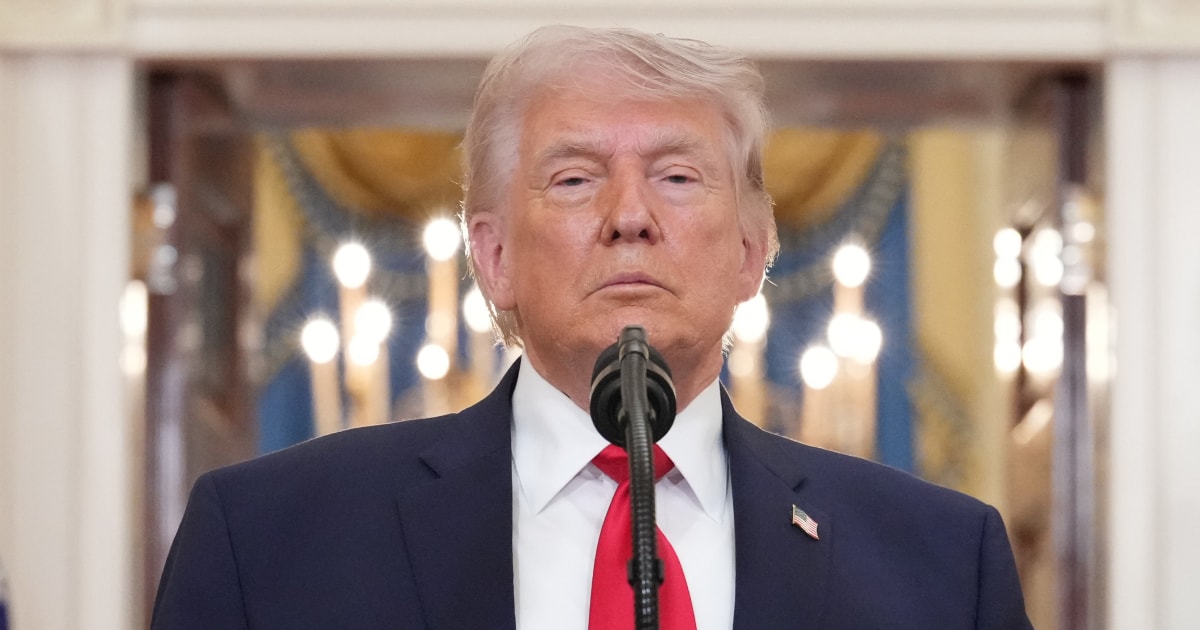
Catholic moral theologians have voiced concern over threats made against Iran’s civilian infrastructure, warning that any resumption of fighting must not place non-combatants in the line of deliberate attack. Their interventions came as a fragile ceasefire between the United States and Iran remained in place following several days of heightened rhetoric from President Donald Trump.

President Trump announced a ceasefire on 7 April, only hours after threatening the destruction of Iran’s “whole civilization” if Tehran did not accept American terms. The report said plans to strike power plants and bridges had been paused for around two weeks, though disputes over the ceasefire’s terms and the shape of any negotiations quickly raised fresh tensions.

Theologians interviewed by EWTN converged on a central point: Catholic teaching does not permit the intentional harming of civilians, even in war. Joseph Capizzi, Dean and Professor of Moral Theology and Ethics at The Catholic University of America, said the president’s rhetoric was “utterly alien to a peaceful intention”, arguing that even where war might be justified, its intention must always be peace. He added that Catholics do not pray for vengeance against their enemies, but for victory marked by humility and ordered towards peace.

William Newton, Chairman of Theology at Franciscan University of Steubenville, also stressed that disputes are best resolved by talking rather than fighting wherever possible. He said threats to destroy Iran appeared to imply attacks extending far beyond legitimate military targets and would therefore be immoral, though he cautioned that intention matters and that public words do not always fully reveal operational intent.

Taylor Patrick O’Neill, a theology professor at Thomas Aquinas College, described the ceasefire as a cause for hope, though not yet lasting peace. He said force must be used only as an absolute last resort and argued that the morality of striking infrastructure depends not only on whether it could affect military capability, but on why it is being targeted and what foreseeable harm it would inflict on the innocent. In his view, talk of mass-casualty strikes that make no distinction between combatant and non-combatant cannot be squared with Catholic moral reasoning.

The Catechism teaches that war may be justified only under strict conditions, including grave cause, exhausted alternatives, proportionality and a serious prospect of success. That principle is especially relevant where civilian infrastructure is concerned. Capizzi said the idea that a power plant is “dual use” because it serves both homes and military production does not automatically make it a lawful target. O’Neill similarly argued that if civilian suffering is sought as a means to achieve political or military ends, the action fails morally. Newton, for his part, said any intention to demoralise an entire population would be incompatible with the principle of double effect, though he stopped short of claiming that such an intention had been conclusively established.

Continue reading with a free account

Create a free account to read up to five articles each month
Create free account

You have # free articles remaining this month.

Subscribe to get unlimited access.
Sign up

subscribe to the catholic herald today

Our best content is exclusively available to our subscribers. Subscribe today and gain instant access to expert analysis, in-depth articles, and thought-provoking insights—anytime, anywhere. Don’t miss out on the conversations that matter most.
Subscribe