




May 27, 2026

Chicago’s low seminary numbers contrast with Tyler’s vocations record

Thomas Colsy
More
Related
Min read
share

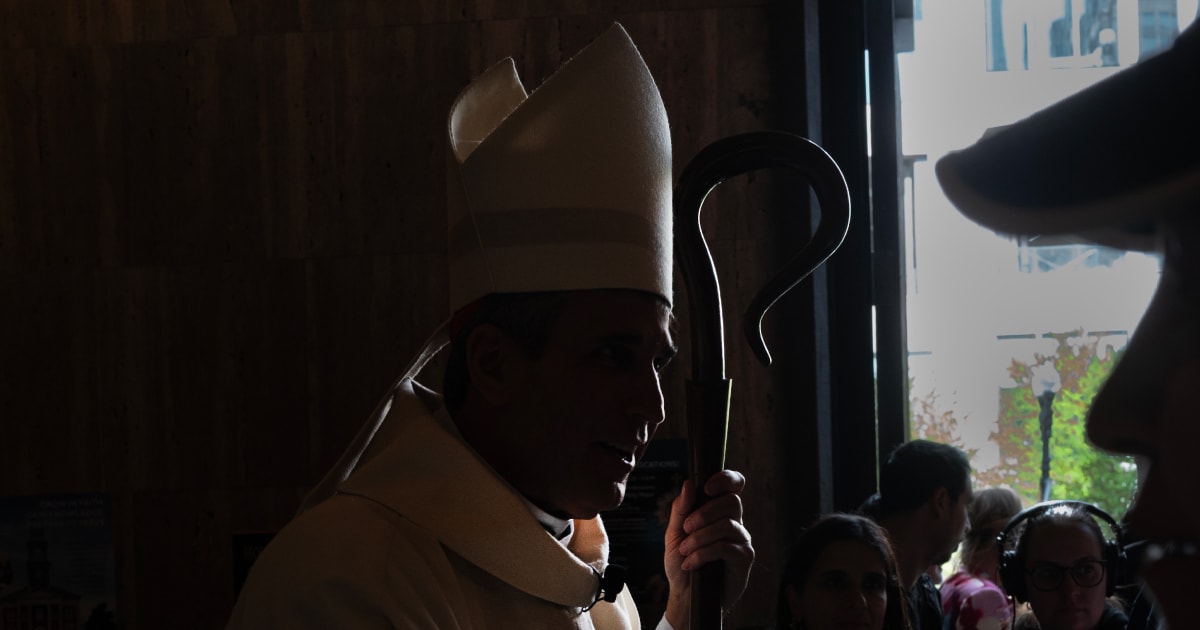
The Archdiocese of Chicago, which serves more than 2.2 million Catholics, currently has only a handful of men in formation for the priesthood, while the much smaller Diocese of Tyler in Texas, with just 121,000 Catholics, had 27 seminarians at its peak under bishop Joseph Strickland.

The striking contrast has been highlighted following recent vocational statistics and continues to fuel debate about the factors influencing priestly vocations in the United States. Chicago, Pope Leo XIV’s home town, is one of the largest archdioceses in the country and has struggled with declining numbers of seminarians for several years, while smaller, more traditional dioceses have seen notable growth.
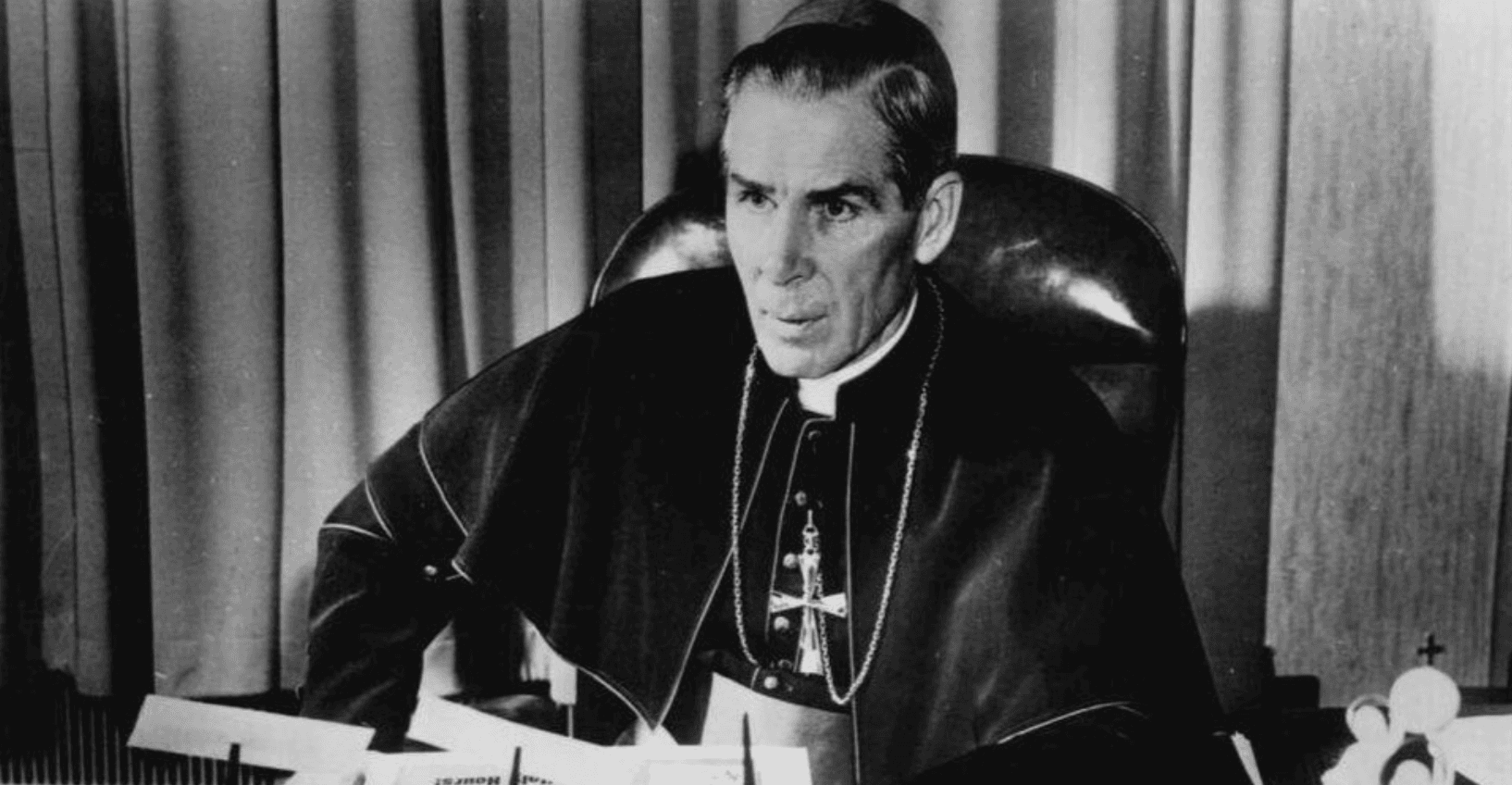
Bishop Joseph Strickland, who led the Diocese of Tyler until his removal in 2023, was known for his strong defence of traditional Catholic teaching and support for the Traditional Latin Mass. Under his leadership, the small East Texas diocese consistently produced one of the highest per capita rates of priestly vocations in the United States.

By comparison, the Archdiocese of Chicago under Cardinal Blase Cupich has promoted various initiatives aligned with the synodal process and has taken a restrictive approach to the Traditional Latin Mass following Traditionis Custodes. Chicago’s seminary numbers have remained persistently low despite the archdiocese’s vast Catholic population.

The pattern is not unique to Chicago. Similar trends have been observed in other large archdioceses led by more progressive bishops. In Germany, Bishop Georg Bätzing, president of the German Bishops’ Conference and a leading figure in the Synodal Way, reported in 2024 that his diocese of Limburg had ordained no priests in a given year for the first time since its creation in 1821 – a development widely linked by observers to the controversial direction of the German Church.

Catholic teaching holds that priestly vocations are a gift from God fostered by fidelity to the Church’s doctrine, the example of holy priests and a culture of prayer and sacrifice. Dioceses that maintain a strong commitment to doctrinal clarity, liturgical tradition and priestly formation have often seen more robust vocations – evidenced by the fact that the traditionalist seminaries of the Society of Saint Pius X and the Priestly Fraternity of Saint Peter are frequently oversubscribed – while those associated with doctrinal ambiguity or liturgical experimentation have frequently experienced sharp declines.

The Diocese of Tyler, despite its small size and rural character, became something of a model for vocation growth under Bishop Strickland, attracting young men drawn to its clear teaching and traditional liturgical life. Chicago, by contrast, continues to face significant challenges in attracting and retaining seminarians.

Continue reading with a free account

Create a free account to read up to five articles each month
Create free account

You have # free articles remaining this month.

Subscribe to get unlimited access.
Sign up

subscribe to the catholic herald today

Our best content is exclusively available to our subscribers. Subscribe today and gain instant access to expert analysis, in-depth articles, and thought-provoking insights—anytime, anywhere. Don’t miss out on the conversations that matter most.
Subscribe






