December 19, 2025
December 19, 2025

Chile’s very Catholic president-elect

Min read
share

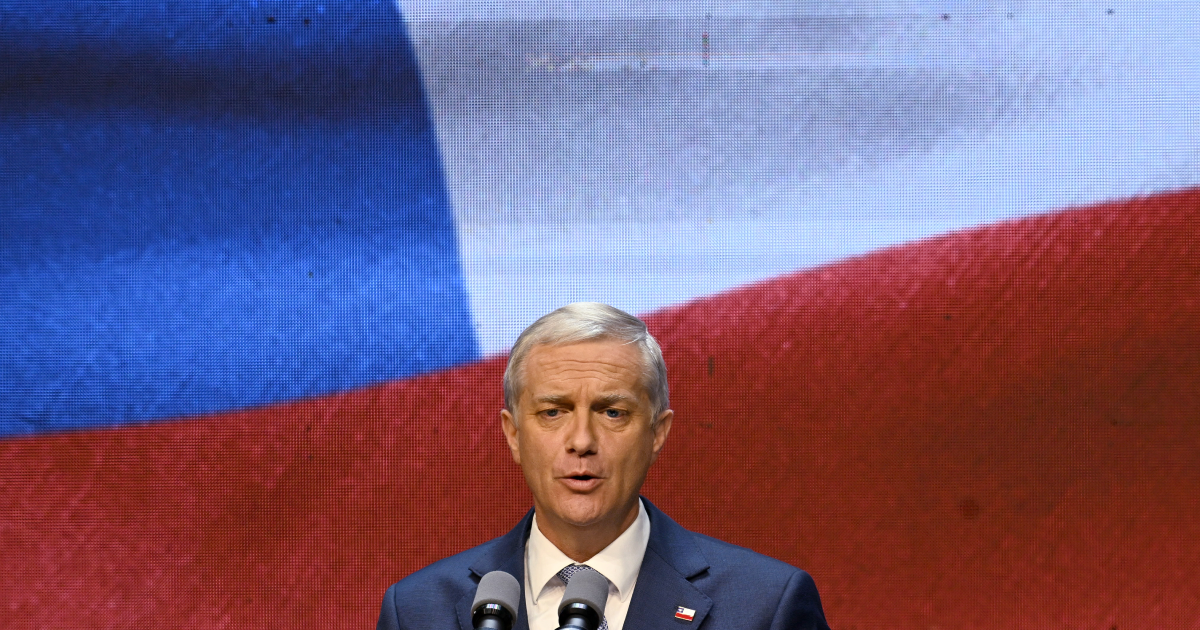
This week Chile elected the devout Catholic and father of nine José Antonio Kast to serve as the country’s 35th president. He will take office on 11 March 2026 after a decisive run off victory that has redrawn the country’s political map. He won the second round on 14 December with 58.16 per cent of the vote, defeating Jeannette Jara and reversing his first round placing a month earlier.

Kast framed the election as a national turning point, telling supporters in Santiago during his election speech: “It’s a special day. It’s a day that stays with us, a day that stands out among the different days when things happen. And this is a day of joy.” He added: “But nothing would be possible if we didn’t have God. And that’s something we can’t fail to acknowledge,” before praying that the Lord would give him “wisdom, temperance, and strength, to always be up to this challenge.”

He insisted the victory was not personal. “Here, a person didn’t win, a political party didn’t win; Chile won. The hope of living without fear won.” Promising a tougher approach to public order, he said: “We will restore respect for the law in all regions, without exceptions and without privileges.”

Kast belongs to the Schoenstatt Apostolic Movement. Founded in Germany in 1914 by Fr Joseph Kentenich, the movement emphasises spiritual renewal through Marian devotion. It has almost 100,000 members worldwide, including Cardinal Francisco Javier Errázuriz Ossa, Archbishop of Santiago, and other bishops across South America.

In April 1991 Kast married the lawyer María Pía Adriasola Barroilhet while studying law at the Pontifical Catholic University of Chile. The couple has nine children, including the elected deputy José Antonio Kast Adriasola, all of whom were raised in the Catholic faith. Kast is famously outspoken about his Catholic values, telling Chileans that “I am Catholic first, and then I am a politician.”

During the 1990s he practised law independently as a partner in the law firm Kast, Pinochet, De la Cuadra & Cía., which he founded in 1989 with Francisco Pinochet Cantwell, retiring from the partnership in 2002. He also served as a professor of civil and commercial law at the Institute of Economics of the Faculty of Economic and Administrative Sciences of the Catholic University, and sat on the board of the Jaime Guzmán Foundation, a think tank and pressure group close to neoliberalism and based on the thinking of the former senator.

Kast’s start in politics was his activity in the Law School’s student centre, where he met Jaime Guzmán, the influential conservative thinker who encouraged him to join the Independent Democratic Union. In 1996 he ran for mayor of Buin, south of the Santiago Metropolitan Region. He finished second, becoming a councillor and later serving as ceremonial mayor, holding the post until 2000.

Two years later he entered the Chamber of Deputies, beginning a long parliamentary career that helped make him a familiar figure on the national stage even when he was not leading a party. He was elected for District No. 30, which includes Buin, Calera de Tango, Paine and San Bernardo, and served from March 2002 until March 2014, before representing District No. 24 from March 2014 until March 2018.

That institutional rise was matched by an eventual institutional break. After years in the UDI, Kast resigned on 31 May 2016, in part to pursue presidential ambitions on his own terms. He stood as an independent in 2017, then built Republican Action as a platform and, in 2019, founded the Republican Party, which has since become the vehicle for his brand of conservatism, pro life politics and right wing anti globalism.

In November 2024 he was confirmed as the Republican Party candidate for the 2025 presidential election. During the presidential campaign, Kast de emphasised a moral and values based agenda in favour of security and migration, even while his Catholic identity and pro life commitments remained obvious to both supporters and critics. In 2017 the country legalised abortion in certain and very limited circumstances, generally before 12 weeks. With a 2022 attempt to widen access and the outgoing president Gabriel Boric supportive of abortion, Kast’s election is generally seen as a victory for the pro life movement.

Chile’s bishops have signalled that they intend to engage him with both encouragement and caution. The standing committee of the Chilean Bishops’ Conference congratulated the president elect, saying the nation had entrusted him with leadership “in times that demand clarity, generosity, and a profound commitment to the common good.” They spoke of hope for a “more just, fraternal, and supportive country,” and urged a climate of “dialogue, encounter, and respect” to rebuild social trust, while also voicing concern about “the growing denigration of migrants and vulnerable people” and entrusting him to Our Lady of Mount Carmel, patroness of Chile.

This week Chile elected the devout Catholic and father of nine José Antonio Kast to serve as the country’s 35th president. He will take office on 11 March 2026 after a decisive run off victory that has redrawn the country’s political map. He won the second round on 14 December with 58.16 per cent of the vote, defeating Jeannette Jara and reversing his first round placing a month earlier.

Kast framed the election as a national turning point, telling supporters in Santiago during his election speech: “It’s a special day. It’s a day that stays with us, a day that stands out among the different days when things happen. And this is a day of joy.” He added: “But nothing would be possible if we didn’t have God. And that’s something we can’t fail to acknowledge,” before praying that the Lord would give him “wisdom, temperance, and strength, to always be up to this challenge.”

He insisted the victory was not personal. “Here, a person didn’t win, a political party didn’t win; Chile won. The hope of living without fear won.” Promising a tougher approach to public order, he said: “We will restore respect for the law in all regions, without exceptions and without privileges.”

Kast belongs to the Schoenstatt Apostolic Movement. Founded in Germany in 1914 by Fr Joseph Kentenich, the movement emphasises spiritual renewal through Marian devotion. It has almost 100,000 members worldwide, including Cardinal Francisco Javier Errázuriz Ossa, Archbishop of Santiago, and other bishops across South America.

In April 1991 Kast married the lawyer María Pía Adriasola Barroilhet while studying law at the Pontifical Catholic University of Chile. The couple has nine children, including the elected deputy José Antonio Kast Adriasola, all of whom were raised in the Catholic faith. Kast is famously outspoken about his Catholic values, telling Chileans that “I am Catholic first, and then I am a politician.”

During the 1990s he practised law independently as a partner in the law firm Kast, Pinochet, De la Cuadra & Cía., which he founded in 1989 with Francisco Pinochet Cantwell, retiring from the partnership in 2002. He also served as a professor of civil and commercial law at the Institute of Economics of the Faculty of Economic and Administrative Sciences of the Catholic University, and sat on the board of the Jaime Guzmán Foundation, a think tank and pressure group close to neoliberalism and based on the thinking of the former senator.

Kast’s start in politics was his activity in the Law School’s student centre, where he met Jaime Guzmán, the influential conservative thinker who encouraged him to join the Independent Democratic Union. In 1996 he ran for mayor of Buin, south of the Santiago Metropolitan Region. He finished second, becoming a councillor and later serving as ceremonial mayor, holding the post until 2000.

Two years later he entered the Chamber of Deputies, beginning a long parliamentary career that helped make him a familiar figure on the national stage even when he was not leading a party. He was elected for District No. 30, which includes Buin, Calera de Tango, Paine and San Bernardo, and served from March 2002 until March 2014, before representing District No. 24 from March 2014 until March 2018.

That institutional rise was matched by an eventual institutional break. After years in the UDI, Kast resigned on 31 May 2016, in part to pursue presidential ambitions on his own terms. He stood as an independent in 2017, then built Republican Action as a platform and, in 2019, founded the Republican Party, which has since become the vehicle for his brand of conservatism, pro life politics and right wing anti globalism.

In November 2024 he was confirmed as the Republican Party candidate for the 2025 presidential election. During the presidential campaign, Kast de emphasised a moral and values based agenda in favour of security and migration, even while his Catholic identity and pro life commitments remained obvious to both supporters and critics. In 2017 the country legalised abortion in certain and very limited circumstances, generally before 12 weeks. With a 2022 attempt to widen access and the outgoing president Gabriel Boric supportive of abortion, Kast’s election is generally seen as a victory for the pro life movement.

Chile’s bishops have signalled that they intend to engage him with both encouragement and caution. The standing committee of the Chilean Bishops’ Conference congratulated the president elect, saying the nation had entrusted him with leadership “in times that demand clarity, generosity, and a profound commitment to the common good.” They spoke of hope for a “more just, fraternal, and supportive country,” and urged a climate of “dialogue, encounter, and respect” to rebuild social trust, while also voicing concern about “the growing denigration of migrants and vulnerable people” and entrusting him to Our Lady of Mount Carmel, patroness of Chile.
share

subscribe to the catholic herald today

Our best content is exclusively available to our subscribers. Subscribe today and gain instant access to expert analysis, in-depth articles, and thought-provoking insights—anytime, anywhere. Don’t miss out on the conversations that matter most.
Subscribe