
February 1, 2026
February 1, 2026

Should Queen Isabella I of Castile be canonised?

Min read
share

Cardinal Carlos Aguiar Retes, Archbishop of Mexico City and Primate of Mexico, has publicly defended the cause for the beatification of Queen Isabella I of Castile during a formal visit to Spain.

Speaking in Valladolid during a meeting with the diocesan commission overseeing the cause, Cardinal Aguiar said that sustained historical and spiritual study had led him to a firm conviction about the personal sanctity of the Spanish queen and the importance of making her legacy better understood. “We want the essential facts of her life and spirituality to be known,” he said, stressing that the process required time, seriousness and balance rather than polemic or nostalgia.

The Mexican cardinal highlighted in particular Isabella’s Royal Decree of 1503, which stated that the indigenous peoples of the newly encountered territories in the Americas were to enjoy the same rights as subjects of the Spanish Crown. He described the decree as “an extraordinary position for its time”, arguing that it reflected a deeper moral vision rooted in Christian anthropology rather than political expediency.

The meeting in Valladolid brought together senior figures from the Spanish and Mexican Churches. Cardinal Aguiar was received by Archbishop Luis Argüello García, who is also president of the Spanish Bishops’ Conference, alongside members of the commission for Isabella’s cause. The gathering was held at the Archdiocese of Valladolid’s spirituality centre and was described by participants as both cordial and substantive.

Archbishop Argüello said that Isabella’s life was marked by fidelity to Christ and the Church’s missionary mandate, which in turn shaped her political vision and her concern for unity rooted in shared faith. The Valladolid visit also formed part of the Intercontinental Guadalupan Novena, an initiative launched in 2022 to promote devotion to Our Lady of Guadalupe while encouraging renewed reflection on evangelisation and social renewal across the Ibero-American world.

The renewed discussion around Queen Isabella I of Castile goes beyond the argument of whether a fifteenth-century monarch merits canonisation and raises, more importantly for Catholics today, the question of how the modern Church will judge her sanctity by today’s standards. Queen Isabella’s cause exposes whether sanctity is to be recognised primarily through heroic Catholic piety as traditionally understood, or through moral actions that appear striking even by modern standards.

It is striking that, even more than five hundred years after her death, we are still debating whether she deserves her cause to be examined seriously in the modern Church. Anyone who has read about the foundations of Spain and the growth of the Catholic faith across Europe and the Americas would know that this conversation about her canonisation has been long overdue.

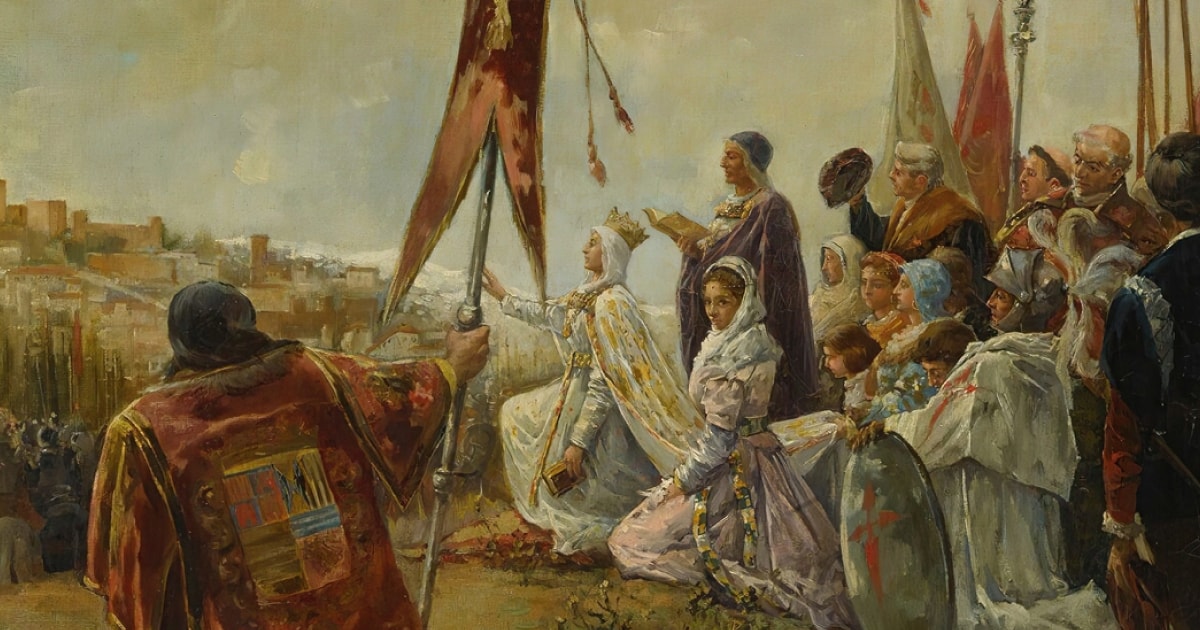
Queen Isabella was formally named Catholic Queen of Spain in 1496, when Pope Alexander VI conferred on her and Ferdinand II the title Reyes Católicos de las Españas. This was not a decorative honour. It was an ecclesial judgement that her rule, taken as a whole, embodied a distinctively Catholic vision of authority. Queen Isabella governed in an age before democratic legitimacy, human rights language or religious pluralism, yet she understood power as a vocation ordered to the salvation of souls.

The recent interventions by Cardinal Aguiar Retes draw attention to one particular strand of Isabella’s legacy: her insistence that the indigenous peoples of the newly encountered Americas were to be treated as subjects of the Crown, not as property. The Royal Decree of 1503, affirming their legal equality with Spaniards, stands out sharply against the brutal norms of early modern conquest. This argument about sanctity resonates strongly, as seen in Cardinal Reyes’ intervention, in that it shows contemporary ecclesial support resisting the moral blindness of its age.

There is an irony in this. Isabella’s cause in the modern era has increasingly been defended not by appealing first to her sacramental devotion or fidelity to Catholic orthodoxy, but by stressing her refusal, at key moments, to conform to the political assumptions of her time. This is a language the modern Dicastery for the Causes of Saints is more comfortable speaking, rather than something triumphalist. It would seem that the Dicastery is more alert to historical injustice and moral dissent from prevailing norms as persuasive arguments for sainthood than to traditional accounts of virtue. This indefinitely flattens Queen Isabella into a proto-liberal figure, rather than recognising her as a profoundly medieval Catholic ruler whose actions flowed from theological convictions.

To understand Isabella properly, one has to look at the coherence of her rule. She believed authority imposed obligations. She taught her children that their royal status demanded sacrifice, discipline and moral seriousness. During the mutiny at the Alcázar of Segovia in 1476, when a furious crowd threatened the safety of her household and eldest daughter, Isabella acted with a combination of courage and political prudence that defined her reign. With minimal protection, she rode through the night to confront the rebels in person, refusing advice to remain safe. She listened to their grievances, judged them, and upheld her appointed warden despite intense pressure. From that moment, Segovia’s loyalty was secured not by force but by moral authority.

Her governance as a traditional benevolent monarch inspired later ideas of noblesse oblige and set a standard for other Catholic rulers: that power was not merely coercive but rested on personal accountability before God and people. The same instinct shaped her response to Christopher Columbus. When reports reached her that indigenous people had been distributed as slaves by the Admiral without royal consent, her reaction, recorded by Bartolomé de las Casas, was one of unmistakable moral outrage. “What power does the Admiral have to give my vassals to anyone?” she demanded. She ordered the immediate return of enslaved natives to the Indies, under severe penalties for non-compliance.

Such actions did not emerge from a modern Enlightenment rights-based framework. They arose from medieval Catholic thought. Isabella believed that baptism, evangelisation and just governance were inseparable. That same conviction also underpinned decisions that will trouble any progressive reader, such as the institutionalisation of the Inquisition and the policy of religious unification following Muslim uprisings. These measures were severe, but they were pursued within a worldview that identified religious truth with social cohesion and salvation with political stability.

Canonisation does not require modern perfection, still less political success. Isabella’s personal piety and her role in laying foundations that would later enable the Counter-Reformation point to a ruler who understood herself as accountable to Christ. Even her burial, in a simple tomb at Granada in accordance with her wishes, reflected a consciousness of judgement beyond earthly glory.

If her cause advances, it should not be because she anticipated modern liberal values, but because she strove, often at personal cost, to rule as a Christian.

Cardinal Carlos Aguiar Retes, Archbishop of Mexico City and Primate of Mexico, has publicly defended the cause for the beatification of Queen Isabella I of Castile during a formal visit to Spain.

Speaking in Valladolid during a meeting with the diocesan commission overseeing the cause, Cardinal Aguiar said that sustained historical and spiritual study had led him to a firm conviction about the personal sanctity of the Spanish queen and the importance of making her legacy better understood. “We want the essential facts of her life and spirituality to be known,” he said, stressing that the process required time, seriousness and balance rather than polemic or nostalgia.
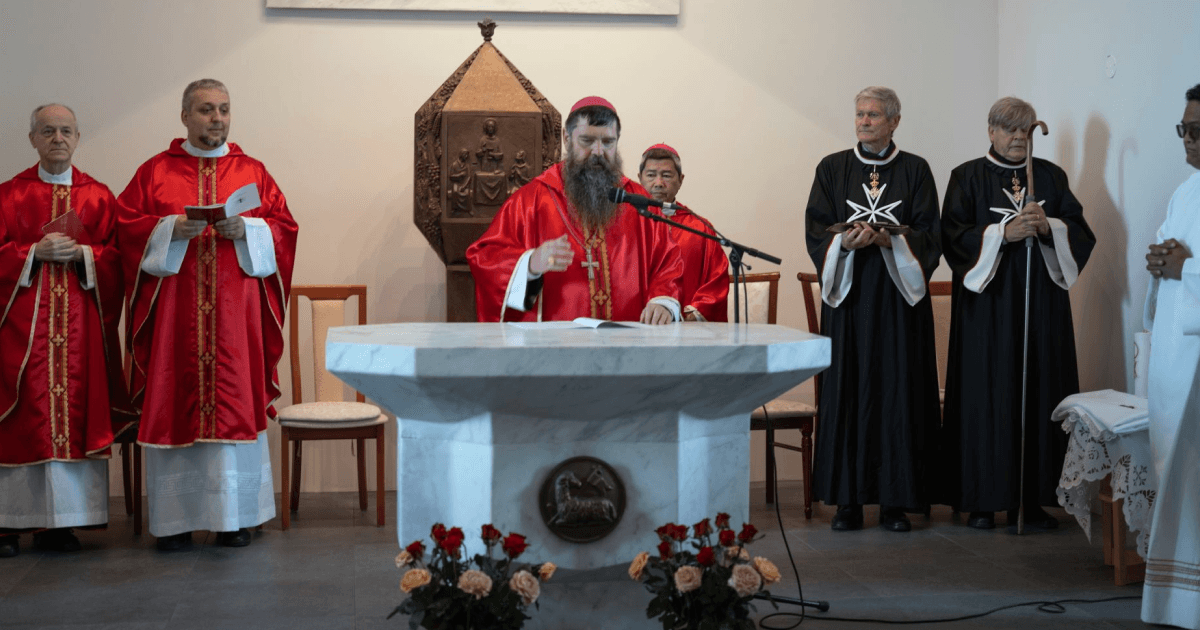
The Mexican cardinal highlighted in particular Isabella’s Royal Decree of 1503, which stated that the indigenous peoples of the newly encountered territories in the Americas were to enjoy the same rights as subjects of the Spanish Crown. He described the decree as “an extraordinary position for its time”, arguing that it reflected a deeper moral vision rooted in Christian anthropology rather than political expediency.

The meeting in Valladolid brought together senior figures from the Spanish and Mexican Churches. Cardinal Aguiar was received by Archbishop Luis Argüello García, who is also president of the Spanish Bishops’ Conference, alongside members of the commission for Isabella’s cause. The gathering was held at the Archdiocese of Valladolid’s spirituality centre and was described by participants as both cordial and substantive.

Archbishop Argüello said that Isabella’s life was marked by fidelity to Christ and the Church’s missionary mandate, which in turn shaped her political vision and her concern for unity rooted in shared faith. The Valladolid visit also formed part of the Intercontinental Guadalupan Novena, an initiative launched in 2022 to promote devotion to Our Lady of Guadalupe while encouraging renewed reflection on evangelisation and social renewal across the Ibero-American world.

The renewed discussion around Queen Isabella I of Castile goes beyond the argument of whether a fifteenth-century monarch merits canonisation and raises, more importantly for Catholics today, the question of how the modern Church will judge her sanctity by today’s standards. Queen Isabella’s cause exposes whether sanctity is to be recognised primarily through heroic Catholic piety as traditionally understood, or through moral actions that appear striking even by modern standards.

It is striking that, even more than five hundred years after her death, we are still debating whether she deserves her cause to be examined seriously in the modern Church. Anyone who has read about the foundations of Spain and the growth of the Catholic faith across Europe and the Americas would know that this conversation about her canonisation has been long overdue.

Queen Isabella was formally named Catholic Queen of Spain in 1496, when Pope Alexander VI conferred on her and Ferdinand II the title Reyes Católicos de las Españas. This was not a decorative honour. It was an ecclesial judgement that her rule, taken as a whole, embodied a distinctively Catholic vision of authority. Queen Isabella governed in an age before democratic legitimacy, human rights language or religious pluralism, yet she understood power as a vocation ordered to the salvation of souls.

The recent interventions by Cardinal Aguiar Retes draw attention to one particular strand of Isabella’s legacy: her insistence that the indigenous peoples of the newly encountered Americas were to be treated as subjects of the Crown, not as property. The Royal Decree of 1503, affirming their legal equality with Spaniards, stands out sharply against the brutal norms of early modern conquest. This argument about sanctity resonates strongly, as seen in Cardinal Reyes’ intervention, in that it shows contemporary ecclesial support resisting the moral blindness of its age.

There is an irony in this. Isabella’s cause in the modern era has increasingly been defended not by appealing first to her sacramental devotion or fidelity to Catholic orthodoxy, but by stressing her refusal, at key moments, to conform to the political assumptions of her time. This is a language the modern Dicastery for the Causes of Saints is more comfortable speaking, rather than something triumphalist. It would seem that the Dicastery is more alert to historical injustice and moral dissent from prevailing norms as persuasive arguments for sainthood than to traditional accounts of virtue. This indefinitely flattens Queen Isabella into a proto-liberal figure, rather than recognising her as a profoundly medieval Catholic ruler whose actions flowed from theological convictions.

To understand Isabella properly, one has to look at the coherence of her rule. She believed authority imposed obligations. She taught her children that their royal status demanded sacrifice, discipline and moral seriousness. During the mutiny at the Alcázar of Segovia in 1476, when a furious crowd threatened the safety of her household and eldest daughter, Isabella acted with a combination of courage and political prudence that defined her reign. With minimal protection, she rode through the night to confront the rebels in person, refusing advice to remain safe. She listened to their grievances, judged them, and upheld her appointed warden despite intense pressure. From that moment, Segovia’s loyalty was secured not by force but by moral authority.

Her governance as a traditional benevolent monarch inspired later ideas of noblesse oblige and set a standard for other Catholic rulers: that power was not merely coercive but rested on personal accountability before God and people. The same instinct shaped her response to Christopher Columbus. When reports reached her that indigenous people had been distributed as slaves by the Admiral without royal consent, her reaction, recorded by Bartolomé de las Casas, was one of unmistakable moral outrage. “What power does the Admiral have to give my vassals to anyone?” she demanded. She ordered the immediate return of enslaved natives to the Indies, under severe penalties for non-compliance.

Such actions did not emerge from a modern Enlightenment rights-based framework. They arose from medieval Catholic thought. Isabella believed that baptism, evangelisation and just governance were inseparable. That same conviction also underpinned decisions that will trouble any progressive reader, such as the institutionalisation of the Inquisition and the policy of religious unification following Muslim uprisings. These measures were severe, but they were pursued within a worldview that identified religious truth with social cohesion and salvation with political stability.

Canonisation does not require modern perfection, still less political success. Isabella’s personal piety and her role in laying foundations that would later enable the Counter-Reformation point to a ruler who understood herself as accountable to Christ. Even her burial, in a simple tomb at Granada in accordance with her wishes, reflected a consciousness of judgement beyond earthly glory.

If her cause advances, it should not be because she anticipated modern liberal values, but because she strove, often at personal cost, to rule as a Christian.

subscribe to
the catholic herald

Continue reading your article with a subscription.
Read 5 articles with our free plan.
Subscribe
share

subscribe to the catholic herald today

Our best content is exclusively available to our subscribers. Subscribe today and gain instant access to expert analysis, in-depth articles, and thought-provoking insights—anytime, anywhere. Don’t miss out on the conversations that matter most.
Subscribe