
April 20, 2026

China steps up pressure on underground Catholics, rights group says

James Bradbury
More
Related
Min read
share

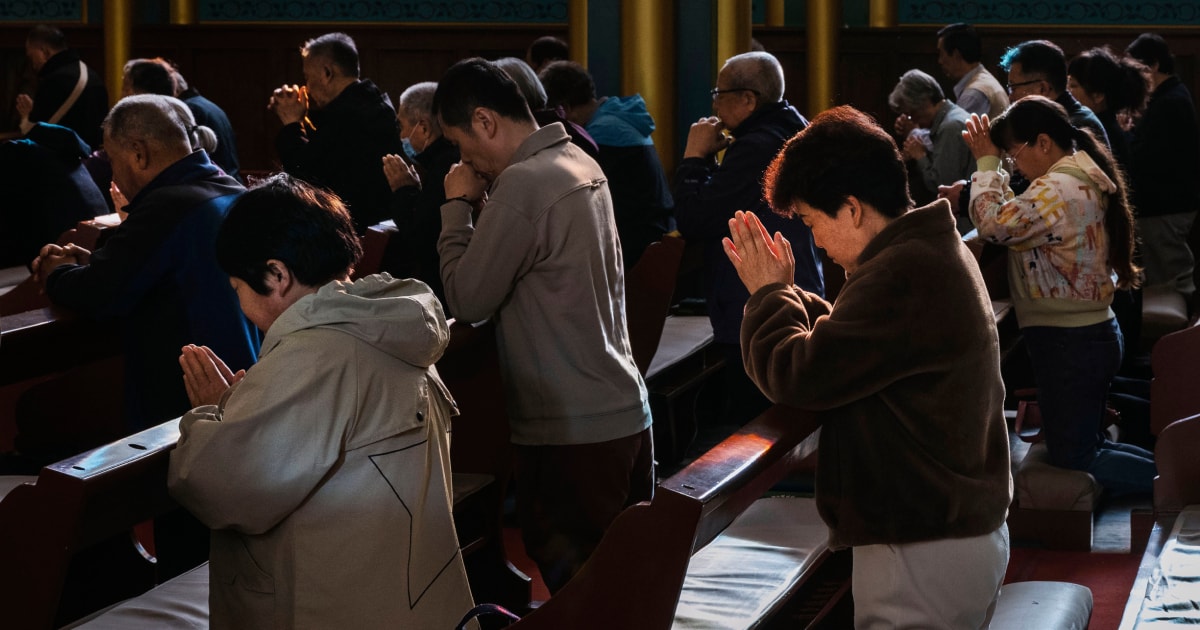
A new human-rights report has renewed scrutiny of the position of China’s underground Catholics, alleging that state authorities are using the country’s political and legal machinery to force clergy and faithful into the government-approved Church. Human Rights Watch says the pressure has grown sharper under President Xi Jinping’s policy of “Sinicization”, with the result that many Chinese Catholics now face a stark choice between compliance and continued persecution.

The report, published on 15 April, argues that the 2018 agreement between the Holy See and Beijing has not eased life for those Catholics who have remained outside official structures. Instead, it says, the accord has been used as a framework within which local officials can insist that underground communities regularise their status by joining the state-backed Church. Human Rights Watch said its findings were based on interviews with nine people living outside China who had direct knowledge of Catholic life inside the country.
Witnesses cited in the report said many believers now feel they are left with little practical alternative but to enter the official Church, while others who have resisted say they feel abandoned by Rome. The organisation contends that the result is not reconciliation but a more systematic effort to erode the independence of underground Catholic communities.

Human Rights Watch also drew attention to the treatment of bishops and priests who refuse to conform. It pointed to cases of detention, forced disappearance and continuing harassment, and also referred to recent restrictions preventing Catholic clergy from teaching or evangelising online. One testimony quoted in the report described a priest who, even after release from detention, was allegedly denied access to ordinary civil necessities such as bank accounts, a SIM card and a passport.

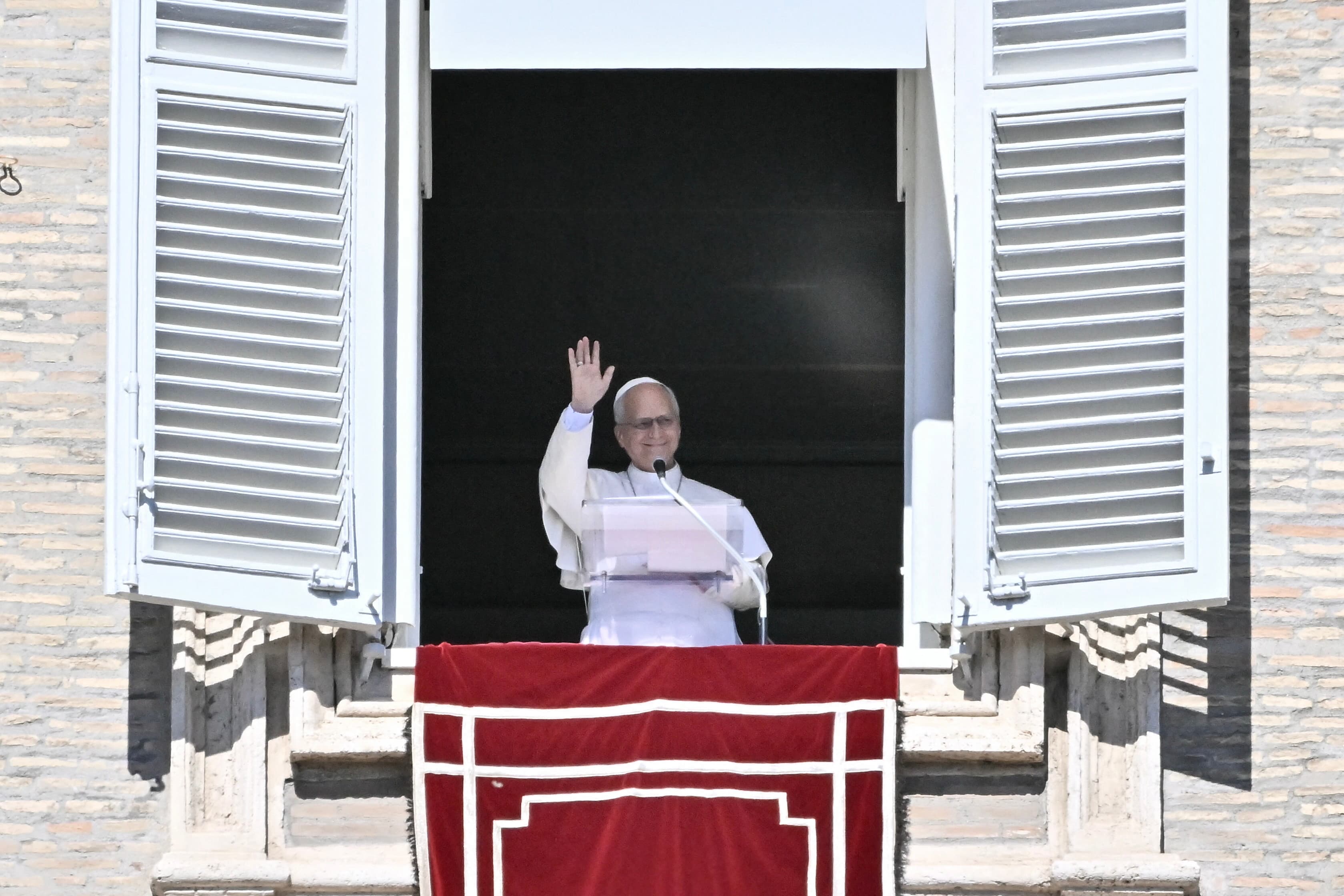
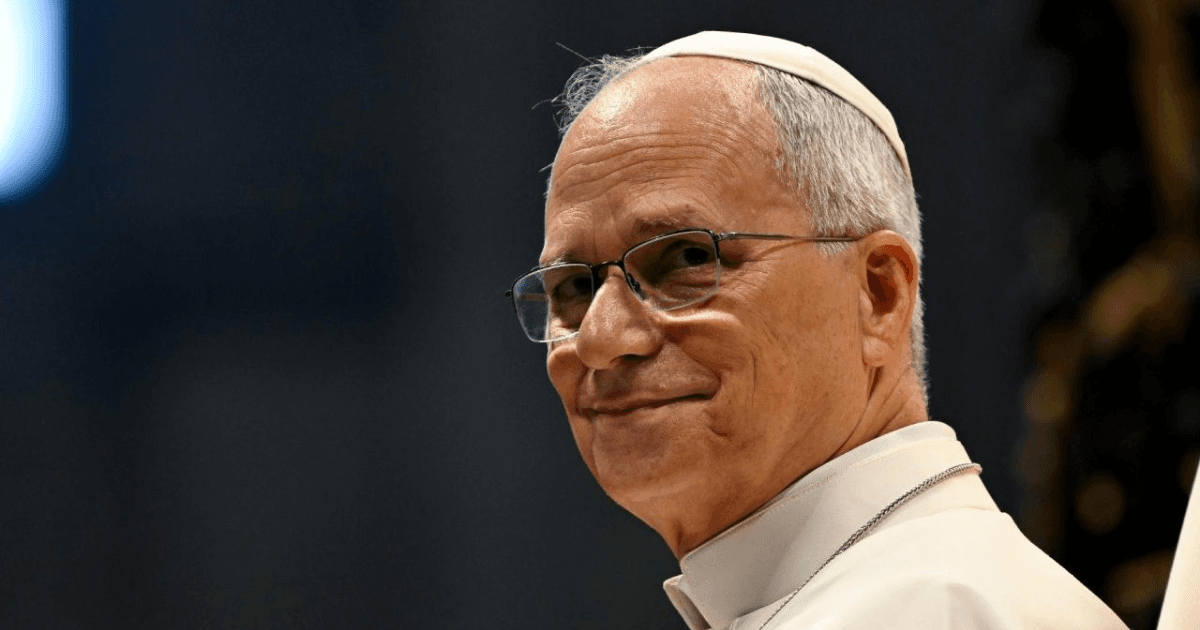
Yalkun Uluyol, a China researcher at Human Rights Watch, said that repression had worsened despite the passage of years since the Vatican-China accord. He urged Pope Leo XIV to re-examine the agreement and to press the Chinese authorities to end what he described as intimidation and persecution directed at underground clergy and worshippers.

Further criticism came from Nina Shea of the Hudson Institute, who told EWTN News that the Vatican’s recent policy towards the Church in China had been deeply damaging. She said bishops loyal to Rome had faced disappearance, indefinite detention and threats if they refused to place political allegiance to the Chinese Communist Party above ecclesial fidelity. Shea also called for a renewed prayer effort for missing and detained Chinese bishops.

She linked that appeal to the World Day of Prayer for the Church in China, established by Benedict XVI for 24 May, arguing that it has faded from view in recent years. Her suggestion was that a renewed observance would offer a visible expression of solidarity with Chinese Catholics who continue to suffer under severe restrictions.

The report is unlikely to settle the wider debate over Vatican policy towards Beijing. It does, however, underline a central complaint long voiced by critics of the deal: that whatever diplomatic rationale may have supported the agreement, many of those most vulnerable on the ground believe the pressure on the underground Church has not lessened, but intensified.

Continue reading with a free account

Create a free account to read up to five articles each month
Create free account

You have # free articles remaining this month.

Subscribe to get unlimited access.
Sign up

subscribe to the catholic herald today

Our best content is exclusively available to our subscribers. Subscribe today and gain instant access to expert analysis, in-depth articles, and thought-provoking insights—anytime, anywhere. Don’t miss out on the conversations that matter most.
Subscribe