

Benjamin Britten was one of those composers whose religious leanings were unclear; and as a gay man in mid-20th Century England, he had few reasons to love a Church that showed little sign of loving him.
But he nonetheless produced quantities of music for church performance, much of it significant. And his stage works had an interesting habit of "Christianising" non-Christian stories – an example being Curlew River which played in this summer’s 75th edition of the Aldeburgh Festival.
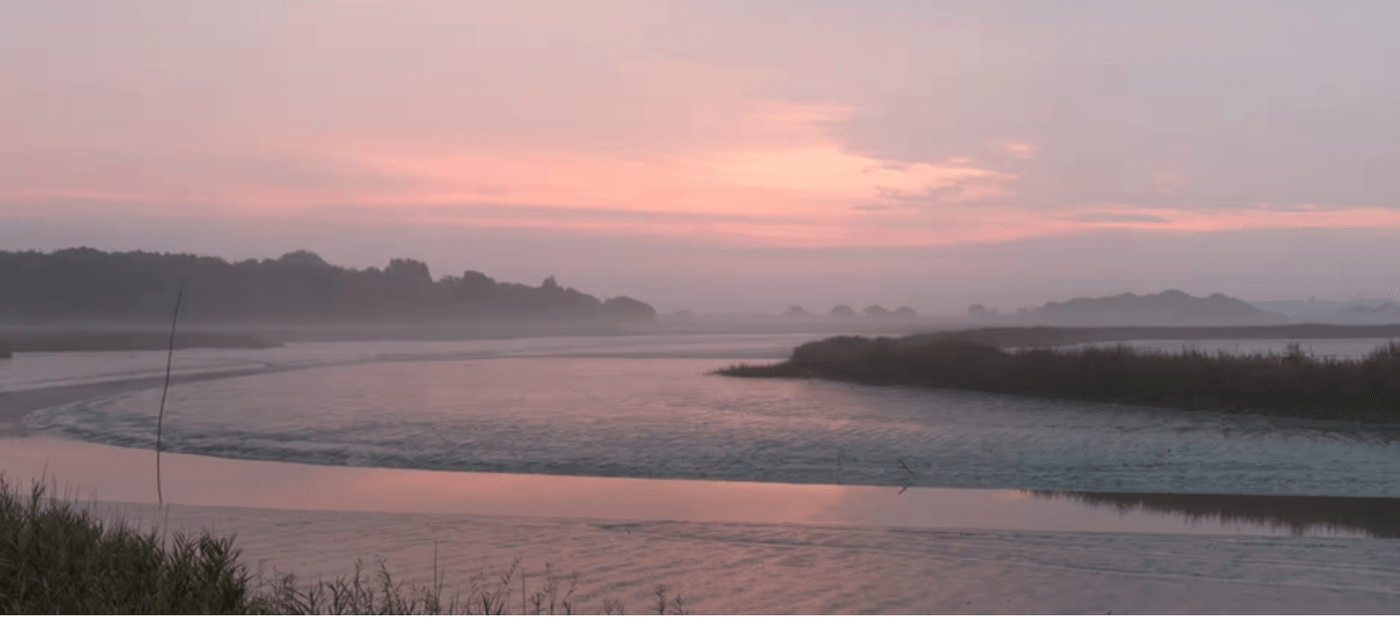
Written in 1964, Curlew River was the first of Britten’s so-called Church Parables: short operas written for performance not in theatres but in sacred spaces, and designed for staging in the austere, ritualised manner of a liturgical drama enacted by some monastic community.
With music that grows out of plainsong, they feel ancient, timeless (in a 1960s sort of way). And Curlew River has the added resonance of being based on a Japanese Noh play whose slow-moving intensity had impressed Britten when he first encountered it on a trip to Asia.