August 31, 2026

Dolly Parton’s lesson in using talent and treasure

Christine Rousselle
More
Related
Min read
share

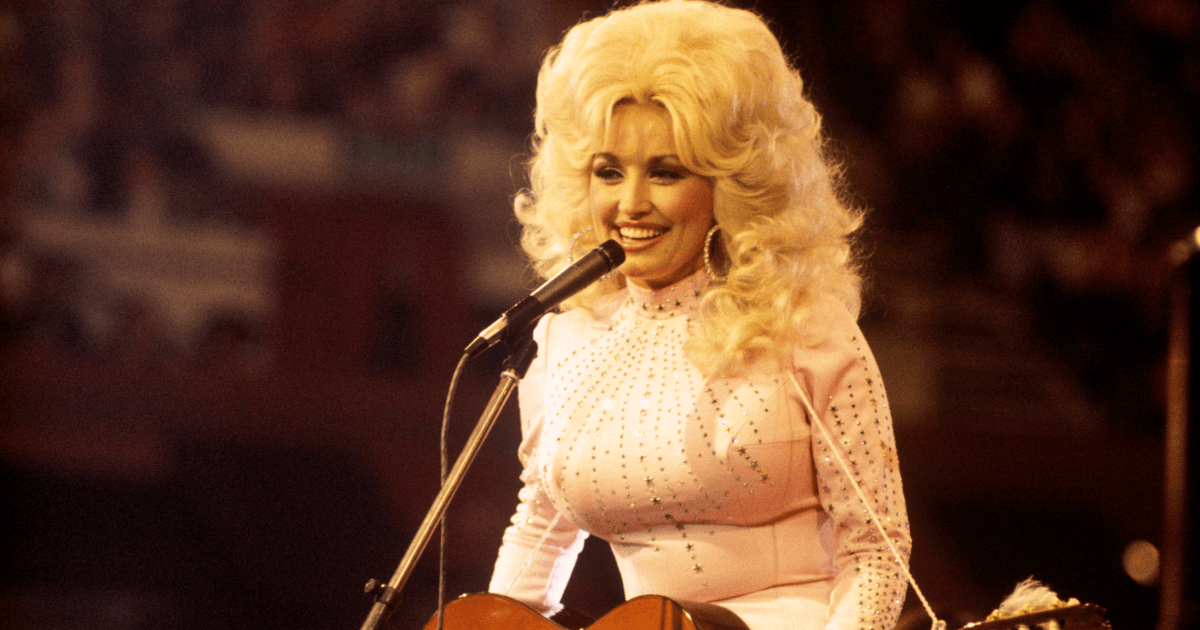
Dolly Rebecca Parton Dean died on Tuesday, August 25, at the age of 80, and the world got a little bit dimmer.

I’ll be honest: I was initially unsure of an angle that would be relevant for the Catholic Herald’s audience. So I turned to Google. Had she perhaps met Pope Leo during the past year? Nope.

Pope Francis? She had not.

Surely she had met Pope St John Paul II? Apparently the granddaughter of a Pentecostal preacher had been the only megastar not to have an audience or photo-op with him during his 26-year papacy.
So, having struck out on an explicitly Catholic angle on the death of Dolly Parton, I started thinking about her incredible life story. Born in a cabin to a family that was so poor the doctor was paid in cornmeal, Dolly grew up in a house with no heat, electricity or running water. Her mother famously made her a coat out of rags. Despite this extreme poverty, Dolly described her childhood as “rich in love”.

And somehow, that little girl wearing repurposed rags grew up to be one of, if not the, most beloved figures of the modern era. Her passing was mourned by figures as diverse as President Donald Trump and the Democratic Socialists of America. Save for a few woke scolds who complained that Dolly had not been vocal enough on their issue of choice, it seemed as though everyone had something kind to say about her.

Dolly Parton was over-the-top in everything she did – even beyond the obvious of her rhinestones, wigs, outfits and shoes. It is precisely this over-the-top attitude that Catholics should look to emulate.

Dolly was proud of where she came from, and it was this pride that inspired her most notable acts of charity.

Dolly’s father, a sharecropper, was illiterate – and his story was hardly unique to their community. By the early 1990s, Dolly’s high school alma mater, Sevier County High School, saw about one out of three students drop out before graduation.

To help fix this, Dolly created the “Buddy Program”, which would reward pairs of Sevier County middle school students with $500 each if they both graduated from high school. Students signed a notarised pledge to each other and to Dolly herself that they would get through school together.

It worked. The drop-out rate fell to about 6 per cent. Even though that specific programme was only for two graduating classes, its legacy has continued. As of 2025, 95.8 per cent of Sevier County high schoolers graduate.

Inspired by her father’s illiteracy, Dolly started the “Imagination Library” in 1995, hoping to inspire a love of reading in the children of Sevier County. The programme would send a free, quality children’s book each month of a child’s life from birth until age five, regardless of the family’s income. Within five years, the programme had spread throughout the United States, and in less than a decade, over one million books had been distributed to children. By 2022, Imagination Library was distributing two million books each month around the world. About one in every six American children receives books each month from Imagination Library.

She also was able to use her fame to create jobs for Sevier County. In 1986, Dolly became co-owner of an amusement park in Pigeon Forge, Tennessee, rechristening it “Dollywood”. Dollywood, featuring replicas of Dolly’s childhood home and a one-room schoolhouse typical of the area tucked in around thrill rides and play areas, is a love letter to the culture in which she was raised and that she called home.

Today, Dollywood’s impact on Sevier County cannot be understated. It is the top tourist attraction in the state and, according to the state’s government, is responsible for more than 23,000 jobs. Dollywood itself is the county’s largest employer, and the theme park has an economic impact of about US$2 billion.

Dolly was not preachy, but she did make her faith known. She fondly recounted singing in church as a child with her family; Dollywood holds weekly church services for guests in a chapel on site; and her songs were a reflection of her deeply held beliefs.

Notably, in 2024, when negotiating a duet with Sabrina Carpenter, Dolly requested that a change be made to the lyrics of the song “Please Please Please”, which included an explicit word in the chorus.

“I told her, I said, now, I don’t cuss. I don’t make fun of Jesus. I don’t talk bad about God,” she told Carpenter at the time. Carpenter, who has not exactly been the biggest proponent of respecting religions, agreed and changed the line to “don’t embarrass me like the others”.

Now, some of the efforts to effectively canonise Dolly Parton have trended a bit to the extreme, sure. And I don’t think Dolly herself would approve of them, Pentecostal attitudes towards saints aside.

But it cannot be denied that she had a strong faith, a big heart and a true love of her family and where she came from.

As Catholics, we should look to Dolly Parton as an example of what to do when God has blessed us with talent and treasure, and what to do during lean times as well. Dolly was blessed with an incredible singing voice and songwriting talent, and was loved the world over. But it’s how she spread her blessings on to the people and community that loved her first that makes her truly remarkable.

Continue reading with a free account

Create a free account to read up to five articles each month
Create free account

You have # free articles remaining this month.

Subscribe to get unlimited access.
Sign up

subscribe to the catholic herald today

Our best content is exclusively available to our subscribers. Subscribe today and gain instant access to expert analysis, in-depth articles, and thought-provoking insights—anytime, anywhere. Don’t miss out on the conversations that matter most.
Subscribe