




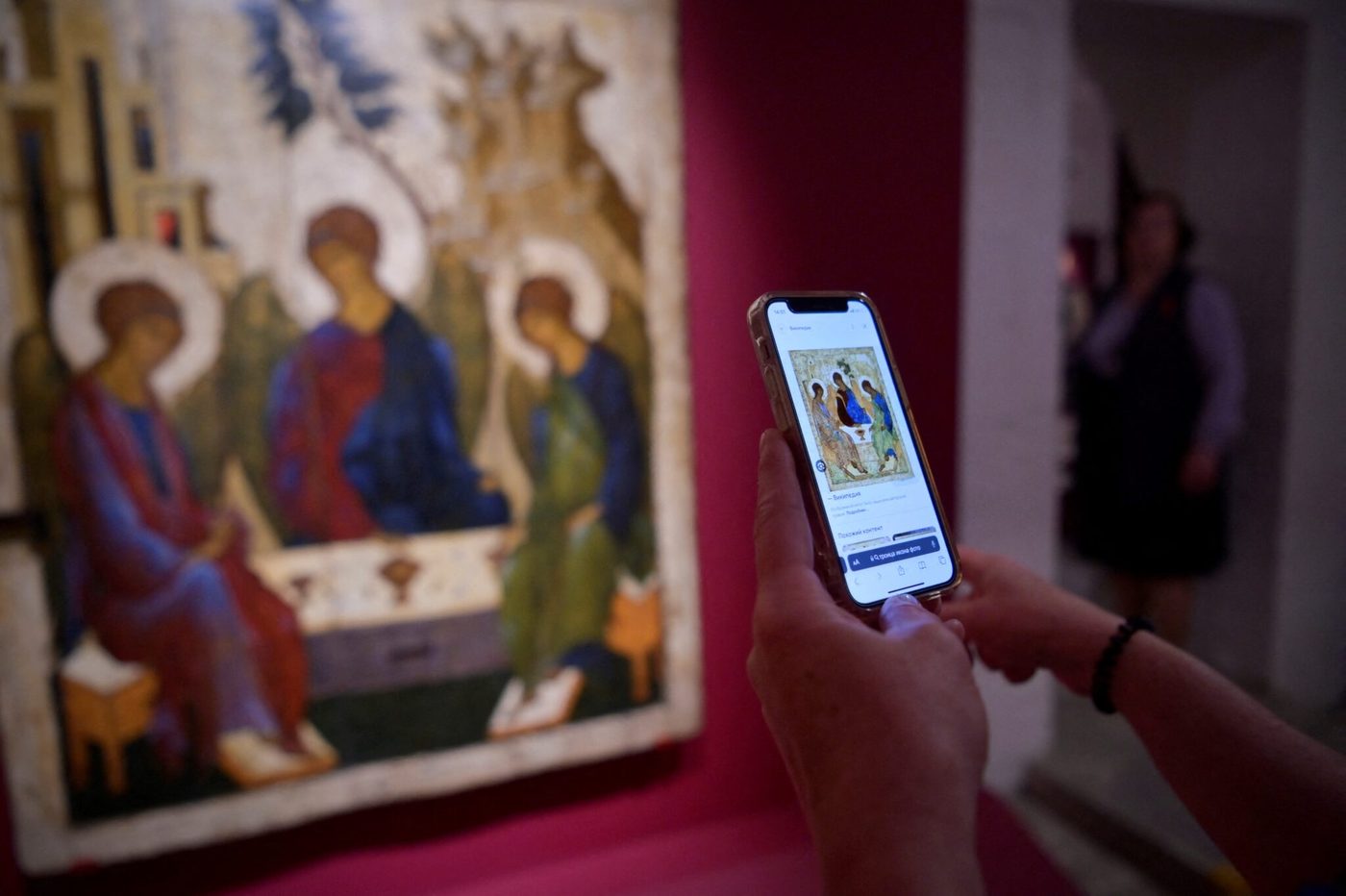
“Baptise them in the name of the Father and of the Son and of the Holy Spirit” (Matthew 28:19). Jesus reveals that God is one and has only one name, but is three divine persons, all of whom are included in that single name: Father, Son and Spirit. But does it really matter if God is a Trinity? Since we are all made in the image of God (Genesis 1:27), knowing who God is does indeed matter for each one of us.
If we thought God was just one divine person, as the Old Testament suggests, then his creation could have had a different motive: perhaps God created us because he was lonely and did not have anyone who might love him and be loved by him. And so if we are made in the image of this “lonely” God, then we too could be tempted to “create” someone who might love us and be loved by us.
In other words, our relationships would not be about receiving others, and giving ourselves, as equals and as free gifts. We could feel the obligation in some way to “manufacture” someone to love us and to accept our love, someone who would never be our equal but only ever our instrument.
Whether realising it or not, we often do love according to these false images of God and of ourselves. We can think of ourselves as God’s instruments rather than his children; we can instrumentalise others because we fear loneliness, and even turn ourselves into objects simply to please others.
But if we are deeply aware that God is Trinity, then we realise that God created us simply to share his love, not to facilitate it; we then see others and ourselves as equals and as gifts, made in the image of the Father, Son and Spirit.
There is another dimension: the differences between Father, Son and Spirit are not simply like the differences between three people. The differences in God are more like the differences between members of a family: each one is different because of the relationships between them. For instance, a father is only a father once he has a child – before that point he is just a man – so his identity comes from his relationships with his wife and child.
This is a dim reflection of God: the Father, Son and Spirit each get their identity from their relationships with each other. In other words, a full description of each divine person always includes the other two divine persons as well: the Father eternally gives forth the Son and, with the Son, breathes forth the Spirit; the Son is eternally given forth by the Father and, with him, breathes forth the Spirit; the Spirit is eternally breathed forth by the Father with the Son.
You cannot properly describe a divine person without referring to the other two divine persons; just as you cannot really describe a member of a family (father, mother or child) without referring to the other two members.
We will never fully grasp the mystery of the Trinity; so let’s give thanks that enough of it has been revealed to us so we can realise our true identity lies not in isolation but in loving relationships with God and each other, always relying on his grace and mercy.
9:00 AM
Father, Son and Spirit: knowing God really matters if we are to know who we truly are
Fr David Howell

3 min read



Already a subscriber? Sign in
5freearticles every month
Continue reading with a free account. No card needed.
- Five free articles every thirty days, on any device you sign in on
- The Catholic Herald newsletter, every morning
- Subscribe whenever you like for everything: every article and the magazine

subscribe to the catholic herald today
Our best content is exclusively available to our subscribers. Subscribe today and gain instant access to expert analysis, in-depth articles, and thought-provoking insights—anytime, anywhere. Don’t miss out on the conversations that matter most.
Subscribe



