January 5, 2026
January 3, 2026

Fidelity unto death: 600 Catholic missionaries killed in 25 years

Min read
share

According to figures compiled by the Vatican’s mission agency Fides, seventeen Catholic missionaries and pastoral workers were killed worldwide in 2025 alone. Among them were ten priests, two seminarians, two catechists, two religious sisters, and one layman. The number marked a modest increase on the previous year, when fourteen were killed. Taken over a longer horizon, the scale becomes harder to ignore: from 2000 to 2025, no fewer than 626 missionaries and pastoral workers lost their lives while serving the Church.

These are not statistics from a distant or romanticised past. They belong squarely to the present. They describe the cost of Christian witness in a world that often insists religion has been safely domesticated, reduced to private conviction or cultural inheritance. The persistence of such deaths unsettles that narrative. Christianity, it turns out, is still something people are willing to kill, and be killed, for.

One of those seventeen was Emmanuel Alabi, a young seminarian from Nigeria. In July 2025, armed men raided the Immaculate Conception Minor Seminary in Edo State. A security guard was killed, and several seminarians were abducted. Alabi, injured during the attack, was forced to march with his captors. Exhausted and unable to continue, he was left behind. When the kidnappers returned the next day, he was dead.

There was no recorded demand that he renounce his faith, no courtroom drama, no theatrical moment of defiance. His death lacks the clean lines of classical martyrdom. And yet it is precisely this absence of spectacle that makes his witness so revealing. Alabi died not because he sought danger, but because he had chosen a life oriented toward Christ—and in certain parts of the world, that choice alone is enough.

Modern observers tend to imagine martyrdom as something juridical: a clear hatred of the faith, a verbal confession, a decisive refusal. But the Church’s own understanding has always been broader. Fides is careful to note that its list does not include only those killed explicitly “in hatred of the faith.” It includes Catholics who died violently while engaged in pastoral or ecclesial work, often in contexts marked by lawlessness, poverty, and systemic injustice. What unites them is not the motive of the killer but the fidelity of the victim.

This is why contemporary martyrdom is so difficult for us to recognise. It does not conform to our categories. It happens amid civil conflict, criminal predation, and state failure—conditions we are accustomed to analysing politically rather than theologically. Yet for those who live there, the connection is unavoidable. Priests, seminarians, and catechists are targeted precisely because they are present, visible, and unprotected. They remain when others flee. They represent a moral authority that cannot be bribed or absorbed.

The geographical distribution of these deaths tells its own story. A significant proportion occur in sub-Saharan Africa, particularly in Nigeria, where clergy live under constant threat from kidnappers and militant groups, often with little effective protection from the state. Others occur in parts of Asia marked by civil war or ideological repression, including Myanmar, where a Catholic priest was killed amid ongoing conflict. Still others take place in the Americas and even Europe, where the Church continues to serve in environments shaped by endemic violence.

What links these places is a common reality: where social order frays, the Church does not retreat into abstraction. She continues to educate, to heal, to bury the dead, and to proclaim a Gospel that insists on the dignity of the human person. That insistence carries consequences. In such settings, Christianity is a disruptive presence.

For Christians in the West, this presents an uncomfortable contrast. Much contemporary discourse treats faith as a lifestyle preference—something to be curated, personalised, and expressed so long as it does not disturb social consensus. Even when persecution is invoked, it is often stretched to cover reputational harm or cultural marginalisation. Meanwhile, elsewhere in the world, to be visibly Catholic still means risking kidnapping, torture, and death.

This is not an argument for melodrama, nor a claim that Western societies are on the brink of similar violence. It is a call for moral proportion. Where faith can still cost a life, Christianity remains what it has always claimed to be: a total way of life, one that makes demands not only on belief but on the body. Where faith is treated as innocuous, it risks becoming inconsequential.

There is also a lesson here about vocation. Many of those killed were not great evangelists or public intellectuals. They were parish priests, seminarians, catechists—men and women whose calling was service rather than prominence. Their deaths testify to a truth the Church has long understood: witness is often a matter of staying put. Holiness is frequently expressed in duty, a refusal to abandon one’s post.

This kind of fidelity is easy to overlook. It produces no immediate results. It does not scale. And yet it is precisely this quiet endurance that has sustained the Church through centuries of upheaval. The blood of martyrs, Tertullian wrote, is the seed of the Church. The phrase risks cliché, but its meaning remains sharp. Christianity survives not because it adapts seamlessly to every age, but because there are always some willing to live and die as if its claims are true.

The question raised by these deaths is not primarily what the Church should say about persecution. She knows how to pray for her dead. The harder question is what these witnesses should demand of the living. At the very least, they challenge the assumption that Christianity’s future will be decided by cultural influence or political leverage. The faith endures where it is embodied.

For Western Christians, the lives and deaths of contemporary missionaries should prompt a recovery of seriousness. If others risk their lives to serve the Church, it is worth asking what we are willing to risk to belong to her. Not martyrdom, perhaps, but inconvenience, loss of status, refusal of compromise. These are modest costs by comparison. Yet even these often feel excessive.

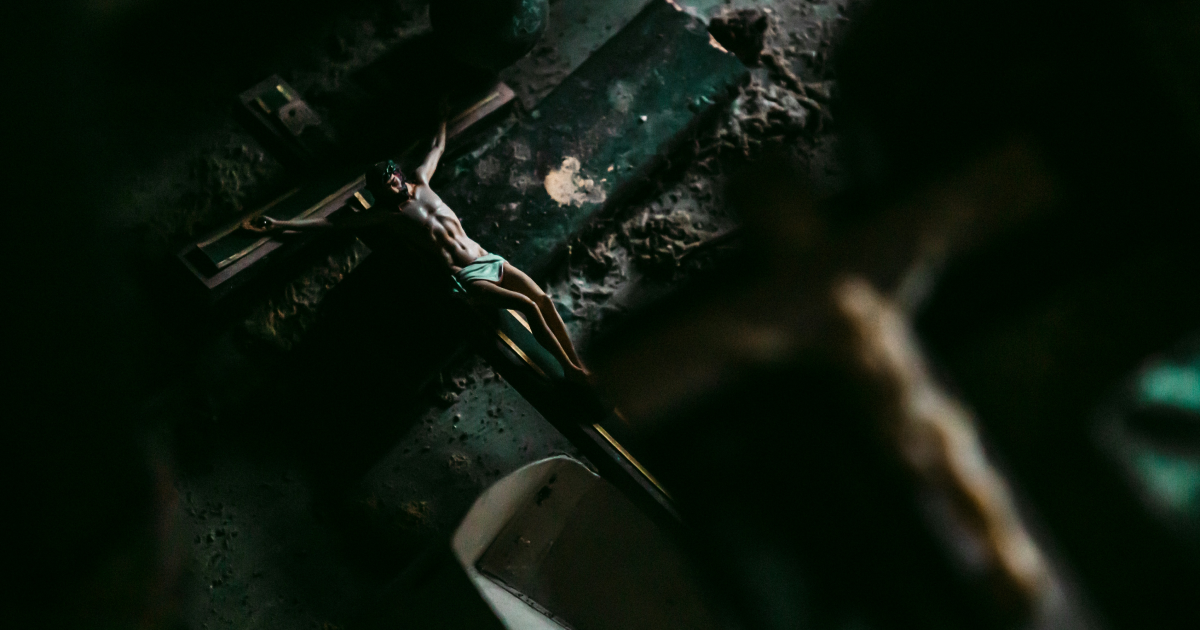
The Church still has martyrs. Their names belong not to a closed chapter of history but to the same story that began at Calvary and continues, often unnoticed, wherever fidelity is lived to the end.

Reporting and testimony referenced in this article draws in part on material provided by Aid to the Church in Need.
According to figures compiled by the Vatican’s mission agency Fides, seventeen Catholic missionaries and pastoral workers were killed worldwide in 2025 alone. Among them were ten priests, two seminarians, two catechists, two religious sisters, and one layman. The number marked a modest increase on the previous year, when fourteen were killed. Taken over a longer horizon, the scale becomes harder to ignore: from 2000 to 2025, no fewer than 626 missionaries and pastoral workers lost their lives while serving the Church.

These are not statistics from a distant or romanticised past. They belong squarely to the present. They describe the cost of Christian witness in a world that often insists religion has been safely domesticated, reduced to private conviction or cultural inheritance. The persistence of such deaths unsettles that narrative. Christianity, it turns out, is still something people are willing to kill, and be killed, for.

One of those seventeen was Emmanuel Alabi, a young seminarian from Nigeria. In July 2025, armed men raided the Immaculate Conception Minor Seminary in Edo State. A security guard was killed, and several seminarians were abducted. Alabi, injured during the attack, was forced to march with his captors. Exhausted and unable to continue, he was left behind. When the kidnappers returned the next day, he was dead.

There was no recorded demand that he renounce his faith, no courtroom drama, no theatrical moment of defiance. His death lacks the clean lines of classical martyrdom. And yet it is precisely this absence of spectacle that makes his witness so revealing. Alabi died not because he sought danger, but because he had chosen a life oriented toward Christ—and in certain parts of the world, that choice alone is enough.

Modern observers tend to imagine martyrdom as something juridical: a clear hatred of the faith, a verbal confession, a decisive refusal. But the Church’s own understanding has always been broader. Fides is careful to note that its list does not include only those killed explicitly “in hatred of the faith.” It includes Catholics who died violently while engaged in pastoral or ecclesial work, often in contexts marked by lawlessness, poverty, and systemic injustice. What unites them is not the motive of the killer but the fidelity of the victim.

This is why contemporary martyrdom is so difficult for us to recognise. It does not conform to our categories. It happens amid civil conflict, criminal predation, and state failure—conditions we are accustomed to analysing politically rather than theologically. Yet for those who live there, the connection is unavoidable. Priests, seminarians, and catechists are targeted precisely because they are present, visible, and unprotected. They remain when others flee. They represent a moral authority that cannot be bribed or absorbed.

The geographical distribution of these deaths tells its own story. A significant proportion occur in sub-Saharan Africa, particularly in Nigeria, where clergy live under constant threat from kidnappers and militant groups, often with little effective protection from the state. Others occur in parts of Asia marked by civil war or ideological repression, including Myanmar, where a Catholic priest was killed amid ongoing conflict. Still others take place in the Americas and even Europe, where the Church continues to serve in environments shaped by endemic violence.

What links these places is a common reality: where social order frays, the Church does not retreat into abstraction. She continues to educate, to heal, to bury the dead, and to proclaim a Gospel that insists on the dignity of the human person. That insistence carries consequences. In such settings, Christianity is a disruptive presence.

For Christians in the West, this presents an uncomfortable contrast. Much contemporary discourse treats faith as a lifestyle preference—something to be curated, personalised, and expressed so long as it does not disturb social consensus. Even when persecution is invoked, it is often stretched to cover reputational harm or cultural marginalisation. Meanwhile, elsewhere in the world, to be visibly Catholic still means risking kidnapping, torture, and death.

This is not an argument for melodrama, nor a claim that Western societies are on the brink of similar violence. It is a call for moral proportion. Where faith can still cost a life, Christianity remains what it has always claimed to be: a total way of life, one that makes demands not only on belief but on the body. Where faith is treated as innocuous, it risks becoming inconsequential.

There is also a lesson here about vocation. Many of those killed were not great evangelists or public intellectuals. They were parish priests, seminarians, catechists—men and women whose calling was service rather than prominence. Their deaths testify to a truth the Church has long understood: witness is often a matter of staying put. Holiness is frequently expressed in duty, a refusal to abandon one’s post.

This kind of fidelity is easy to overlook. It produces no immediate results. It does not scale. And yet it is precisely this quiet endurance that has sustained the Church through centuries of upheaval. The blood of martyrs, Tertullian wrote, is the seed of the Church. The phrase risks cliché, but its meaning remains sharp. Christianity survives not because it adapts seamlessly to every age, but because there are always some willing to live and die as if its claims are true.

The question raised by these deaths is not primarily what the Church should say about persecution. She knows how to pray for her dead. The harder question is what these witnesses should demand of the living. At the very least, they challenge the assumption that Christianity’s future will be decided by cultural influence or political leverage. The faith endures where it is embodied.

For Western Christians, the lives and deaths of contemporary missionaries should prompt a recovery of seriousness. If others risk their lives to serve the Church, it is worth asking what we are willing to risk to belong to her. Not martyrdom, perhaps, but inconvenience, loss of status, refusal of compromise. These are modest costs by comparison. Yet even these often feel excessive.

The Church still has martyrs. Their names belong not to a closed chapter of history but to the same story that began at Calvary and continues, often unnoticed, wherever fidelity is lived to the end.

Reporting and testimony referenced in this article draws in part on material provided by Aid to the Church in Need.
share

subscribe to the catholic herald today

Our best content is exclusively available to our subscribers. Subscribe today and gain instant access to expert analysis, in-depth articles, and thought-provoking insights—anytime, anywhere. Don’t miss out on the conversations that matter most.
Subscribe