

I recently had a dream that I was in a friend’s house and was removing a long row of plastic flowers from a windowsill. I walked from the room and returned moments later to find all the plastic flowers had returned, looking precisely the same.
I can’t think of anything worse than a plastic flower. This was something of a nightmare. I find that I might be moved by what the flower seems to be, only to be disappointed in the realisation that it is fake. It would be rather rude to go into your house and start removing plastic flowers, or anything else. I promise not to.
I might bring some flowers in, though. This is something I find myself doing often. It is a fascinating custom, yet we all seem to understand that giving the gift of cut flowers to a person is rather lovely. However, if I were to bring a plastic flower to you, it would certainly last longer. It would also be received with tremendous awkwardness.
I feel this is nothing to do with my personal aversion to plastic flowers, or yours, but something far deeper within our spirit. We know and understand the difference between what is living and what is not. A living, breathing, passing thing is far more real to us than a mere object which could look like one.
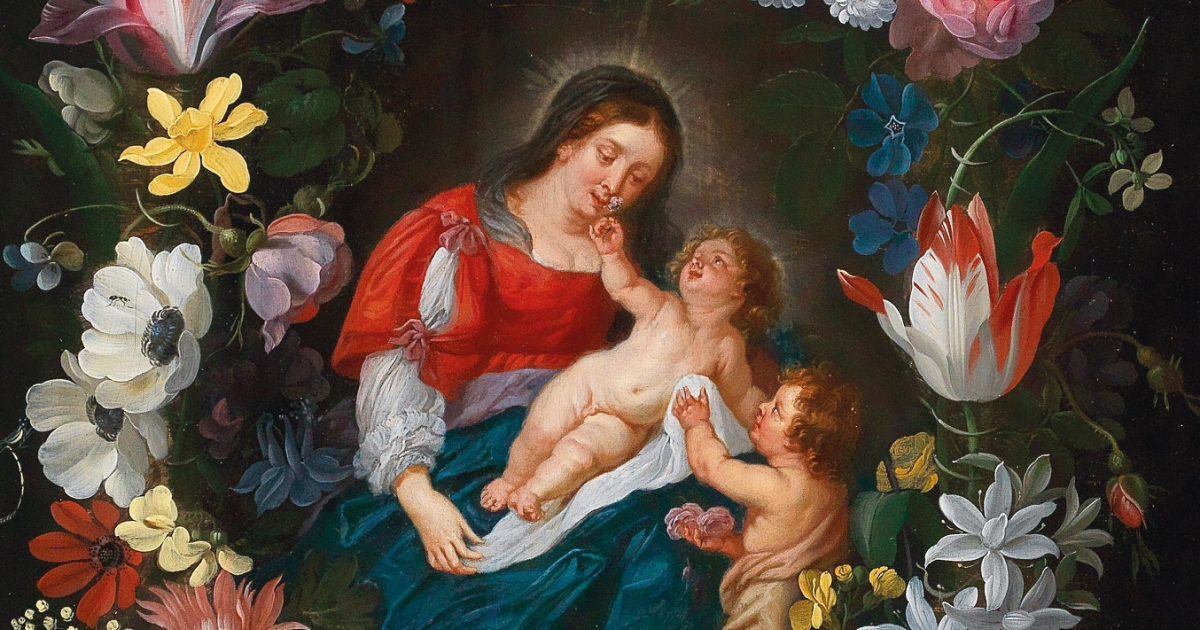
You might say I am being truly unfair to the plastic mouldsman or, indeed, the artist of “still-life” works. We can take pleasure in the craft, but then it is only because we like real flowers and wish to hold them and see them. If we didn’t want real flowers, we would not bother painting flowers.
The act of creation, then, of painting flowers or anything else, is always an effort to capture what is really hoped for: beauty and truth, the living thing, the person, the glorious landscape or the religious reality. One of the greatest painters of the 20th century, Edward Hopper, is known for his use of light as portraying hopefulness in a painful fashion. A wonderful example of this achievement is Nighthawks, in which a charming 1940s scene inside a diner, bathed in light, is seen from the outside. What appears to be a reassuring picture spans outward to us. We realise that we are the nighthawks, standing in the gloomy street, looking and separated from the people with no way in.
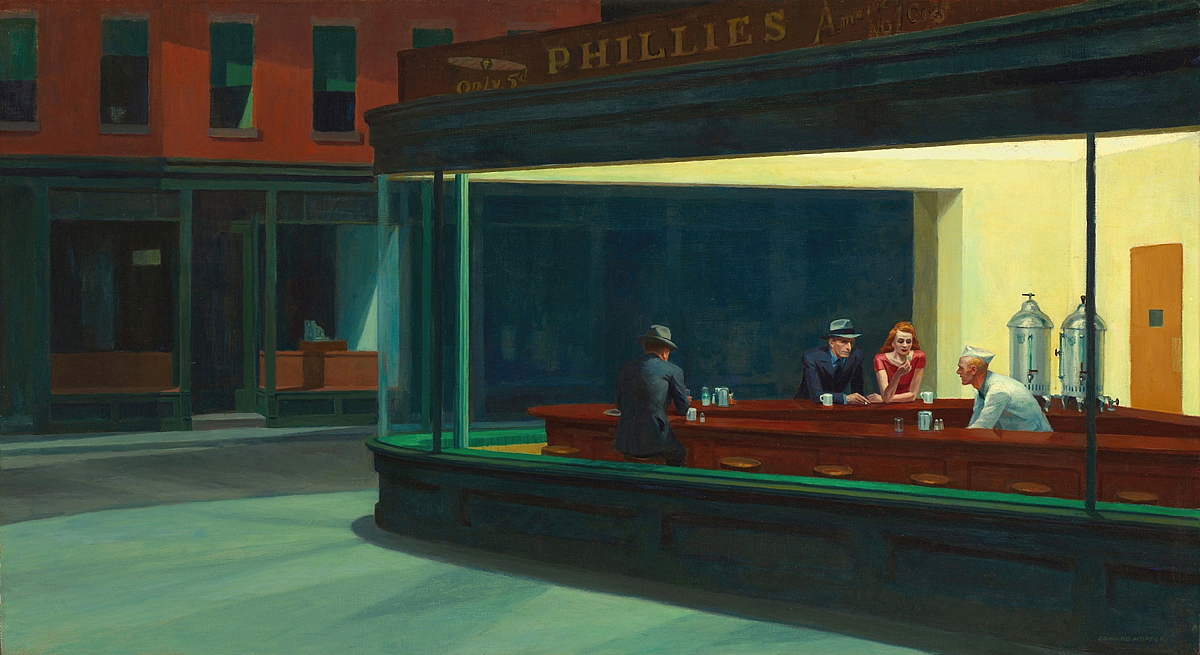
Hopper understood the isolation from God which sits in the human heart and inspires it to create and seek beauty. In his world, the light denotes that desire and is unapproachable.
In a sense, Hopper and other great masters who manage to reach these heights communicate the pain within our fallen situation. We long for something we know will not satisfy us, but long for it all the same. We know that inside us is a desire for some eternal rest and homecoming which our worldly visions can never accomplish.
You might feel that this is very gloomy, but you do not have to look far to find suffering and unhappiness. The greatest example in our time is the progress offered by digital advancement. Governments are banning technologies for young people which, not 20 years ago, were promising a new dawn of egalitarian expression and humane brotherhood. It is the greatest disappointment to all of us to discover that we cannot replace human contact with simulation; to grasp these plastic flowers and know how horrid they are. The saddest sign of our loneliness is in our hopeless attitude to family life. I recently heard a young person say they would never have children, due to the perilous state of the world: “It ends with me.”
I feel such a philosophy is in desperate need of some real flowers. It could only be in putting our confidence in those things which seem permanent but are empty that we would give up putting our hope in human things, like children, who are passing, but permanent.
If we compare, then, what we might ponder in an Edward Hopper painting to the work of Fra Angelico, we might come to realise what it is we have been seeking. In Nighthawks, we stand outside a diner with no doorway. One of Fra Angelico’s Annunciation works is painted at the head of the dormitory stairs at the convent of San Marco, in Florence. There is no door either, but a wide open loggia of slender columns and beyond it a garden of small flowers. Mary leans towards the angel, who enters freely.
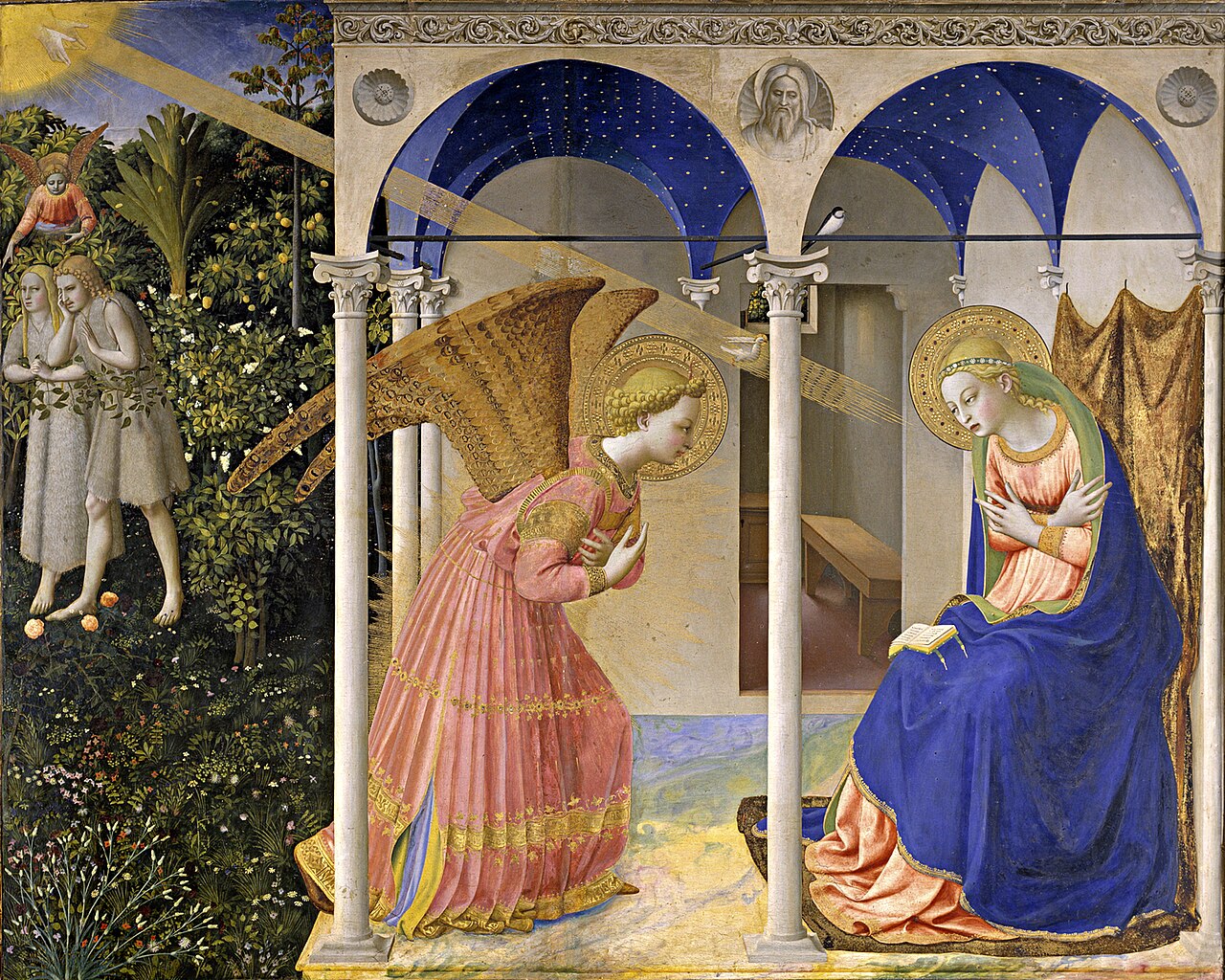
Hopper’s diner holds out a promise we cannot obtain, for it is earthly and its light stays behind the glass. Fra Angelico’s light has no visible source at all; the illumination of the scene brings a promise which is present, reachable and permanent.
It is true that all of our worldly fancies, our dreams, our hopes for next year and the future, will come to an end. It is only in the Annunciation that this hope could really be eternal. Someone, through the Blessed Mother, has come to save you after all and fulfil the hope.
There is something else which happens to us, though, in looking upon it – and pondering what is sacred and beyond ourselves. If we can believe that something human, or someone, could be truly glorious, we might someday be prepared to be ordinary and suffer for something greater than ourselves.
For, if we have no hope and are holding on to this world, it will be taken from us. We may know this and, like Hopper, wish we could reach some earthly satisfaction anyway. It is only knowing that our wishes may someday come true, and are being fulfilled through the Blessed Mother, that we can find out what they really are and let them die.
To say “Yes”, then, is to watch the flowers die. Or to watch your son die. If you have allowed your heart to be open to loving others, you will suffer in this way. I don’t want any plastic flowers in my life. To have real ones, to watch them and everything wither, is to place our hope in what is eternal. Such a hope starts with the Annunciation. It is ever ancient and ever new and never hidden from us.