


March 25, 2026

From ‘fiat’ to fruit: what the Annunciation means for marriage

Adelaide di Maggio
More
Related
Min read
share

The Feast of the Annunciation is often described as a ‘Christmas feast’ in the middle of Lent, marking the conception of Jesus in Mary’s womb through the Holy Spirit. Its place in the liturgical year is far from accidental: falling nine months before Christmas, March 25 was traditionally held to be the date of Christ’s death. The coming of Jesus, announced by the Angel Gabriel to Mary, would culminate on the Cross of Calvary.

Linking the event of the Annunciation with the event of Christ’s death points to the truth that Christ’s conception and death on the Cross are part of the same mission to redeem humanity. As we read in Gaudium et Spes: ‘Since human nature as He assumed it was not annulled, by that very fact it has been raised up to a divine dignity in our respect too.’ Through His Incarnation, Christ elevated every aspect of humanity, including its beginnings in the womb.
By reaffirming the sanctity of life from conception, today’s feast invites us to consider the role of faith and love in generating new life through marriage.

As the Catechism of the Catholic Church states: ‘In Mary, the Holy Spirit fulfils the plan of the Father’s loving goodness. With and through the Holy Spirit, the Virgin conceives and gives birth to the Son of God. By the Holy Spirit’s power and her faith, her virginity became uniquely fruitful.’ This passage reveals that the conception of Jesus was tied to an act of the will, an act of faith. Her fiat to the call of love from God and her union with the Holy Spirit brought fruit, a fruit so great that it saved the whole world. St Maximilian Kolbe, a great Marian saint, sees in the union of the Holy Spirit with the Blessed Virgin an expression of God’s love for humanity. ‘In this union heaven meets earth,’ the saint wrote, ‘all of heaven with all of the earth, all Uncreated Love with all created love; it is the highest expression of love.’

The loving union between the Virgin Mary and the Holy Spirit, and the fruit of that union in Christ’s Incarnation, can teach us the importance of placing human conception within a context of mutual and self-giving love. The conception of Christ is divine, unique and unrepeatable, and the unity of the Virgin Mary and the Holy Spirit is a unity of two sinless beings. However, through their openness to life in the marital act, spouses can strive to imitate the same love, purity and unity with the will of God expressed by the fiat of Our Lady. Marriage, as the Church understands it, is an echo of the self-sacrificial love between the Father and the Son from which the Holy Spirit proceeds. As an element of marriage, the marital act should be an expression of deep love between spouses, a free and mutual self-gift. This act is therefore not merely bodily but also spiritual, and can help spouses grow closer to God individually and together.

This spiritual aspect is linked to the act’s intrinsic procreative aspect, which makes both spouses ‘free and responsible collaborators of God the Creator’. That is why the Magisterium teaches that any sexual act which deliberately severs these intrinsic properties strips the marital act of its intended meaning. It is also why the Church stresses that the conception of children rightly belongs within a context of unconditional love that marriage embodies and which no artificial technique can replace.

By being open to life, spouses can take inspiration from Mary’s fiat and unite in one voice to express a ‘yes’ to God’s call to, as much as they can, unconditionally love one another and a possible future offspring. Of course, this can be a struggle for many couples at certain times in life. That is why the Church offers natural family planning as a way of trustingly stewarding creation. Prayer and sacraments, including the sacrament of Confession, are also there to guide couples as they seek to follow the example of the saints. In any case, men and women can be open to the will of God and surrender their family and future fully to Him, recognising that He alone is the master of life and death. The parents’ child, then, becomes the fruit of their own, though imperfect, fiat made to one another and to God.

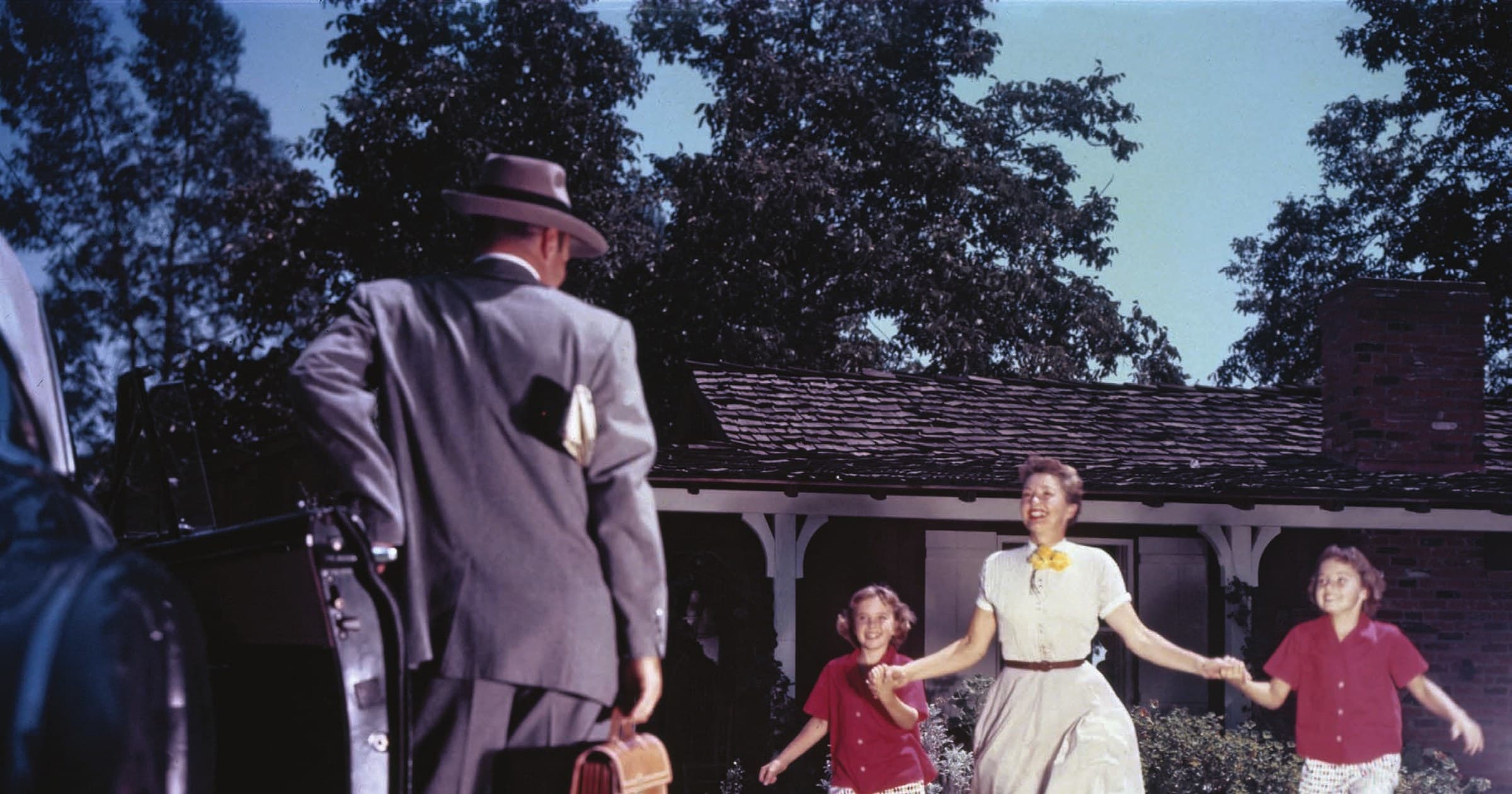
The Church understands that not all people, indeed not all marriages, will be blessed with children. However, that does not mean their fiat cannot be fruitful. We see this in the example of St Joseph. Though he did not participate in the conception of Jesus and remained chaste, his marital union with Mary bore fruit in the building of a fitting home for the Son of God. He responded to the call by protecting the Holy Family from the moment of the Incarnation onwards. He remained chaste and faithful to his wife and served as a dedicated foster father to Jesus for the rest of his life.

The Annunciation reminds us that every life is valuable from conception and that spouses are called to honour God and one another in their openness to life. However, whether we have a family of our own or not, we are all called to imitate Mary in saying ‘yes’ to the will of God in our own lives, so that the Holy Spirit can accomplish Christ’s salvific work in our hearts.

The Feast of the Annunciation is often described as a ‘Christmas feast’ in the middle of Lent, marking the conception of Jesus in Mary’s womb through the Holy Spirit. Its place in the liturgical year is far from accidental: falling nine months before Christmas, March 25 was traditionally held to be the date of Christ’s death. The coming of Jesus, announced by the Angel Gabriel to Mary, would culminate on the Cross of Calvary.

Linking the event of the Annunciation with the event of Christ’s death points to the truth that Christ’s conception and death on the Cross are part of the same mission to redeem humanity. As we read in Gaudium et Spes: ‘Since human nature as He assumed it was not annulled, by that very fact it has been raised up to a divine dignity in our respect too.’ Through His Incarnation, Christ elevated every aspect of humanity, including its beginnings in the womb.
By reaffirming the sanctity of life from conception, today’s feast invites us to consider the role of faith and love in generating new life through marriage.

As the Catechism of the Catholic Church states: ‘In Mary, the Holy Spirit fulfils the plan of the Father’s loving goodness. With and through the Holy Spirit, the Virgin conceives and gives birth to the Son of God. By the Holy Spirit’s power and her faith, her virginity became uniquely fruitful.’ This passage reveals that the conception of Jesus was tied to an act of the will, an act of faith. Her fiat to the call of love from God and her union with the Holy Spirit brought fruit, a fruit so great that it saved the whole world. St Maximilian Kolbe, a great Marian saint, sees in the union of the Holy Spirit with the Blessed Virgin an expression of God’s love for humanity. ‘In this union heaven meets earth,’ the saint wrote, ‘all of heaven with all of the earth, all Uncreated Love with all created love; it is the highest expression of love.’

The loving union between the Virgin Mary and the Holy Spirit, and the fruit of that union in Christ’s Incarnation, can teach us the importance of placing human conception within a context of mutual and self-giving love. The conception of Christ is divine, unique and unrepeatable, and the unity of the Virgin Mary and the Holy Spirit is a unity of two sinless beings. However, through their openness to life in the marital act, spouses can strive to imitate the same love, purity and unity with the will of God expressed by the fiat of Our Lady. Marriage, as the Church understands it, is an echo of the self-sacrificial love between the Father and the Son from which the Holy Spirit proceeds. As an element of marriage, the marital act should be an expression of deep love between spouses, a free and mutual self-gift. This act is therefore not merely bodily but also spiritual, and can help spouses grow closer to God individually and together.

This spiritual aspect is linked to the act’s intrinsic procreative aspect, which makes both spouses ‘free and responsible collaborators of God the Creator’. That is why the Magisterium teaches that any sexual act which deliberately severs these intrinsic properties strips the marital act of its intended meaning. It is also why the Church stresses that the conception of children rightly belongs within a context of unconditional love that marriage embodies and which no artificial technique can replace.

By being open to life, spouses can take inspiration from Mary’s fiat and unite in one voice to express a ‘yes’ to God’s call to, as much as they can, unconditionally love one another and a possible future offspring. Of course, this can be a struggle for many couples at certain times in life. That is why the Church offers natural family planning as a way of trustingly stewarding creation. Prayer and sacraments, including the sacrament of Confession, are also there to guide couples as they seek to follow the example of the saints. In any case, men and women can be open to the will of God and surrender their family and future fully to Him, recognising that He alone is the master of life and death. The parents’ child, then, becomes the fruit of their own, though imperfect, fiat made to one another and to God.

The Church understands that not all people, indeed not all marriages, will be blessed with children. However, that does not mean their fiat cannot be fruitful. We see this in the example of St Joseph. Though he did not participate in the conception of Jesus and remained chaste, his marital union with Mary bore fruit in the building of a fitting home for the Son of God. He responded to the call by protecting the Holy Family from the moment of the Incarnation onwards. He remained chaste and faithful to his wife and served as a dedicated foster father to Jesus for the rest of his life.

The Annunciation reminds us that every life is valuable from conception and that spouses are called to honour God and one another in their openness to life. However, whether we have a family of our own or not, we are all called to imitate Mary in saying ‘yes’ to the will of God in our own lives, so that the Holy Spirit can accomplish Christ’s salvific work in our hearts.

subscribe to
the catholic herald

Continue reading your article with a subscription.
Read 5 articles with our free plan.
Subscribe

subscribe to the catholic herald today

Our best content is exclusively available to our subscribers. Subscribe today and gain instant access to expert analysis, in-depth articles, and thought-provoking insights—anytime, anywhere. Don’t miss out on the conversations that matter most.
Subscribe