
July 22, 2026

Lay movement urges Rome to reject Synodal Way recognition

The Catholic Herald
More
Related
Min read
share

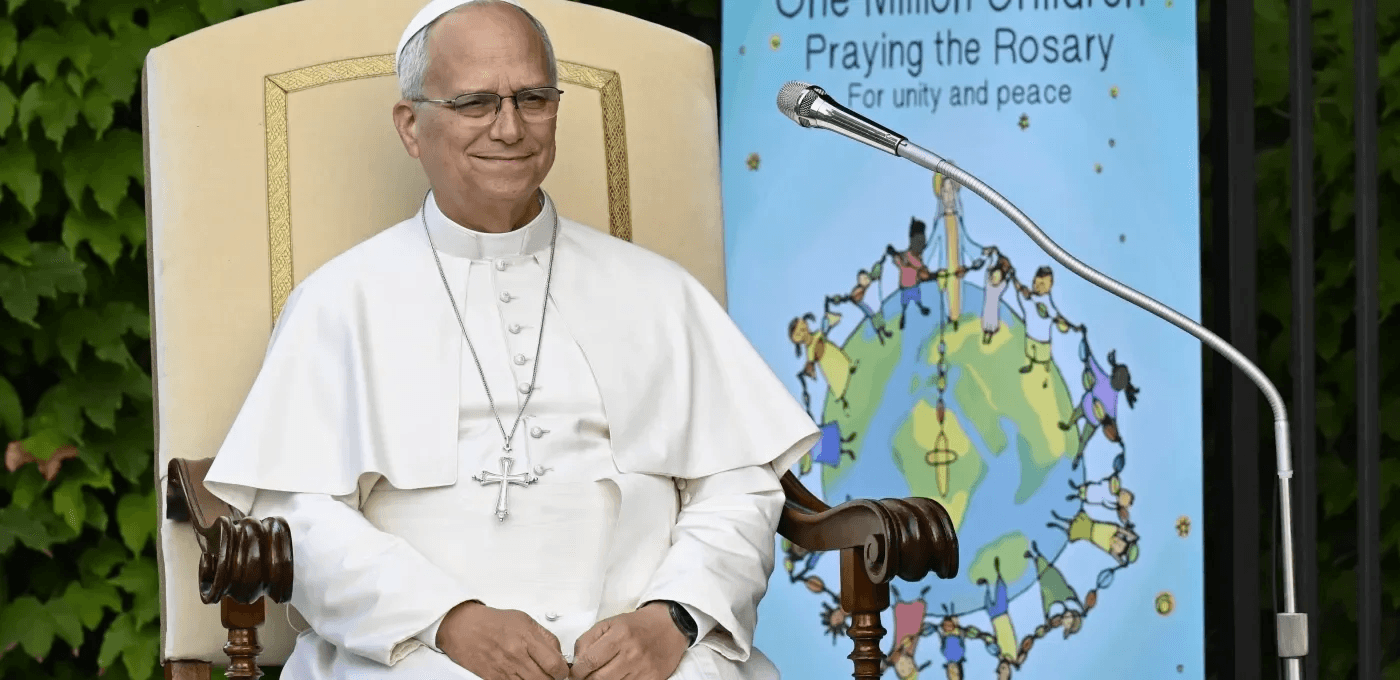
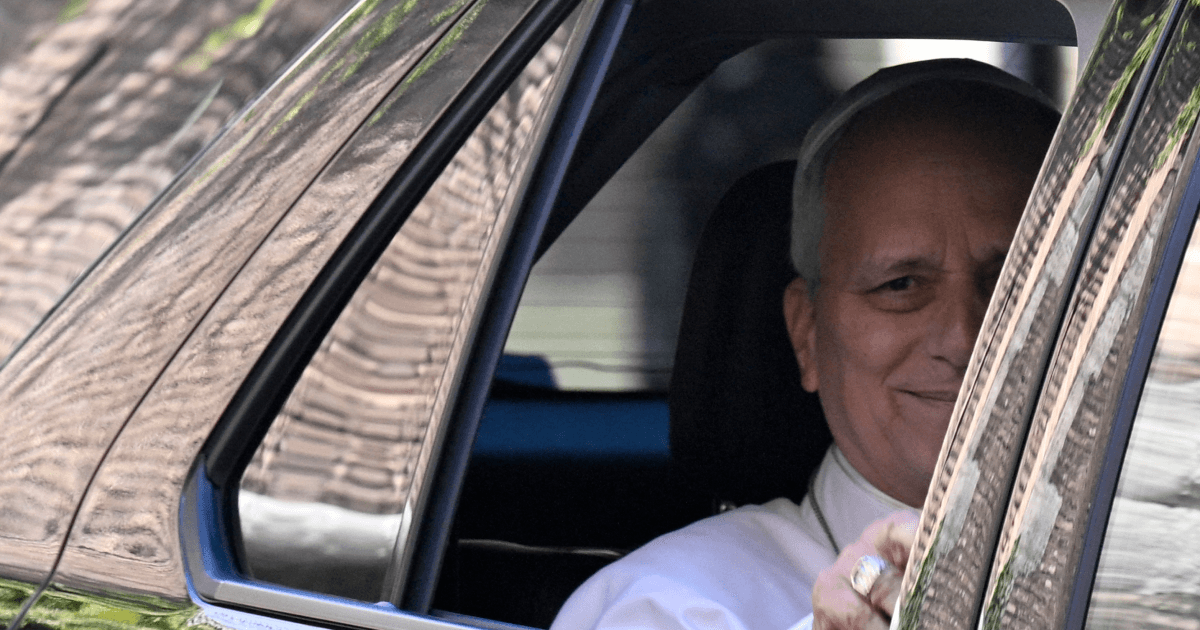
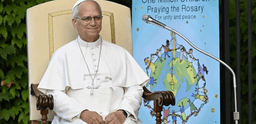
A new German lay organisation has written an open letter to Pope Leo XIV urging him to stop an official recognition of the Synodal Way, arguing that it is an attempt to alter the hierarchical constitution of the Church.

The movement, Pro Fide Ecclesiae (PFE), was formed on July 12 and said it aims to “defend the Faith against heretical interpretations and falsifications”.

The German Synodal Way, which was separate from the Synod on Synodality initiated by Pope Francis, launched in 2019, and has sparked continued controversy due to its series of conferences which entertained and voted in favour of a number of positions contrary to the Church’s teaching and discipline – including women’s ordination, revoking the requirement for priestly celibacy in the Latin Rite and a contrary interpretation of sexual ethics.
On November 22, 2025, members of the Synodal Way committee voted to create a national body called the Synodal Conference, which would have an equal number of bishops and laity decide on issues. The German Church was told by the Vatican that it had no authority to alter its governance structure.

In the PFE open letter, they appealed to the Pope to reject its creation, which is currently under review in Rome. They stated that the future of the Church in Germany “depended” upon the decision.

It stated: “In our conviction, the so-called Synodal Committee is far more than an advisory body. Its aim is to permanently alter the hierarchical constitution of the Church instituted by Christ. The sacramental pastoral authority of the bishops is to be effectively subjected to democratic majority decisions. This contradicts not only ecclesiastical law but the divine constitution of the Church itself.”

“The planned Synodal Conference provides that bishops and laity make binding decisions with equal voting rights. This relativises the sacramental responsibility of the episcopal office and subjects it to a parliamentary logic. In addition, a monitoring system is to be established regarding the implementation of the resolutions in the individual dioceses. The Church would be transformed in its very essence from a sacramentally constituted communion into an organisation with democratic decision-making structures.”

It cited the Second Vatican Council document Lumen gentium, stating it “distinguishes clearly between the common priesthood of all the faithful and the sacramental ministry of holy orders” and that while the laity are called to their mission in the world, “this does not entail equality with the sacramental governing office of the bishops”. They also noted that the committee would be in breach of canon law by putting those who have not received the Sacrament of Holy Orders into positions of the power of governance.

“Lay members may cooperate in its exercise in accordance with the law, but they possess no sacramental power of governance of their own,” the letter read. “Holy Father, it is precisely this boundary that would be crossed by the Synodal Conference.”

The Synodal Way, which officially concluded on March 11, 2023, returned to headlines recently as Bishop Christian Würtz, who gave his support during the conferences to re-examining the possibility of women priests and the changing of the Church’s teaching on homosexuality, was appointed as the new Bishop of Eichstätt.

Continue reading with a free account

Create a free account to read up to five articles each month
Create free account

You have # free articles remaining this month.

Subscribe to get unlimited access.
Sign up

subscribe to the catholic herald today

Our best content is exclusively available to our subscribers. Subscribe today and gain instant access to expert analysis, in-depth articles, and thought-provoking insights—anytime, anywhere. Don’t miss out on the conversations that matter most.
Subscribe