

February 2, 2026
February 2, 2026

God, country and family: the virtues liberalism forgets

Min read
share

“And the strongest emotion was that life was as precious as it was puzzling. It was an ecstasy because it was an adventure; it was an adventure because it was an opportunity… The test of all happiness is gratitude; and I felt grateful, though I hardly knew to whom… We thank people for birthday presents of cigars and slippers. Can I thank no one for the birthday present of birth?” (Chesterton, Orthodoxy, “The Ethics of Elfland”).

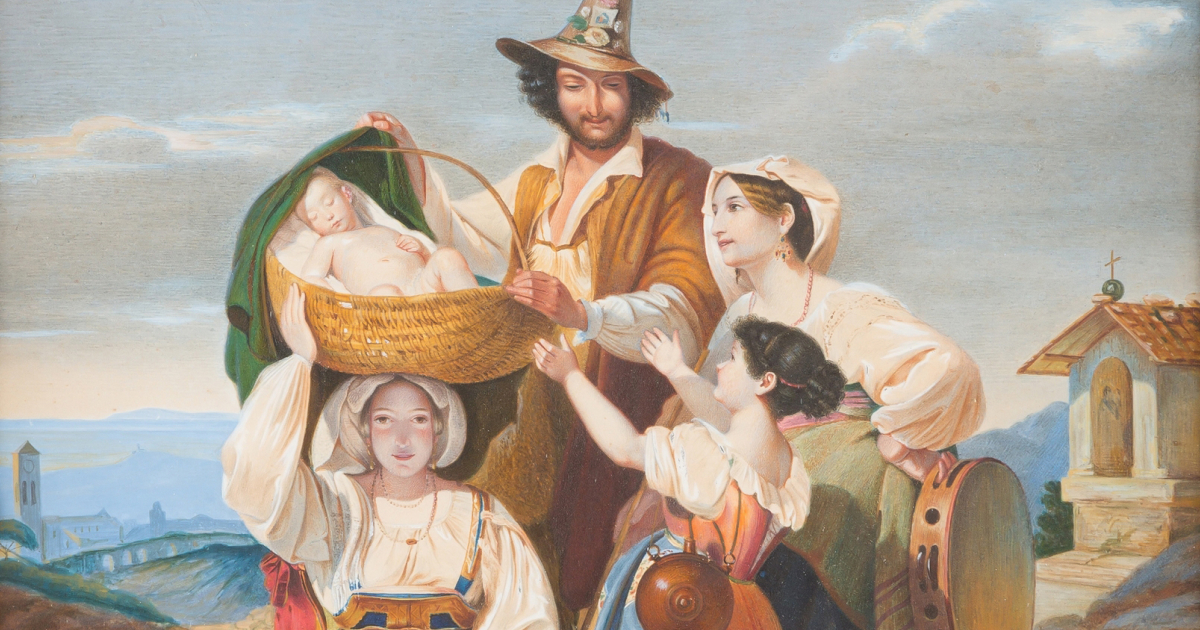
In modern liberal discourse, it is easy to forget the word gratitude. Gratefulness, after all, is a response to a gift, and we tend to speak of rights, not of gifts: the rights of liberty, grounded in equality, not in reception. Yet, as Christmas fades in the rear-view, the language of gift has lingered with me. I wish to ponder a simple sentiment that this season of gift-giving inspires: life is a gift.

If this claim is to escape the confines of mere platitude, it must have some personal content. Gifts, after all, are signs of love between persons. If there is a gift given, then by necessity there must be a gift-giver. While those of a theistic persuasion may be tempted to complete the thought, I ask for patience. We are not drawing out a proof for divine existence; we are highlighting a flaw in liberal politics. By fixating on what we are owed, we easily forget what we have already been given. A life received as gift demands gratitude, and gratitude of this kind cannot remain merely sentimental. It requires sacrifice: first to God, then to the political community, and finally to one’s parents.

In antiquity, there were three virtues that were understood to bring political justice to perfection. If justice is paying to each his due, these three virtues dealt with those persons we cannot repay. The first and highest of these was the virtue of religion. Few things of ancient wisdom are held in high esteem today, and fewer still are as widely neglected as the virtue of religion. That virtue, which in ages past bound man and nation across lands and oceans, and from the earth to the heavens, liberalism has relegated from politics altogether. Yet religion recognises a simple truth: that the first giver of all good gifts is God and we cannot repay Him. Religion teaches man to offer God the highest of all loves, which we call worship. We cannot offer back anything that He has not already bestowed, and so the only thing we can do is love Him and teach others to do likewise. This truth serves as the foundation of politics.

The next virtue is patriotism, a hotly contested topic in modern news. This virtue was not an empty-headed nationalism, no better than local sports team loyalty. It also encompasses much more than raising flags and protecting borders. The virtue of patriotism recognises the debt we owe to our communities for protection, nurture, formation and political order. Again, there is no way for us to give back what we have received, and so patriotism demands our love, demonstrated in loyalty and service.

Last of these unrepayable debts is to our parents. No matter how much we might want to, we cannot ever give back the life and upbringing that they have given us. The virtue of filial piety teaches us to offer our parents that love which takes the form of honour and reverence.

These virtues of religion, patriotism and piety are the foundation of gratitude and of sacrifice. These virtues are either neglected or wilfully rejected by liberalism. Our moral education is sorely lacking. We are told to be individuals, to rejoice in liberty and fight for our rights. We are not taught to act as a community by sacrificing freedom for the common good, or how to honour our duties. Sacrifice is the willing surrender of something valuable for the sake of another. It is not mere sentiment or occasional generosity. It is the permanent reordering of one’s life around debts that can never be discharged. This is why liberalism finds sacrifice so troubling: it cannot be reduced to contract or consent. You did not choose your parents, your country or God, yet you owe them everything. Gratitude for the gift of life means accepting that your life is not entirely your own to dispose of as you wish.

How did we arrive at this impoverished moral landscape? The transition was not sudden, but gradual. As liberalism emerged from the Enlightenment, it sought to free individuals from what it saw as arbitrary constraints of inherited hierarchy and religious dogma. The language of rights as universal, inalienable and self-evident promised a politics grounded not in gratitude for what previous generations bestowed, but in what each human possessed by nature. This was liberalism’s great achievement: the individual’s will could no longer be sacrificed to king or altar without justification. Yet in severing political obligation from the language of gift and debt, something essential was lost. When we speak only of what we are owed, we lose the vocabulary for what we have already received. Rights require vigilance and assertion; gifts require gratitude and reciprocity. A politics built entirely on the former struggles to sustain the bonds of religion, patriotism and piety that transform mere contracts into genuine community. Liberalism still claims that life is a gift, but it must be a hollow gift, since we were owed it to begin with.

It is unsurprising to see in our society rising levels of social unrest, mental health disorders and even interest in assisted suicide. The centring of politics on one’s rights creates a self-centred individual. The self freed from relationship is a burden too great to bear. The sneering response is almost audible: I didn’t ask for this. Justice cannot flourish in a nation that neglects piety, patriotism and religion. Without religion, law becomes the will of the rulers, or worse, the people. Without piety, the young are taught to be self-originating and unruly to authority. The absence of patriotism breeds citizens who obey laws when advantageous, but who view sacrifice for the common good as irrational. They seek out what society can give to them. Justice is not destroyed, but it becomes difficult to imagine such a society flourishing. By all means, it may just continue to limp along, so long as it is not euthanised.

I invite a simple examination. What do we owe to others, and what are a few ways we could go about loving them?

First, to God: Do we sacrifice the time necessary to have a relationship with God? Do we make sure that our Sunday morning is His before prioritising our own comfort? Do we set aside time for prayer, to say thank you for each and every good thing that we have? Are we removing obstacles between us and God, and learning more about growing in our knowledge of Him? Do we share the truth of God with others?

Second, to our political community: Do we sacrifice any time for the good of the community? Have we taken time to even meet our next-door neighbours, or be of service to them? Are there ways we can love where we live and seek to improve it?

Third, to our parents: Do we speak often with our parents? Do we perform for them any service? Are we able to be available for a weekly meal? Are we willing to sacrifice time and energy to raise a family of our own?

I wish here to mention something that I have found compelling since I was a child. We can make the simple choice to live as near our parents (or our spouse’s parents) as we can. It is curious to me that modern culture encourages children to leave their parents precisely at the point when a child is most interesting. The child leaves just as he finishes requiring all of his needs met and is finally fit for friendship. It is little wonder that so many people find parenthood a burden under these circumstances. Parents hardly get to enjoy any of the fruit their labour has produced. So let us attempt to live near our family, if circumstances permit it.

In reflecting on these unrepayable debts, to God, to our country and to our parents, we are reminded that life itself is not merely a right, but a gift. Justice, true justice, cannot perfectly exist apart from gratitude, and gratitude is never abstract; it requires concrete acts of love, loyalty and sacrifice. To live rightly, then, is to recognise what we have received, to honour those who gave it and to give of ourselves in return. In a society that increasingly forgets these debts, embracing them may be the simplest and most profound act of resistance: a life lived in gratitude is a life that affirms both the giver and the gift.

“And the strongest emotion was that life was as precious as it was puzzling. It was an ecstasy because it was an adventure; it was an adventure because it was an opportunity… The test of all happiness is gratitude; and I felt grateful, though I hardly knew to whom… We thank people for birthday presents of cigars and slippers. Can I thank no one for the birthday present of birth?” (Chesterton, Orthodoxy, “The Ethics of Elfland”).

In modern liberal discourse, it is easy to forget the word gratitude. Gratefulness, after all, is a response to a gift, and we tend to speak of rights, not of gifts: the rights of liberty, grounded in equality, not in reception. Yet, as Christmas fades in the rear-view, the language of gift has lingered with me. I wish to ponder a simple sentiment that this season of gift-giving inspires: life is a gift.

If this claim is to escape the confines of mere platitude, it must have some personal content. Gifts, after all, are signs of love between persons. If there is a gift given, then by necessity there must be a gift-giver. While those of a theistic persuasion may be tempted to complete the thought, I ask for patience. We are not drawing out a proof for divine existence; we are highlighting a flaw in liberal politics. By fixating on what we are owed, we easily forget what we have already been given. A life received as gift demands gratitude, and gratitude of this kind cannot remain merely sentimental. It requires sacrifice: first to God, then to the political community, and finally to one’s parents.

In antiquity, there were three virtues that were understood to bring political justice to perfection. If justice is paying to each his due, these three virtues dealt with those persons we cannot repay. The first and highest of these was the virtue of religion. Few things of ancient wisdom are held in high esteem today, and fewer still are as widely neglected as the virtue of religion. That virtue, which in ages past bound man and nation across lands and oceans, and from the earth to the heavens, liberalism has relegated from politics altogether. Yet religion recognises a simple truth: that the first giver of all good gifts is God and we cannot repay Him. Religion teaches man to offer God the highest of all loves, which we call worship. We cannot offer back anything that He has not already bestowed, and so the only thing we can do is love Him and teach others to do likewise. This truth serves as the foundation of politics.

The next virtue is patriotism, a hotly contested topic in modern news. This virtue was not an empty-headed nationalism, no better than local sports team loyalty. It also encompasses much more than raising flags and protecting borders. The virtue of patriotism recognises the debt we owe to our communities for protection, nurture, formation and political order. Again, there is no way for us to give back what we have received, and so patriotism demands our love, demonstrated in loyalty and service.

Last of these unrepayable debts is to our parents. No matter how much we might want to, we cannot ever give back the life and upbringing that they have given us. The virtue of filial piety teaches us to offer our parents that love which takes the form of honour and reverence.

These virtues of religion, patriotism and piety are the foundation of gratitude and of sacrifice. These virtues are either neglected or wilfully rejected by liberalism. Our moral education is sorely lacking. We are told to be individuals, to rejoice in liberty and fight for our rights. We are not taught to act as a community by sacrificing freedom for the common good, or how to honour our duties. Sacrifice is the willing surrender of something valuable for the sake of another. It is not mere sentiment or occasional generosity. It is the permanent reordering of one’s life around debts that can never be discharged. This is why liberalism finds sacrifice so troubling: it cannot be reduced to contract or consent. You did not choose your parents, your country or God, yet you owe them everything. Gratitude for the gift of life means accepting that your life is not entirely your own to dispose of as you wish.

How did we arrive at this impoverished moral landscape? The transition was not sudden, but gradual. As liberalism emerged from the Enlightenment, it sought to free individuals from what it saw as arbitrary constraints of inherited hierarchy and religious dogma. The language of rights as universal, inalienable and self-evident promised a politics grounded not in gratitude for what previous generations bestowed, but in what each human possessed by nature. This was liberalism’s great achievement: the individual’s will could no longer be sacrificed to king or altar without justification. Yet in severing political obligation from the language of gift and debt, something essential was lost. When we speak only of what we are owed, we lose the vocabulary for what we have already received. Rights require vigilance and assertion; gifts require gratitude and reciprocity. A politics built entirely on the former struggles to sustain the bonds of religion, patriotism and piety that transform mere contracts into genuine community. Liberalism still claims that life is a gift, but it must be a hollow gift, since we were owed it to begin with.

It is unsurprising to see in our society rising levels of social unrest, mental health disorders and even interest in assisted suicide. The centring of politics on one’s rights creates a self-centred individual. The self freed from relationship is a burden too great to bear. The sneering response is almost audible: I didn’t ask for this. Justice cannot flourish in a nation that neglects piety, patriotism and religion. Without religion, law becomes the will of the rulers, or worse, the people. Without piety, the young are taught to be self-originating and unruly to authority. The absence of patriotism breeds citizens who obey laws when advantageous, but who view sacrifice for the common good as irrational. They seek out what society can give to them. Justice is not destroyed, but it becomes difficult to imagine such a society flourishing. By all means, it may just continue to limp along, so long as it is not euthanised.

I invite a simple examination. What do we owe to others, and what are a few ways we could go about loving them?

First, to God: Do we sacrifice the time necessary to have a relationship with God? Do we make sure that our Sunday morning is His before prioritising our own comfort? Do we set aside time for prayer, to say thank you for each and every good thing that we have? Are we removing obstacles between us and God, and learning more about growing in our knowledge of Him? Do we share the truth of God with others?

Second, to our political community: Do we sacrifice any time for the good of the community? Have we taken time to even meet our next-door neighbours, or be of service to them? Are there ways we can love where we live and seek to improve it?

Third, to our parents: Do we speak often with our parents? Do we perform for them any service? Are we able to be available for a weekly meal? Are we willing to sacrifice time and energy to raise a family of our own?

I wish here to mention something that I have found compelling since I was a child. We can make the simple choice to live as near our parents (or our spouse’s parents) as we can. It is curious to me that modern culture encourages children to leave their parents precisely at the point when a child is most interesting. The child leaves just as he finishes requiring all of his needs met and is finally fit for friendship. It is little wonder that so many people find parenthood a burden under these circumstances. Parents hardly get to enjoy any of the fruit their labour has produced. So let us attempt to live near our family, if circumstances permit it.

In reflecting on these unrepayable debts, to God, to our country and to our parents, we are reminded that life itself is not merely a right, but a gift. Justice, true justice, cannot perfectly exist apart from gratitude, and gratitude is never abstract; it requires concrete acts of love, loyalty and sacrifice. To live rightly, then, is to recognise what we have received, to honour those who gave it and to give of ourselves in return. In a society that increasingly forgets these debts, embracing them may be the simplest and most profound act of resistance: a life lived in gratitude is a life that affirms both the giver and the gift.
subscribe to
the catholic herald

Continue reading your article with a subscription.
Read 5 articles with our free plan.
Subscribe
share

subscribe to the catholic herald today

Our best content is exclusively available to our subscribers. Subscribe today and gain instant access to expert analysis, in-depth articles, and thought-provoking insights—anytime, anywhere. Don’t miss out on the conversations that matter most.
Subscribe
