January 26, 2026
January 26, 2026

Why I feel strangely hopeful for the English Church

Min read
share

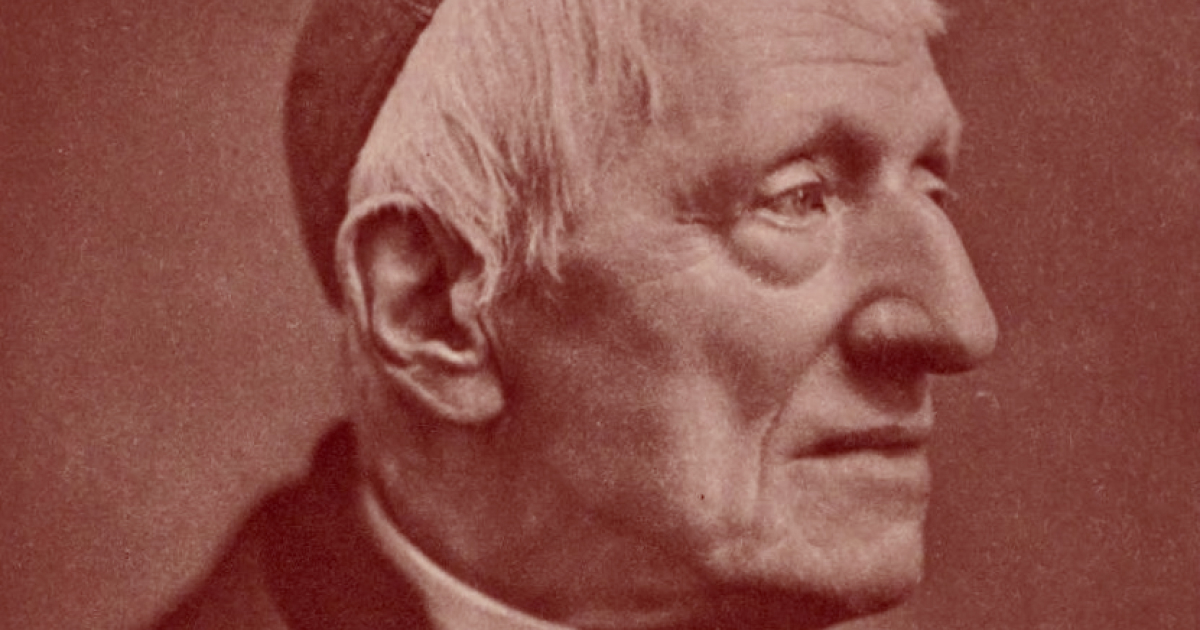
The morning of 13 October 2019 found me with two of my closest friends in St Peter’s Square in Rome. We were there for the canonisation of St John Henry Newman, the first Englishman to be declared a saint in almost fifty years. We had arrived at dawn to pass through the security checkpoints with time to spare. Now, with the Italian sun beating down and another couple of hours to go before Mass began, I passed the time by reading one of Newman’s best known sermons, The Second Spring, on my phone.

In this justly famous address, delivered to the bishops of England and Wales, Newman compares the story of English Catholicism to the cycle of the seasons. Just two years earlier, the Catholic hierarchy had been re-established by Pope Pius IX after a hiatus of more than three centuries. Newman invited his listeners to recall the first springtime of English Catholicism, when St Augustine and his companions arrived in Kent in 597 and set about the conversion of Anglo-Saxon Britain.

For almost a thousand years after its baptism, the English Church flourished. Holy shrines were established at Canterbury, Walsingham, and Holywell. Magnificent cathedrals rose in York, Durham, and Wells. Saints such as Dunstan, Edmund, and Winifred became household names. By the fourteenth century, England was widely known as Our Lady’s Dowry, so fervent was its devotion.

This fervour continued until the eve of the Reformation, a reality Eamon Duffy demonstrates with great force in The Stripping of the Altars. The assaults of King Henry VIII and his allies were not directed at a weak or failing Church. They struck at the heart of a society profoundly shaped by the Gospel. As Duffy notes, at the time of Henry’s break with Rome there were more than 850 religious houses across the country. Within five years, every one of them had been suppressed. England’s long spiritual winter had begun.

When Newman preached in 1852, the restoration of the hierarchy appeared to signal that the ice was thawing and a new springtime was underway. Yet from the vantage point of 2026, that promise can seem unfulfilled. The early twentieth century brought notable conversions, including G K Chesterton and Evelyn Waugh, but these moments now appear less like a sustained renewal and more like a brief warm spell.

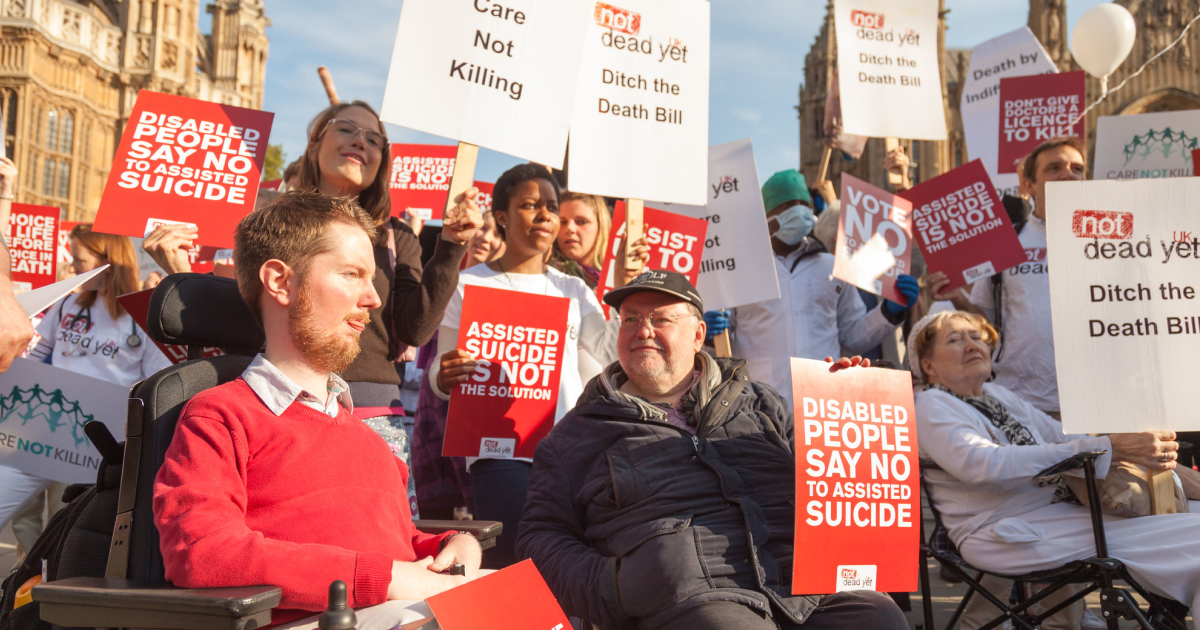
Only last year, surveys showed that the non-religious now outnumber Christians in the UK for the first time. In a single week in June, the House of Commons voted to legalise assisted suicide and to decriminalise abortion up to birth. It is hardly surprising that many English Catholics feel Newman’s vision has failed to materialise.

When I returned to England eighteen months ago, I shared this pessimism. After seven years living in the United States, I expected my return home to be temporary. I assumed I would soon conclude that England had become a lost cause and move back across the Atlantic.

But that did not happen. Instead, the past eighteen months have given me an unexpected hope for the English Church. The parish I attend in Bath is full of young converts, many of whom grew up in non-religious households and came to faith only after searching for meaning beyond what our culture offers. Through books, online lectures, and personal encounters, they discovered the Catholic faith and recognised it as the answer to their deepest questions.

When I think of these friends, I know all is not lost. Across the country, particularly among young people, there are quiet signs of renewal. At our parish’s recent OCIA sessions, I met candidates of varied ages and backgrounds, all eager to begin their journey of faith. The bishops have spoken of a “quiet revival”, and in small but real ways it is visible.

There will undoubtedly be setbacks. Newman himself warned that the Church’s spring would be uncertain and stormy. England was not converted in a day, and its reconversion will be no easier. Yet although his prophecy has taken time, I believe the harvest is still to come.

As Newman reminds us, “the more the enemy rages against us, so much the more will the Saints in Heaven plead for us”. With that confidence, we should press on, inspired by the saints who kept the faith alive in this land, and trust that the light they preserved will yet burn brightly again.

The morning of 13 October 2019 found me with two of my closest friends in St Peter’s Square in Rome. We were there for the canonisation of St John Henry Newman, the first Englishman to be declared a saint in almost fifty years. We had arrived at dawn to pass through the security checkpoints with time to spare. Now, with the Italian sun beating down and another couple of hours to go before Mass began, I passed the time by reading one of Newman’s best known sermons, The Second Spring, on my phone.

In this justly famous address, delivered to the bishops of England and Wales, Newman compares the story of English Catholicism to the cycle of the seasons. Just two years earlier, the Catholic hierarchy had been re-established by Pope Pius IX after a hiatus of more than three centuries. Newman invited his listeners to recall the first springtime of English Catholicism, when St Augustine and his companions arrived in Kent in 597 and set about the conversion of Anglo-Saxon Britain.

For almost a thousand years after its baptism, the English Church flourished. Holy shrines were established at Canterbury, Walsingham, and Holywell. Magnificent cathedrals rose in York, Durham, and Wells. Saints such as Dunstan, Edmund, and Winifred became household names. By the fourteenth century, England was widely known as Our Lady’s Dowry, so fervent was its devotion.

This fervour continued until the eve of the Reformation, a reality Eamon Duffy demonstrates with great force in The Stripping of the Altars. The assaults of King Henry VIII and his allies were not directed at a weak or failing Church. They struck at the heart of a society profoundly shaped by the Gospel. As Duffy notes, at the time of Henry’s break with Rome there were more than 850 religious houses across the country. Within five years, every one of them had been suppressed. England’s long spiritual winter had begun.

When Newman preached in 1852, the restoration of the hierarchy appeared to signal that the ice was thawing and a new springtime was underway. Yet from the vantage point of 2026, that promise can seem unfulfilled. The early twentieth century brought notable conversions, including G K Chesterton and Evelyn Waugh, but these moments now appear less like a sustained renewal and more like a brief warm spell.

Only last year, surveys showed that the non-religious now outnumber Christians in the UK for the first time. In a single week in June, the House of Commons voted to legalise assisted suicide and to decriminalise abortion up to birth. It is hardly surprising that many English Catholics feel Newman’s vision has failed to materialise.

When I returned to England eighteen months ago, I shared this pessimism. After seven years living in the United States, I expected my return home to be temporary. I assumed I would soon conclude that England had become a lost cause and move back across the Atlantic.

But that did not happen. Instead, the past eighteen months have given me an unexpected hope for the English Church. The parish I attend in Bath is full of young converts, many of whom grew up in non-religious households and came to faith only after searching for meaning beyond what our culture offers. Through books, online lectures, and personal encounters, they discovered the Catholic faith and recognised it as the answer to their deepest questions.

When I think of these friends, I know all is not lost. Across the country, particularly among young people, there are quiet signs of renewal. At our parish’s recent OCIA sessions, I met candidates of varied ages and backgrounds, all eager to begin their journey of faith. The bishops have spoken of a “quiet revival”, and in small but real ways it is visible.

There will undoubtedly be setbacks. Newman himself warned that the Church’s spring would be uncertain and stormy. England was not converted in a day, and its reconversion will be no easier. Yet although his prophecy has taken time, I believe the harvest is still to come.

As Newman reminds us, “the more the enemy rages against us, so much the more will the Saints in Heaven plead for us”. With that confidence, we should press on, inspired by the saints who kept the faith alive in this land, and trust that the light they preserved will yet burn brightly again.
subscribe to
the catholic herald

Continue reading your article with a subscription.
Read 5 articles with our free plan.
Subscribe
share

subscribe to the catholic herald today

Our best content is exclusively available to our subscribers. Subscribe today and gain instant access to expert analysis, in-depth articles, and thought-provoking insights—anytime, anywhere. Don’t miss out on the conversations that matter most.
Subscribe