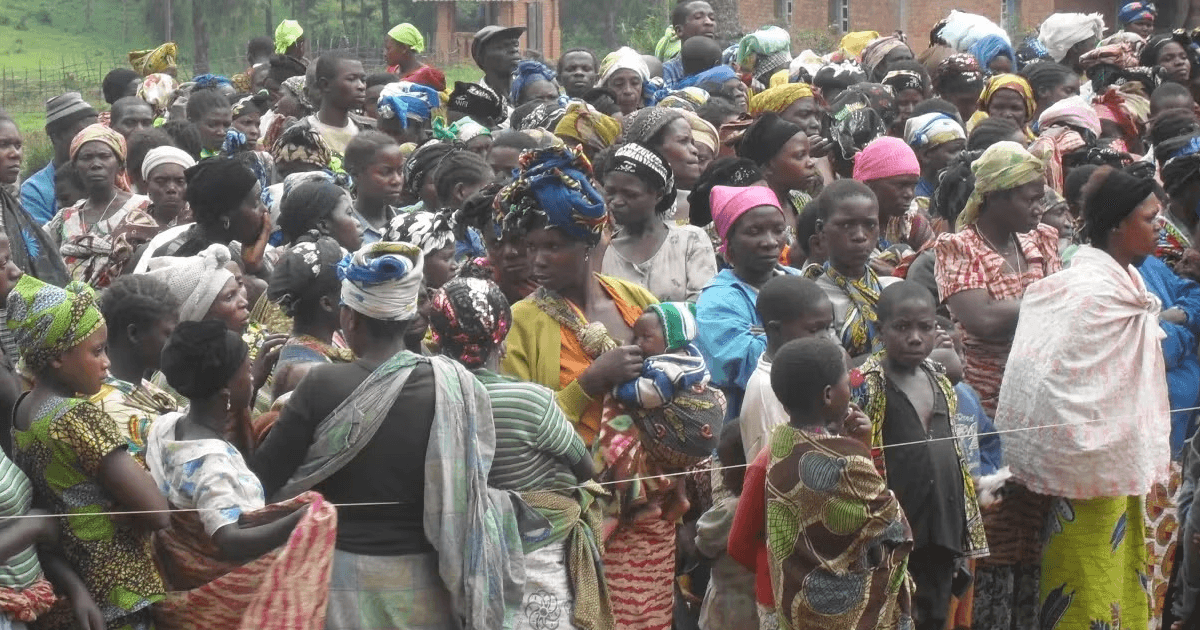

The Holy See has warned that Christians remain the most persecuted religious group in the world, with hundreds of millions facing violence, discrimination or marginalisation because of their faith.
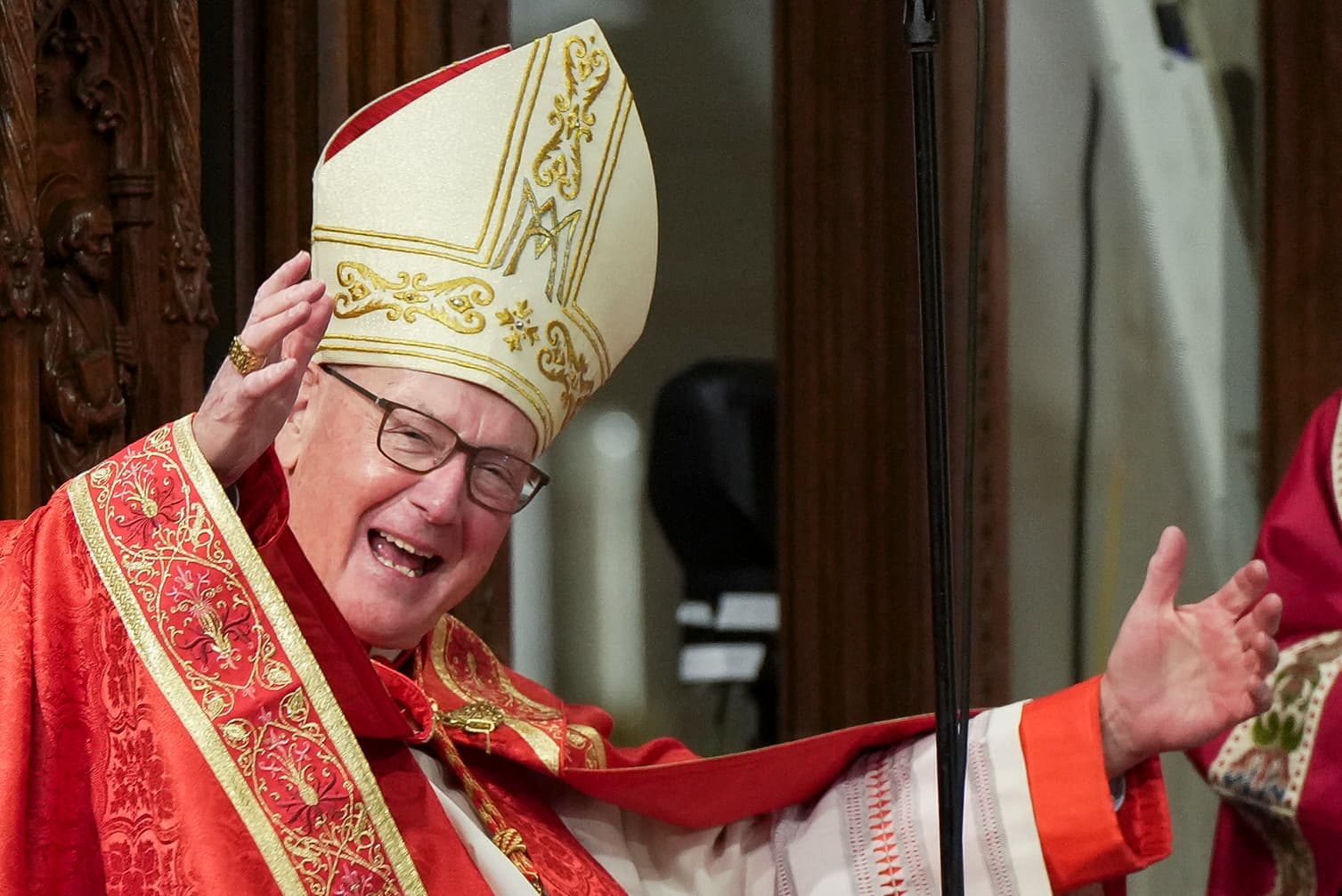
Speaking at the “Standing with Persecuted Christians: Defending the Faith and Christian Values” event at the United Nations in Geneva on March 3, Archbishop Ettore Balestrero said the scale of persecution was stark and ongoing.
Addressing diplomats and international officials gathered for the meeting, the Vatican representative said the global situation required urgent attention from governments and international institutions responsible for protecting fundamental rights.
“Almost 400 million Christians worldwide face persecution or violence, making them the most persecuted religious community in the world,” he said. “This means that one in seven Christians is affected.”
The archbishop said the problem was not merely theoretical or statistical but measured in lives lost and communities destroyed. He told the gathering that nearly 5,000 Christians were killed because of their faith in 2025 alone, which he noted amounted to roughly 13 deaths every day.
Quoting Pope Leo XIV, he added that the figures revealed a troubling international trend in which religious liberty was increasingly treated as optional rather than essential. Religious freedom, the Pope had said, was “considered in many contexts more as a ‘privilege’ or concession rather than a fundamental human right”.
Archbishop Balestrero emphasised that Christians who die for their beliefs are understood by the Church as martyrs in the original sense of the word – witnesses who testify to their faith even to the point of death. He also stressed that international law must recognise them as victims of grave human rights abuses.
“For Christians, those who were killed for their faith are ‘martyrs’ in the etymological sense of the word: ‘witnesses’ to their creed who embody values that challenge the logic of power,” he said. From the perspective of international law, however, they are “victims of outrageous human rights violations”.
He warned that one of the most serious global problems remained the failure of authorities to hold perpetrators accountable.
“Impunity remains one of the most serious issues in the global landscape of religious persecution,” he said, arguing that governments must safeguard believers before, during and after attacks.
Religious liberty, he continued, is not merely one right among many but a foundation of human dignity.
“Religious freedom is one of the absolute minimum requirements necessary for living with dignity,” he said, noting that historically it was among the first rights recognised in law because it concerns humanity’s relationship with God.
Archbishop Balestrero again quoted Pope Leo XIV, who has repeatedly warned about the erosion of religious freedom in different parts of the world.
“The defence of religious freedom cannot remain abstract,” the Pope said. “It must be lived, protected and promoted in the daily lives of individuals and communities.”
Although violent persecution continues in many regions, the archbishop also drew attention to what he described as more subtle forms of hostility towards Christianity, particularly in Western societies where open violence is rarer but social and legal pressures may still restrict religious expression.
He referred to evidence gathered by the Organization for Security and Co-operation in Europe, which recorded more than 760 anti-Christian hate crimes in Europe in 2024 based on data supplied by participating states. These incidents ranged from physical assaults and murders to vandalism, arson attacks on churches and desecration of cemeteries.
Statistics from the Observatory on Intolerance and Discrimination against Christians in Europe suggested an even wider pattern of hostility, identifying more than 2,200 cases affecting Christians across the continent during the same period.
Such incidents, the archbishop said, demonstrated that persecution can take many forms. Some are violent and obvious, while others involve discrimination or legal restrictions that gradually push believers out of public life.
He described this phenomenon as a form of “polite persecution”, in which Christians experience marginalisation or exclusion from political, social or professional spheres despite living in countries historically shaped by Christianity.
In some cases, he said, individuals have faced legal action for engaging in peaceful religious activities such as silent prayer near abortion facilities or quoting scripture in discussions about social issues. Parents and teachers have also encountered restrictions on reading the Bible to children in certain contexts.
The archbishop warned that such developments could erode fundamental freedoms if not carefully addressed. International human rights instruments already guarantee freedom of religion as well as freedom of expression, he noted, yet in some places these rights are increasingly restricted by competing claims or newly asserted legal norms.
He also drew attention to debates taking place in parts of Europe about assisted dying legislation, which could affect religious institutions that operate hospitals or care homes.
In France, he said, a proposed law establishing a legal right to euthanasia could compel Christian-run healthcare institutions to permit the practice even if it conflicts with their religious principles. Religious congregations involved in healthcare, he suggested, might face criminal penalties or financial sanctions if they refused to comply.
The issue, he warned, could extend beyond a single country as other states consider similar legislation.
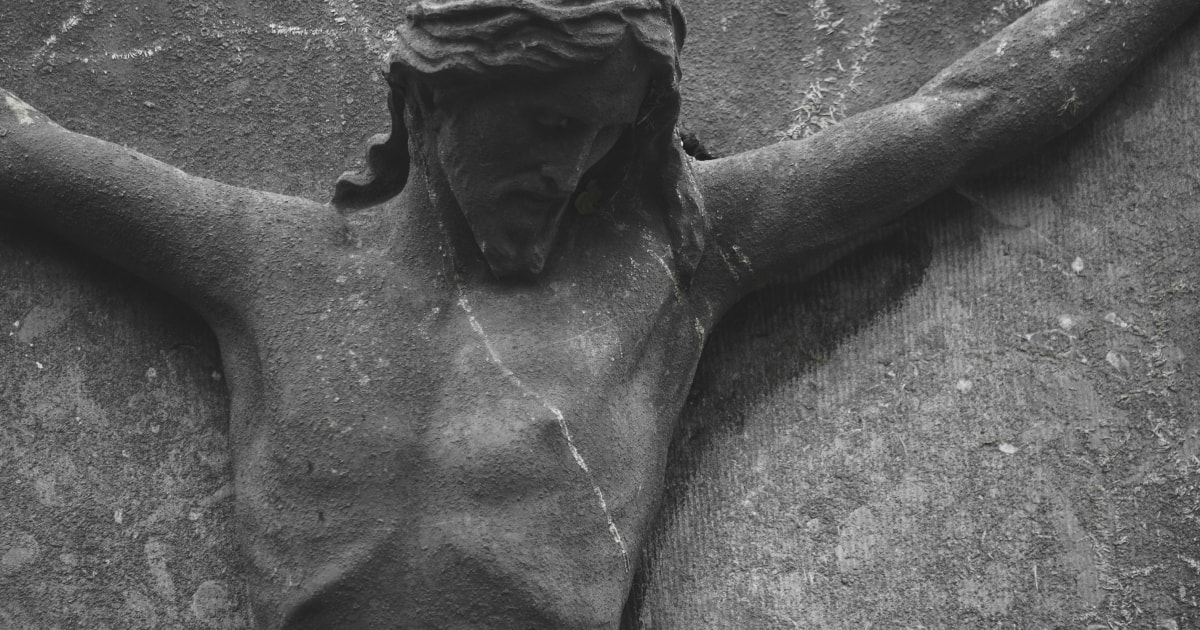
In concluding his remarks, Archbishop Balestrero returned to the Christian symbol of the Cross as a way of expressing the deeper significance of the issue. The vertical beam, he said, represents humanity’s openness to God, while the horizontal beam symbolises the relationships that bind human communities together.
Attacks on Christians therefore represent not only violence against individuals but also an assault on the moral and spiritual foundations that sustain society.
“Attacks on Christians are attacks on the Cross itself,” he said.
The archbishop ended by recalling a message delivered by Pope Francis shortly before his death: “There can be no peace without freedom of religion, freedom of thought, freedom of expression and respect for the views of others”.
This assessment was corroborated by Aid to the Church in Need International in its Religious Freedom in the World Report 2025, which concluded that there have been grave violations of religious freedom in 62 countries, while 38 countries are categorised as experiencing religious discrimination. The report suggested that more than 1.3 billion people may be affected.
Anti-Christian incidents are also rising across Western countries. Europe and North America have witnessed a significant increase in attacks against Christian sites and believers. In 2023 alone, France recorded approximately 1,000 anti-Christian incidents, while Greece reported more than 600 cases of church vandalism.