February 12, 2026

Iraqi archbishop to help ISIS victims go home

Staff writers
More
Related
Min read
share

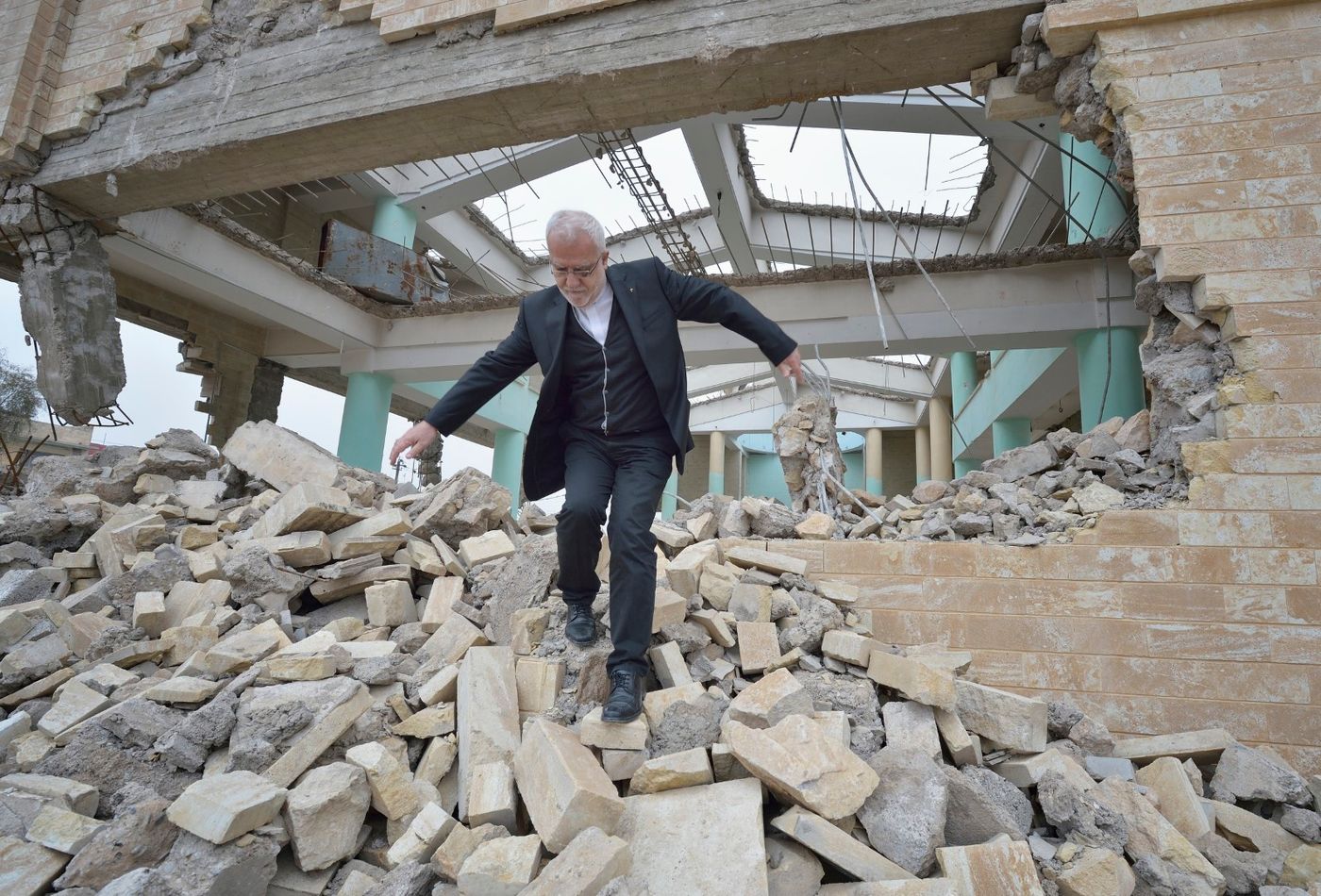
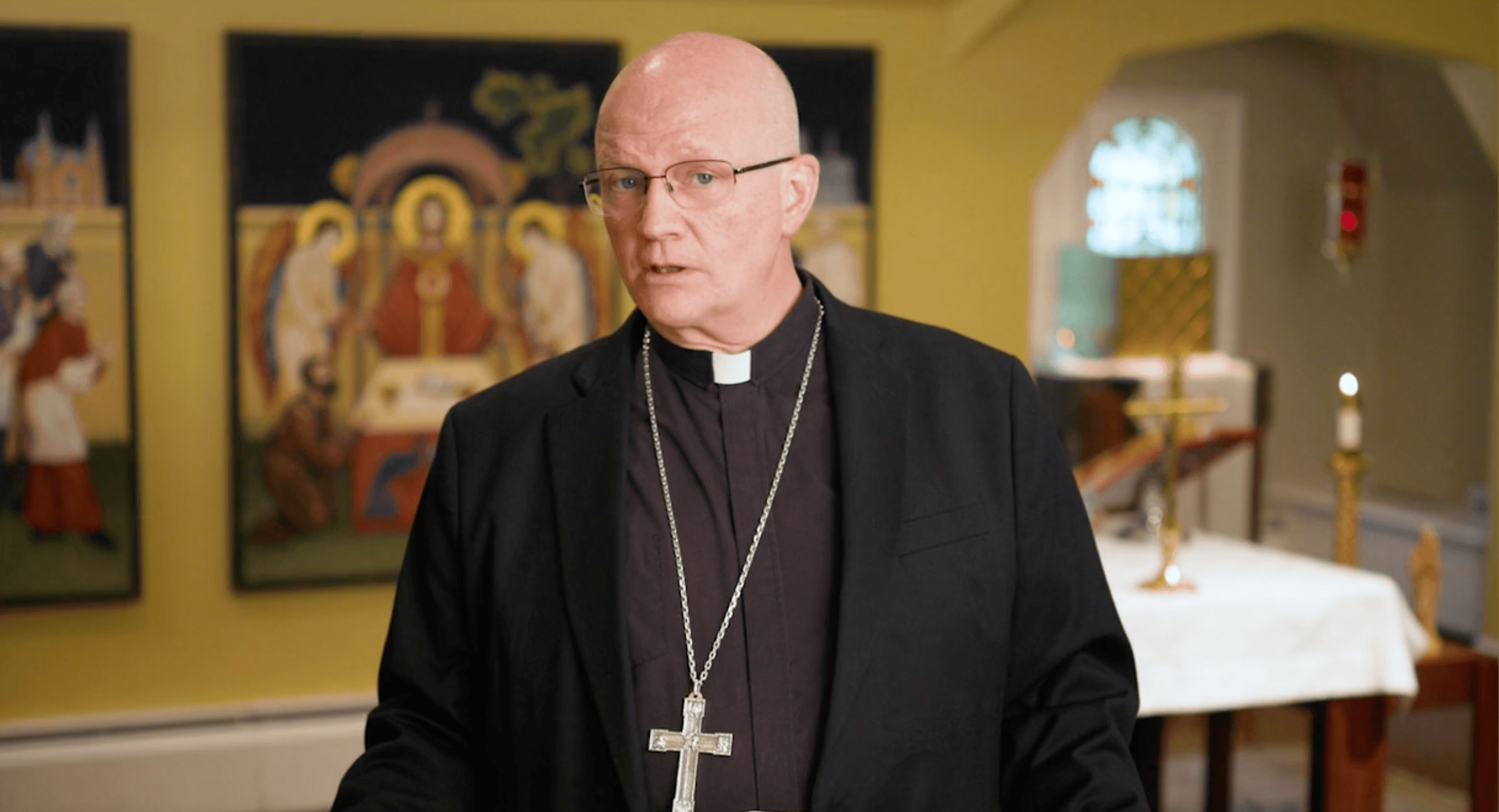
Archbishop Bashar Warda of Erbil has unveiled plans to provide a future for Iraq’s displaced Christians – despite fresh reports showing the extent of the destruction of their homes in the Nineveh Plains.

Archbishop Warda said the churches aim to rebuild “so that the IDPs are able to return to the villages of their forefathers with hope and security”.

The Chaldean archbishop stressed that reconstruction could not begin until Mosul was liberated and villages were cleared of bombs and booby traps.

Archbishop Warda said: “The desecration and destruction in the newly liberated villages was so personal in its hatred and anger, that it dealt further deep and destabilising blows to the IDPs when witnessing their destroyed homes, livelihoods and communities.”
Fr Andrzej Halemba, Middle East project head for Aid to the Church in Need (ACN), who carried out a survey of the villages in the Nineveh Plains at the end of 2016, reported that growing numbers of displaced Christians wanted to return.

He said: “The conclusions of this first ACN survey showed us that not more than one per cent of people wanted to go back. Now during my visit to Alqosh I was told that there are more, as 50 per cent of IDPs are willing to return. And this number keeps increasing.”

The priest added that the charity would help with the rebuilding of the Christian villages that were destroyed by ISIS. Fr Halemba said: “ACN will support, of course, the reconstruction. However, we have to work together with other charities. Alone is impossible to manage this.”


Bishops criticise Trump for keeping ‘flawed’ Obama order

US bishops have expressed disappointment at President Donald Trump’s decision not to revoke an executive order, introduced by Barack Obama, which bans discrimination on the basis of sexual orientation and gender identity against federal employees.

Archbishop Charles Chaput of Philadelphia, chairman of the US Conference of Catholic Bishops’ Committee on Laity, Marriage, Family Life and Youth, and Archbishop William Lori of Baltimore, chairman of the bishops’ Ad Hoc Committee for Religious Liberty, said Mr Trump’s action was “troubling and disappointing”.

The executive order, they said in a joint statement, was “deeply flawed”.

Bishop Malone said the term “sexual orientation” was “undefined,” and that “gender identity” was “predicated on the false idea that ‘gender’ is nothing more than a social construct or psychological reality that can be chosen at variance from one’s biological sex”.

He added: “Even contractors that disregard sexual inclination in employment face the possibility of exclusion from federal contracting if their employment policies or practices reflect religious or moral objections to extramarital sexual conduct.”


Former child soldiers star in film

A new film recounts how Salesians in Colombia are helping former child soldiers to rebuild their lives.

The film, Alto de Fuego (“Ceasefire”), presented in Rome last week, is set in a refuge in Medellin and follows the story of Manuel and Catalina (not their real names). Catalina was recruited aged 13 and after a week “they gave me a gun that was bigger than me”, she said. Fr Rafael Bejarano said the refuge’s first task was to rebuild a sense of trust.

Archbishop Bashar Warda of Erbil has unveiled plans to provide a future for Iraq’s displaced Christians – despite fresh reports showing the extent of the destruction of their homes in the Nineveh Plains.

Archbishop Warda said the churches aim to rebuild “so that the IDPs are able to return to the villages of their forefathers with hope and security”.

The Chaldean archbishop stressed that reconstruction could not begin until Mosul was liberated and villages were cleared of bombs and booby traps.

Archbishop Warda said: “The desecration and destruction in the newly liberated villages was so personal in its hatred and anger, that it dealt further deep and destabilising blows to the IDPs when witnessing their destroyed homes, livelihoods and communities.”
Fr Andrzej Halemba, Middle East project head for Aid to the Church in Need (ACN), who carried out a survey of the villages in the Nineveh Plains at the end of 2016, reported that growing numbers of displaced Christians wanted to return.

He said: “The conclusions of this first ACN survey showed us that not more than one per cent of people wanted to go back. Now during my visit to Alqosh I was told that there are more, as 50 per cent of IDPs are willing to return. And this number keeps increasing.”

The priest added that the charity would help with the rebuilding of the Christian villages that were destroyed by ISIS. Fr Halemba said: “ACN will support, of course, the reconstruction. However, we have to work together with other charities. Alone is impossible to manage this.”


Bishops criticise Trump for keeping ‘flawed’ Obama order

US bishops have expressed disappointment at President Donald Trump’s decision not to revoke an executive order, introduced by Barack Obama, which bans discrimination on the basis of sexual orientation and gender identity against federal employees.

Archbishop Charles Chaput of Philadelphia, chairman of the US Conference of Catholic Bishops’ Committee on Laity, Marriage, Family Life and Youth, and Archbishop William Lori of Baltimore, chairman of the bishops’ Ad Hoc Committee for Religious Liberty, said Mr Trump’s action was “troubling and disappointing”.

The executive order, they said in a joint statement, was “deeply flawed”.

Bishop Malone said the term “sexual orientation” was “undefined,” and that “gender identity” was “predicated on the false idea that ‘gender’ is nothing more than a social construct or psychological reality that can be chosen at variance from one’s biological sex”.

He added: “Even contractors that disregard sexual inclination in employment face the possibility of exclusion from federal contracting if their employment policies or practices reflect religious or moral objections to extramarital sexual conduct.”


Former child soldiers star in film

A new film recounts how Salesians in Colombia are helping former child soldiers to rebuild their lives.

The film, Alto de Fuego (“Ceasefire”), presented in Rome last week, is set in a refuge in Medellin and follows the story of Manuel and Catalina (not their real names). Catalina was recruited aged 13 and after a week “they gave me a gun that was bigger than me”, she said. Fr Rafael Bejarano said the refuge’s first task was to rebuild a sense of trust.

subscribe to
the catholic herald

Continue reading your article with a subscription.
Read 5 articles with our free plan.
Subscribe

subscribe to the catholic herald today

Our best content is exclusively available to our subscribers. Subscribe today and gain instant access to expert analysis, in-depth articles, and thought-provoking insights—anytime, anywhere. Don’t miss out on the conversations that matter most.
Subscribe