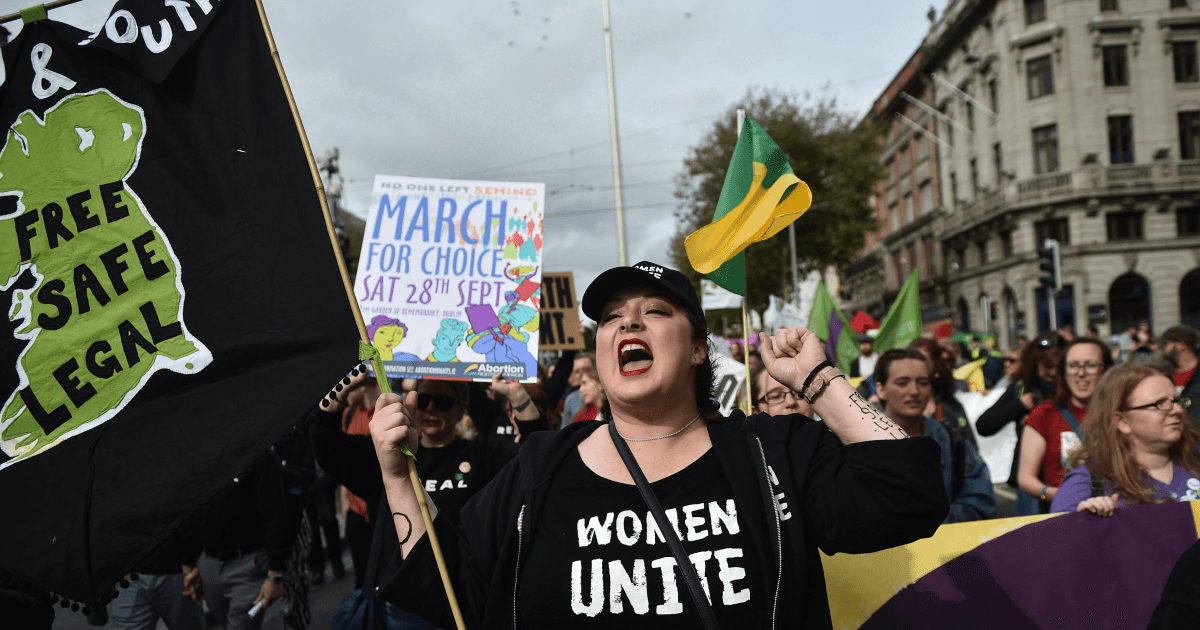

Safe, legal and rare was the promise of pro-abortion campaigners and politicians as Ireland became the first country to legalise abortion through a popular vote in 2018. However, as the statistics show, it is anything but rare, with one in six pregnancies in Ireland ending in abortion in 2025. In 2018, an estimated 2,879 Irish women had abortions; in 2025, it was 10,600. And yet, after 65,000 abortions since the new law took effect, Irish politicians and activists are not satisfied. They continue to push for more liberal legislation and to strip away the few safeguards in place.
For many, Ireland is still the Emerald Isle or the Land of Saints and Scholars, so it is fair to ask: how did we get to this point? Little more than 40 years ago, the 1983 vote that saw the right to life of the unborn enshrined in the Constitution as the Eighth Amendment – which was repealed in 2018 – appeared to give a strong indication of Ireland’s pro-life credentials. Now, however, the fact the vote was needed at all hints at the degree to which the position was under pressure.
Writing at the time, the contrarian Irish Catholic and pro-lifer Desmond Fennell warned of the influence of the largely Dublin-based media. Back in the days when broadcast and print media held real sway, Fennell noted their persistent grievance at the backward nature of Irish life, with the defence of the unborn being a key target. As he put it provocatively, if you were to believe the media, “a minority of nice, reasonable, decent, sensitive, enlightened people are engaged in a struggle on many fronts against a majority of boorish and malevolent rednecks”.
What it meant to be nice was to have a “displayed distaste” for that which prevented Ireland from fitting unnoticeably into the British Isles, and a crusading zeal for the removal of “excrescences” like the Catholic bishops’ teachings on sexual morality, contraception, abortion and divorce. Is this beginning to sound familiar? Ireland’s fatal flaw is a continual fear of what the neighbours think and bending over backwards to fit in. Back in the 1980s, it was with Britain; now, it is Europe.
According to Fennell, “the political struggle between these two forces is what life in Ireland today is really about”. His diagnosis has proved accurate. The struggle remains the same, but unfortunately the positions are reversed. We rednecks are in the minority and do not even have the benefit of a sympathetic media landscape.
Even as far back as 1962, the media was in the grip of a minority of dissidents. Only two out of 16 producers at Ireland’s national broadcaster, RTÉ, were practising Catholics at a time when the vast majority of Irish people were. Our media was not representative, but it was influential, and the positions it pushed for at the time – scepticism, sexual licence, contraception, abortion and so on – have moved from the fringes to the mainstream.
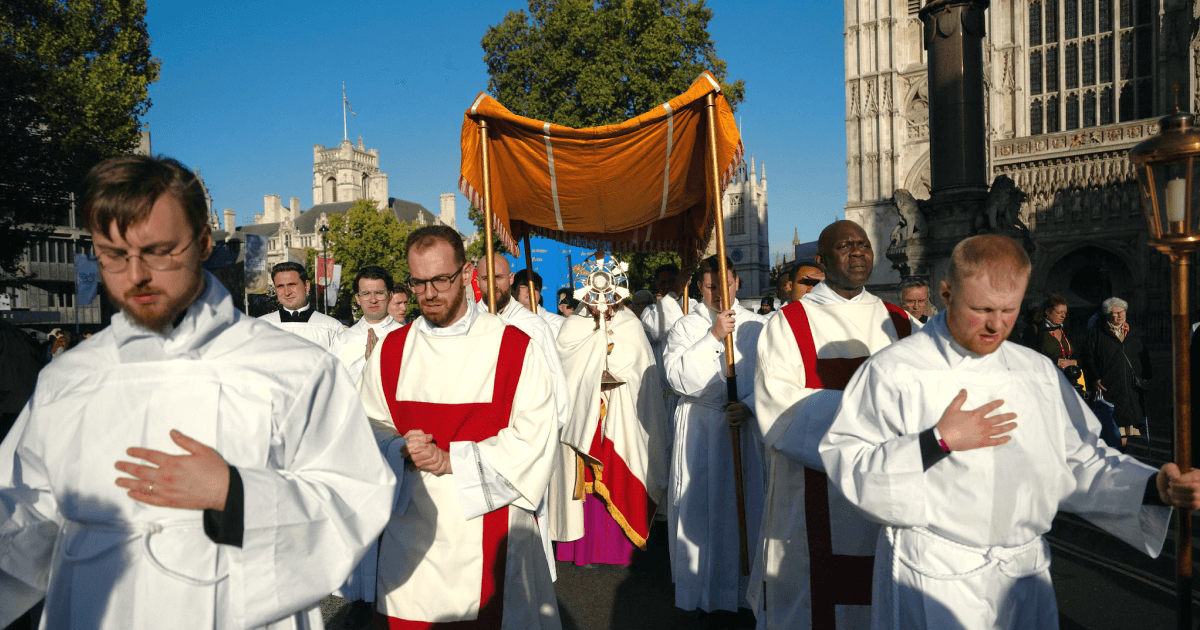
It is not enough, however, to say that those espousing fringe positions were working from a position of strength. We must acknowledge that they were facing a weak opposition, largely due to the failure of the Catholic Church to instil any intellectual rigour in the faithful. As Servant of God Frank Duff put it in the 1970s, the Irish people were not being “inoculated against the modern germs” of secularism and materialism. When the virus took hold, it met little resistance.
It is within this context that the apparently sudden, massive shift from a pro-life culture to a culture of death must be understood. There are few signs that it is slowing down either, as our politicians follow the crowd on euthanasia while pushing for further liberalisation of our abortion laws. Only recently, government leaders voted in favour of an opposition bill to end the three-day wait, after sustained campaigning by the hard Left. This safeguard was designed to prevent women from being coerced into having an abortion by requiring them to wait three days between meeting a doctor to seek a termination and being granted one at a second appointment. It has saved the lives of more than 10,000 children. Reduce the rate of abortion? That must go.
Now that the media and political establishments are largely thinking with one mind, there is no sustained criticism of such decisions. Nor is there any complaint about the complete vacuum of data gathered about who is having abortions and why. It is another nail in the rednecks’ coffin, after all, so why should nice people oppose it?
If I paint a glum picture, you will have to excuse me. The news is decidedly glum – but not without hope. The pro-life movement is largely inspired by Christian ideals, one of the most foundational being the knowledge that good will prevail over evil in the end. Already, there are brave souls out there on the streets, in the media and on social media who are flying the flag for the unborn, the sick and the elderly, doing their best to defend them from our culture of death.
They are the committed nucleus that can achieve so much by patient application to the cause. We can do little more at present than establish good processes, good networks and institutions, a people properly inoculated. Then we go forward under the banner of hope to change the minds of a people who have almost entirely embraced abortion as a necessary modern convenience. We may be rednecks, but God is on our side.