January 27, 2026
January 27, 2026

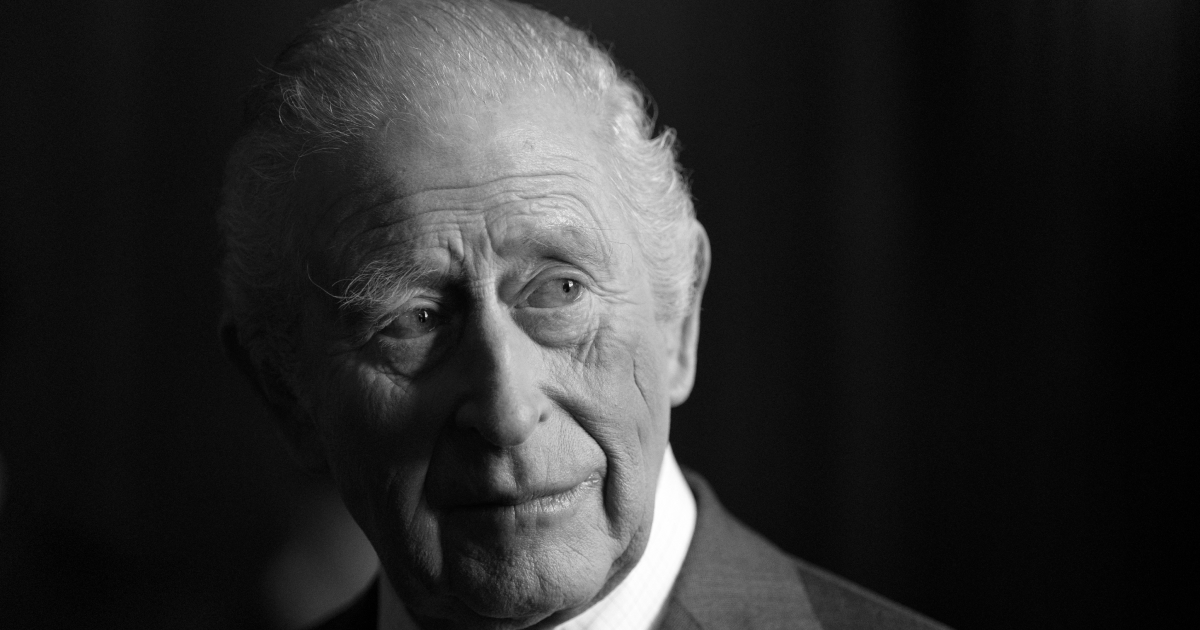
Is King Charles failing his constitutional duty?

Min read
share

Most people understand that in a constitutional monarchy the King has very little real power, if any. But he does have influence, perhaps like no other person. What the King says, and how he says it, can exercise a very powerful influence on public affairs.

Part of the unpopularity that Prince Charles inspired when he was younger came from the fact that he had particular eccentricities that were peculiar to him and did not really resonate with the people he was going to rule.

As time has gone by, both of those eccentricities have in fact developed political overtones in a way that would have been hard to imagine twenty or thirty years ago. Each of them, as it happens, has become political dynamite, and not in a good way.

The first was that he showed a particular sensitivity to ecological issues, allowing himself to be photographed talking to his plants. He became known for his devotion to gardening, the equilibrium of the earth, and all things conservational. What has changed is that what was once conservational concern has, in many cases, turned into absolutist left wing projects pursued by zealots. These threaten to damage the economy and make the poor poorer and the elderly more vulnerable.

The second was that he found himself drawn to Islamic culture in a way that many dismissed as a charming anachronism without any future consequence. Except that Islam has expanded into the West in previously unimaginable numbers, expressing a desire and determination to influence and ultimately dominate. Those places in the world where Islam has come to influence and dominate have not been remotely hospitable to Christians, and not particularly hospitable to democracy.

As it happens, both ecology and Islam, at the beginning of his reign as King, have turned out to have political implications of the most serious kind. They have both begun to exercise a threat to the rights of the people over whom Charles reigns.

Before exploring exactly how that might be, it is worth looking at the constitutional position in terms of the oaths that Charles has sworn as a condition of holding the throne. 

Most people know that the background to this was a struggle between the King and Parliament that began with Henry VIII, worked its way through the English political and civil system, gathered weight through the Tudors and the Stuarts, and finally exploded into civil war, in which the monarchy lost its power and the King lost his head.

Victory was not simple or binary. The English people felt deeply uncomfortable with it and restored the Stuarts to the throne. They soon discovered that they were more afraid of the monarch’s Catholicism than they were of his hankering after the divine right of kings. In 1688 Parliament finally abolished the monarchy as it had been and replaced it with a very tame, neutered, and, more importantly, Protestant version, which they had found operating tolerably well in the Netherlands.

The reason this background matters is that the monarch was required to make particular oaths of commitment to principles that emerged out of this 150 year struggle. It is these oaths which govern Charles’s tenancy of the throne.

The Bill of Rights of 1689 contained a number of important elements, but for present purposes one of the most significant was the requirement to preserve freedom of speech and debate, or proceedings in Parliament.

At the time, of course, the threat to freedom of speech came more from the monarchy than from anywhere else. But circumstances change. There is now a threat to freedom of speech that comes from the ideological fanaticism of the woke left.

The Bill of Rights is not particularly specific about where the threat comes from. It simply requires that the King swear an oath to protect free speech. In the Act of Settlement of 1701, the King promises to defend the established Church and, in particular, to ensure that no foreign ecclesiastical authority has jurisdiction in Britain.

Once again, it is obvious that this was intended to limit the influence of the Pope and Roman Catholicism. But the legislation itself does not care where the threat comes from. What matters is that no foreign religious or ecclesiastical authority should exercise jurisdiction in Britain.

As it happens, when we discover that Islamic mosques are playing a key role in the appointment of police commissioners in major urban conurbations, we have arrived, by a very different route, at precisely that point.

One might make the same claim when pro Palestinian Muslim crowds treat the streets of London as though they own them, shouting for the genocide of the Jews, and are given the gentlest and most favourable treatment in their excitement and determination.

But when independent libertarians demonstrate outside the Iranian embassy against a regime that has murdered tens of thousands of Persian civilians, the police beat them and exercise a very different commitment to civil order.

Two of the most serious threats to this ancient kingdom therefore come, first, from the radical left which is in government. This is a secular utopianism that treats ecology as a new unquestionable religion, legislates against crime while preferring woke mantra to biological science, and takes steps, both professionally and civically, against anyone who disagrees.

The second comes, in religious terms, from the combination of unmonitored illegal immigration and a policing preference shown towards Islam. This has created a threat to the indigenous Christianity of this country. On its present trajectory, it will see the explicit growth of Islam at the very moment that historic Christianity is being undermined, diluted, and treated with disdain.

What should the King do if he wishes to be faithful to his coronation oath?

If he were King in spirit as well as in law, he might give serious consideration to protecting the rights of his people to exercise freedom of speech against the increasing intensification of woke secular control at the hands of a government addicted to crime free legislation.

If he were King in spirit as well as in law, he might give as much personal attention to Lent as he does to Ramadan. More importantly, he might direct his energies towards the promotion of faith in Jesus Christ, and give less energy to favouring the promotion of faith in the Prophet Mohammed.

It is no criticism of kingship to say that fulfilling the monarch’s obligations involves a commitment to values the monarch may or may not feel a deep personal allegiance to. It is, however, the genius of monarchy in this country that the vision and values of the constitutional settlement should always take precedence over the personal preferences of the monarch.

Queen Elizabeth II practised this with exquisite delicacy, and it played a major role in forging the deep affection between her and her people. There was always a sense that she would put her people first as part of her duty to the Crown and the constitutional monarchy.

The same cannot be said of King Charles. He appears to have no difficulty exercising his own preferences, both for the unaccountable international oligarchy of the rich and powerful and for the ecological dogma of the new green religion. It is particularly painful that he seems more affectionately drawn to defend, support, and nurture Islam than to defend, support, and nurture Christianity.

Whether or not he is found accountable for failing to keep faith with his words, the more important judgement will be whether he is found accountable for failing to defend his people.

The twin threats to freedom of speech and the replacement of Christianity by Islam constitute the greatest challenges to our history, our culture, and our way of life that one might imagine. England has lived through bad kings before. Some were weak, some vain, some blinded by private conviction. History is merciless, but it is consistent.

When a monarch places personal enthusiasms above constitutional duty, the crown begins to hollow out from within. The forms remain, but the substance drains away.

If Charles proves unable to defend free speech, unable to protect the spiritual inheritance of the nation, and unwilling to place the people before his preferences, then his reign will be remembered not as a tragedy of intention, but as a tragedy of abdication.

The crown will still sit upon his head. But the kingship will have quietly departed. And England will have crowned not a sovereign, but a King in Name Only.

Most people understand that in a constitutional monarchy the King has very little real power, if any. But he does have influence, perhaps like no other person. What the King says, and how he says it, can exercise a very powerful influence on public affairs.

Part of the unpopularity that Prince Charles inspired when he was younger came from the fact that he had particular eccentricities that were peculiar to him and did not really resonate with the people he was going to rule.

As time has gone by, both of those eccentricities have in fact developed political overtones in a way that would have been hard to imagine twenty or thirty years ago. Each of them, as it happens, has become political dynamite, and not in a good way.

The first was that he showed a particular sensitivity to ecological issues, allowing himself to be photographed talking to his plants. He became known for his devotion to gardening, the equilibrium of the earth, and all things conservational. What has changed is that what was once conservational concern has, in many cases, turned into absolutist left wing projects pursued by zealots. These threaten to damage the economy and make the poor poorer and the elderly more vulnerable.

The second was that he found himself drawn to Islamic culture in a way that many dismissed as a charming anachronism without any future consequence. Except that Islam has expanded into the West in previously unimaginable numbers, expressing a desire and determination to influence and ultimately dominate. Those places in the world where Islam has come to influence and dominate have not been remotely hospitable to Christians, and not particularly hospitable to democracy.

As it happens, both ecology and Islam, at the beginning of his reign as King, have turned out to have political implications of the most serious kind. They have both begun to exercise a threat to the rights of the people over whom Charles reigns.

Before exploring exactly how that might be, it is worth looking at the constitutional position in terms of the oaths that Charles has sworn as a condition of holding the throne. 

Most people know that the background to this was a struggle between the King and Parliament that began with Henry VIII, worked its way through the English political and civil system, gathered weight through the Tudors and the Stuarts, and finally exploded into civil war, in which the monarchy lost its power and the King lost his head.

Victory was not simple or binary. The English people felt deeply uncomfortable with it and restored the Stuarts to the throne. They soon discovered that they were more afraid of the monarch’s Catholicism than they were of his hankering after the divine right of kings. In 1688 Parliament finally abolished the monarchy as it had been and replaced it with a very tame, neutered, and, more importantly, Protestant version, which they had found operating tolerably well in the Netherlands.

The reason this background matters is that the monarch was required to make particular oaths of commitment to principles that emerged out of this 150 year struggle. It is these oaths which govern Charles’s tenancy of the throne.

The Bill of Rights of 1689 contained a number of important elements, but for present purposes one of the most significant was the requirement to preserve freedom of speech and debate, or proceedings in Parliament.

At the time, of course, the threat to freedom of speech came more from the monarchy than from anywhere else. But circumstances change. There is now a threat to freedom of speech that comes from the ideological fanaticism of the woke left.

The Bill of Rights is not particularly specific about where the threat comes from. It simply requires that the King swear an oath to protect free speech. In the Act of Settlement of 1701, the King promises to defend the established Church and, in particular, to ensure that no foreign ecclesiastical authority has jurisdiction in Britain.

Once again, it is obvious that this was intended to limit the influence of the Pope and Roman Catholicism. But the legislation itself does not care where the threat comes from. What matters is that no foreign religious or ecclesiastical authority should exercise jurisdiction in Britain.

As it happens, when we discover that Islamic mosques are playing a key role in the appointment of police commissioners in major urban conurbations, we have arrived, by a very different route, at precisely that point.

One might make the same claim when pro Palestinian Muslim crowds treat the streets of London as though they own them, shouting for the genocide of the Jews, and are given the gentlest and most favourable treatment in their excitement and determination.

But when independent libertarians demonstrate outside the Iranian embassy against a regime that has murdered tens of thousands of Persian civilians, the police beat them and exercise a very different commitment to civil order.

Two of the most serious threats to this ancient kingdom therefore come, first, from the radical left which is in government. This is a secular utopianism that treats ecology as a new unquestionable religion, legislates against crime while preferring woke mantra to biological science, and takes steps, both professionally and civically, against anyone who disagrees.

The second comes, in religious terms, from the combination of unmonitored illegal immigration and a policing preference shown towards Islam. This has created a threat to the indigenous Christianity of this country. On its present trajectory, it will see the explicit growth of Islam at the very moment that historic Christianity is being undermined, diluted, and treated with disdain.

What should the King do if he wishes to be faithful to his coronation oath?

If he were King in spirit as well as in law, he might give serious consideration to protecting the rights of his people to exercise freedom of speech against the increasing intensification of woke secular control at the hands of a government addicted to crime free legislation.

If he were King in spirit as well as in law, he might give as much personal attention to Lent as he does to Ramadan. More importantly, he might direct his energies towards the promotion of faith in Jesus Christ, and give less energy to favouring the promotion of faith in the Prophet Mohammed.

It is no criticism of kingship to say that fulfilling the monarch’s obligations involves a commitment to values the monarch may or may not feel a deep personal allegiance to. It is, however, the genius of monarchy in this country that the vision and values of the constitutional settlement should always take precedence over the personal preferences of the monarch.

Queen Elizabeth II practised this with exquisite delicacy, and it played a major role in forging the deep affection between her and her people. There was always a sense that she would put her people first as part of her duty to the Crown and the constitutional monarchy.

The same cannot be said of King Charles. He appears to have no difficulty exercising his own preferences, both for the unaccountable international oligarchy of the rich and powerful and for the ecological dogma of the new green religion. It is particularly painful that he seems more affectionately drawn to defend, support, and nurture Islam than to defend, support, and nurture Christianity.

Whether or not he is found accountable for failing to keep faith with his words, the more important judgement will be whether he is found accountable for failing to defend his people.

The twin threats to freedom of speech and the replacement of Christianity by Islam constitute the greatest challenges to our history, our culture, and our way of life that one might imagine. England has lived through bad kings before. Some were weak, some vain, some blinded by private conviction. History is merciless, but it is consistent.

When a monarch places personal enthusiasms above constitutional duty, the crown begins to hollow out from within. The forms remain, but the substance drains away.

If Charles proves unable to defend free speech, unable to protect the spiritual inheritance of the nation, and unwilling to place the people before his preferences, then his reign will be remembered not as a tragedy of intention, but as a tragedy of abdication.
The crown will still sit upon his head. But the kingship will have quietly departed. And England will have crowned not a sovereign, but a King in Name Only.

subscribe to
the catholic herald

Continue reading your article with a subscription.
Read 5 articles with our free plan.
Subscribe
share

subscribe to the catholic herald today

Our best content is exclusively available to our subscribers. Subscribe today and gain instant access to expert analysis, in-depth articles, and thought-provoking insights—anytime, anywhere. Don’t miss out on the conversations that matter most.
Subscribe