Continuing a trend begun by Pope Francis, the Pope today named a Religious sister to lead a Vatican dicastery as prefect, ahead of a cardinal who will become the pro-prefect.
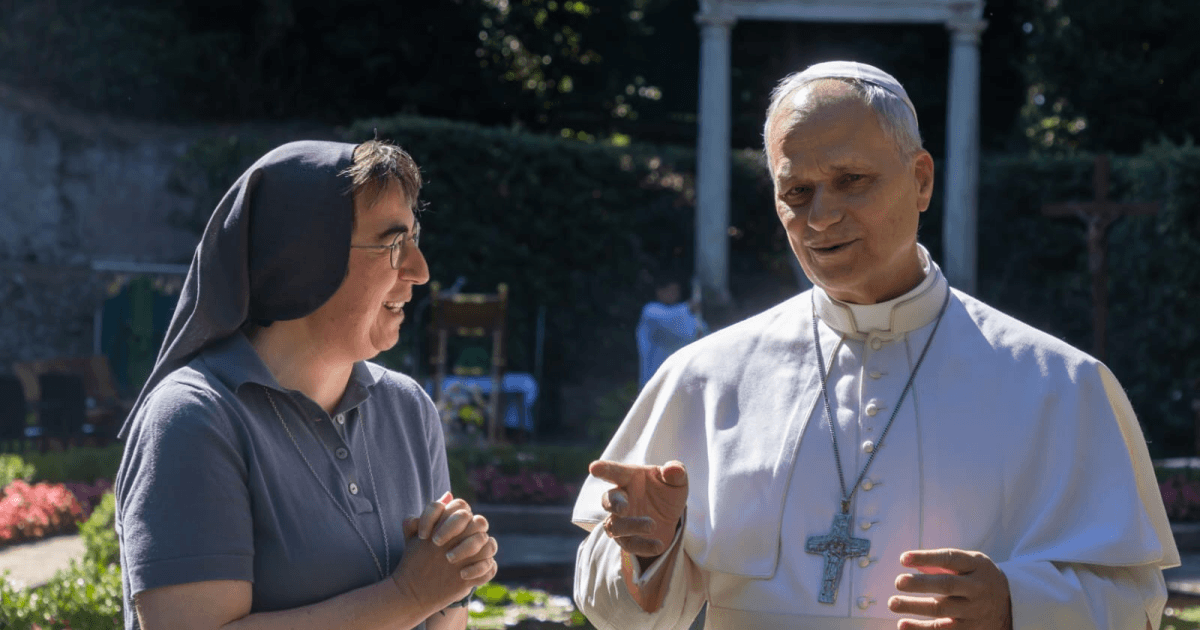
Reliably anticipated beforehand by Messa in Latino, Tuesday’s daily bulletin saw Pope Leo XIV announce Sister Alessandra Smerilli as the incoming prefect of the Dicastery for Promoting Integral Human Development (IHD). She thus replaces outgoing prefect Cardinal Michael Czerny SJ, who turns 80 in July and therefore retires from the post.
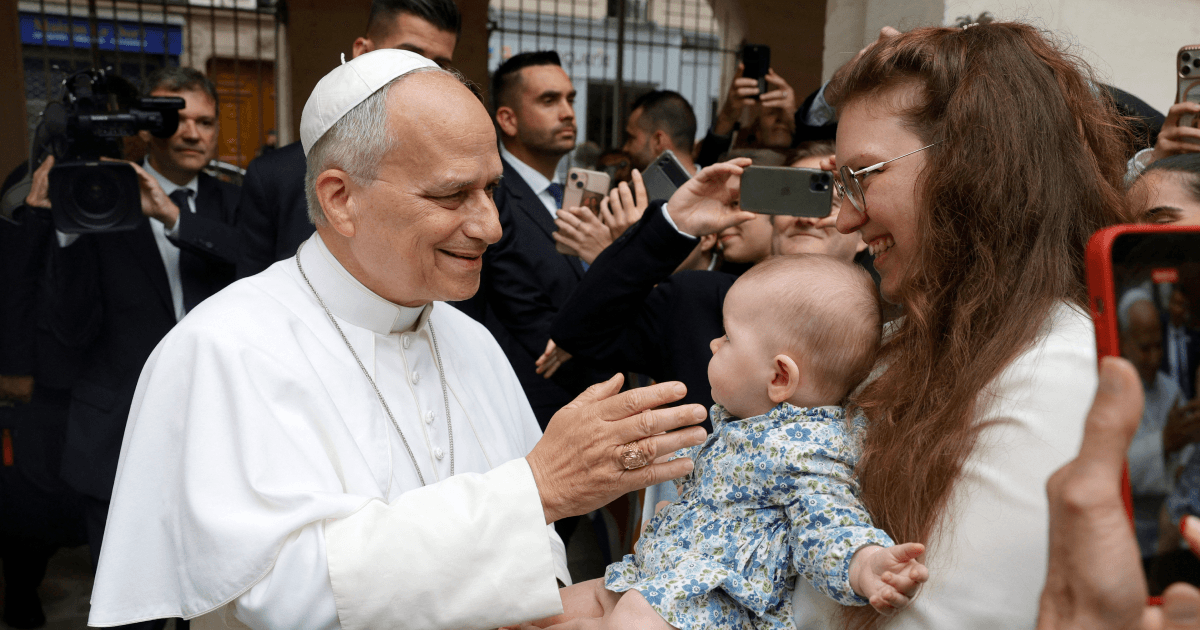
Sister Smerilli had been secretary of the dicastery since 2022, with her five-year term due to expire in early 2027.
Also announced was the nomination of Cardinal Fabio Baggio as pro-prefect of the dicastery, having formerly been one of its two undersecretaries. His fellow undersecretary, Mgr Jozef Barlaš, was elevated to secretary of the dicastery.
All the appointments take effect on September 1, 2026.
With such an arrangement, Pope Leo thus continues a peculiar set-up first instituted by his predecessor in having a Religious woman lead a dicastery as prefect, while a cardinal is made pro-prefect in order to satisfy the requirement of a cleric signing dicasterial documents.
In 2025 Pope Francis named Sister Simona Brambilla prefect of the Dicastery for Institutes of Consecrated Life and Societies of Apostolic Life, while making Cardinal Ángel Fernández Artime pro-prefect of the same dicastery.
At the time, it was viewed as a radical move: not just in terms of having a woman in charge of the dicastery but in having a cardinal as a subordinate despite being higher in sacramental orders.
It was Pope Francis’s 2022 reworking of the Roman Curia via Praedicate evangelium which ushered in the possibility of such change. “Any member of the faithful can preside over a Dicastery or Office, depending on the power of governance and the specific competence and function of the Dicastery or Office in question,” the text declared.
Other women have similarly been named to highly influential positions in the Vatican: Sister Raffaella Petrini, secretary general of the Governorate of Vatican City State; Barbara Jatta, director of the Vatican Museums; Sister Nathalie Becquart, undersecretary of the Synod of Bishops; and Sister Nina Krapić, the new deputy director of the Holy See Press Office. In recent weeks EWTN’s Montse Alvarado was also named incoming prefect of the Dicastery for Communication.
Loud voices pushed for female ordination during the Synod on Synodality and Pope Francis’s answer was to promote women to leadership positions around the Vatican and entertain the ordination debate, whilst also firmly rejecting the possibility of allowing women’s ordination in any form.
When the Vatican rebuked the German bishops recently over their request for lay homilies, those same activists argued that this undermined the Holy See’s recent policy of elevating the status of women’s responsibility in the Church.
With today’s announcement, Pope Leo has shown that he is continuing in Pope Francis’s style when it comes to seeking female governance in the Vatican. Yet at the same time, the peculiar and somewhat farcical nature remains the same, given that in order to elevate a woman to the role there must also be a cardinal pro-prefect.
Thanks largely to Praedicate evangelium, the governance of curial offices was further stripped from the exercise of Holy Orders. Hence why Pope Francis, and now Pope Leo, have named two sisters to lead dicasteries, although curial offices were formerly led by those in Holy Orders and usually by cardinals.
But the dicastery will often have to issue documents pertaining to the life of the Church which require the signature of someone with sacramental authority – in this case, Cardinal Baggio.
While such instances are less common in the Dicastery for Promoting Integral Human Development than in the Dicastery for Institutes of Consecrated Life and Societies of Apostolic Life, it does paint the appointment as a clumsy form of ecclesial DEI more than anything.
According to the dicastery, it “furthers and disseminates the social doctrine of the Church on integral human development, reading in the light of the Gospel the needs of humanity of its time”.
Created by Pope Francis in 2017, the IHD is the closest thing the Vatican has to a social outreach office, and as such has often been linked to more controversial or left-leaning policies on social issues. It is chiefly through this dicastery that the Vatican champions the causes of climate change and immigration.
The IHD has also been linked to a lesser-known controversy involving the World Meeting of Popular Movements (WMPM), given that the dicastery was involved in providing key organisational aid for the 2025 meeting in Rome. According to an in-depth study published by American Catholic research outfit the Lepanto Institute, the WMPM has “consistently served as a platform for uniting self-identified Marxist, Communist, and Socialist organizations under the moral authority of the Catholic Church”.
For those concerned with the traditional composition and structure of the Roman Curia, today’s appointment of Sister Smerilli will doubtless be another blow to the traditional link between Holy Orders and Vatican governance. In contrast, those who cite topics such as “synodal governance” and “increased prominence for women” will take the news as a key commitment to Pope Francis’s revolution.
Michael Haynes is an English journalist in the Holy See Press Corps. He serves as Vatican Correspondent for the Catholic Herald, while readers can follow him at Per Mariam and on X/Twitter @MLJHaynes.


.png)
.png)
.png)
.png)