

When we were young feminists we used to chant the slogan “the personal is political”, but now I’ve come to believe that the personal shouldn’t always be so.
Isn’t it time that anyone who participates in political discourse is reminded of Oxford Union debate rules? It’s about the argument, not the person. Or as they say in the sporting realm: you should play the ball and not the man (or woman).
An element of robust argument, including a tradition of knockabout invective, is part of public and especially political discourse, but the personal aspect of communication on social media has become increasingly vile.

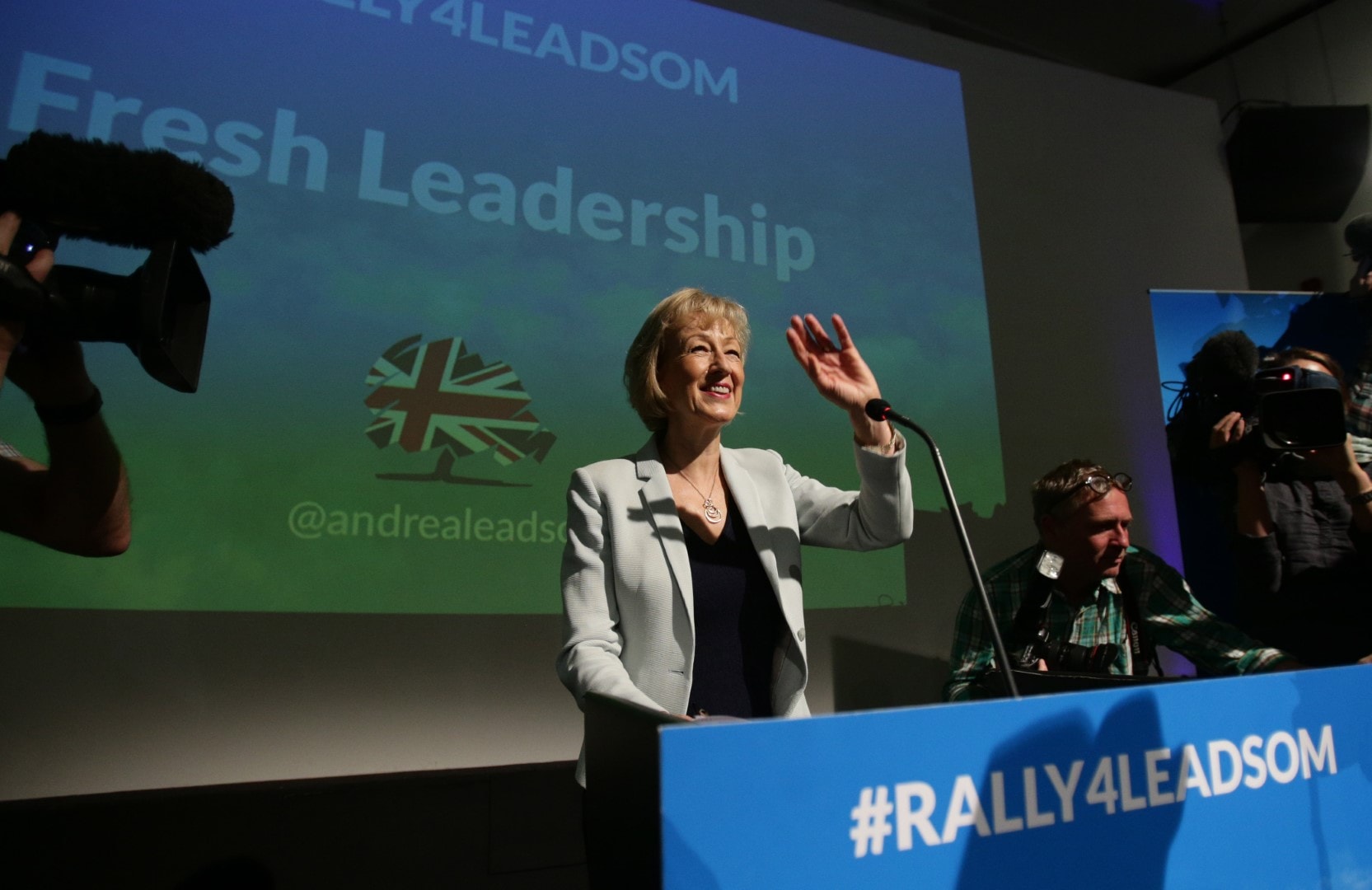
It is clear now that Andrea Leadsom, one of the contenders to be prime minister of this country, was brought down by an avalanche of personal, abusive tweets and email messages. Or, at least, the abusive content helped her to make the decision to withdraw.
It may be that she would not have been the right candidate for the job. But if that is the case, then the arguments should be political, not personal.
She evidently misspoke, herself, when she suggested that as a mother she had more of a stake in the country’s future than her competitor, Theresa May. She erred in this, and recognised her error, too.
But perhaps Mrs Leadsom was herself carried along in the stream of “the personal is political” that has become commonplace.
And perhaps we have all been guilty of it sometimes. When we say that a rich person cannot understand what it is like to be poor; when we claim that a man cannot grasp the grievousness of rape, or the implications of pregnancy; when we put forward the view that you can only understand an experience if you have been personally involved – all this is dragging the personal into the political.
Personal experience can be valuable, but imagination, empathy and intelligence are a crucial part of understanding issues.
It’s sometimes said that celibate priests can’t understand marriage, but I have encountered priests who were more understanding of marital problems because they had sensitivity and observation. And since they had heard the woman’s viewpoint in the confessional, this often made them more open and sympathetic to women.
So let’s call a halt to this mantra that “the personal is political” – it is prompting too much unpleasant, sometimes even vicious, interchanges in the public and electronic realm.
Let’s go back to Oxford Union (and sporting) rules. Play the ball, not the person. The veteran BBC war reporter and world affairs editor John Simpson has said in support of his pro-euthanasia views: “If life is a distasteful burden, why carry on?” He is 71 years old and in good health, but he finds it dismaying when people live through many years of poor health in their later life.
He says he doesn’t care if the Daily Mail or a committee of MPs disapprove of his opinion: if he feels like taking his own life, he will do.
He is entitled to his views, but when admired public characters speak like this, my thoughts immediately go to vulnerable individuals who may be low, depressed or suicidal, and that message – that if life is distasteful, you should end it – may just be that last straw that tips them over the edge.
...
A correspondent to the Daily Telegraph – Margaret Kimberley in Essex – has objected to the use of the word “Brits” as it was a word “employed by IRA terrorists, and ... intended to be rude”.
And yet, it can be cheering when people take possession of a word intended to be pejorative or contemptuous and turn it around into something positive, enduring or even humorous. The word “suffragette” was originally coined to poke fun at female suffragists and hold them up to ridicule. But it was gradually transmogrified into something positive and esteemed, and the suffragettes are now heroines from history (even if lexical purists still stick to “suffragist”.)
“Brit” was indeed intended pejoratively, but I’d suggest it’s become much more good-humoured, affectionate, even jokey.
“Papist” was used originally as a term of disparagement, but I’ve heard it used congenially, even with a tinge of pride.
Visit mary-kenny.com