


I enjoyed the Catholic Herald’s carol service in St James’s, Spanish Place. My older friend Anne and I were in a pew next to a handsome, pale, black-haired, tall man in a tweed coat who sang passionately. Later I found out he was Polish. That explained the passion. Why are Britons hot-headed, dyspeptic and choleric but rarely passionate? Anne is a cradle Catholic who is fortunate enough not only to have met Evelyn Waugh but also to have known Ronald Knox. The latter first came across her when Anne was a small girl attending the nursery at the Assumption convent in Kensington Square. She claims to be “really thick now”, but Fr Ronnie pronounced in 1938 that Anne Wells was by far the most intelligent little girl he had ever met and at three and a half, so advanced that she had already reached the age of reason and was therefore fully capable of sin (I understand the normal age is seven) and fit to make her first Confession. Later, the Assumption moved to Aldenham in Hertfordshire and Fr Ronnie, translating the New Testament under the patronage of Lady Acton, would preach there. Anne and her girlfriends, despite being teenagers by this time, positively looked forward to his sermons on Sundays because “they were so incredibly witty and exciting”. “Give details,” I urged. “He talked to us and not down to us and he talked about us. We just loved them because they left us feeling happy and on the side of good.” After the Herald’s carol service there was a party in the crypt. We met Mgr Keith Newton, who runs the Ordinariate of Our Lady of Walsingham, a cadre of Anglican priests who have gone over to Catholicism but are allowed to remain married. Hmm … something disappointing about this. From a woman’s point of view there’s nothing more exciting than a celibate cleric. It’s something to do with being able to have an intimate relationship similar to romance but not dangerous.
12:00 AM
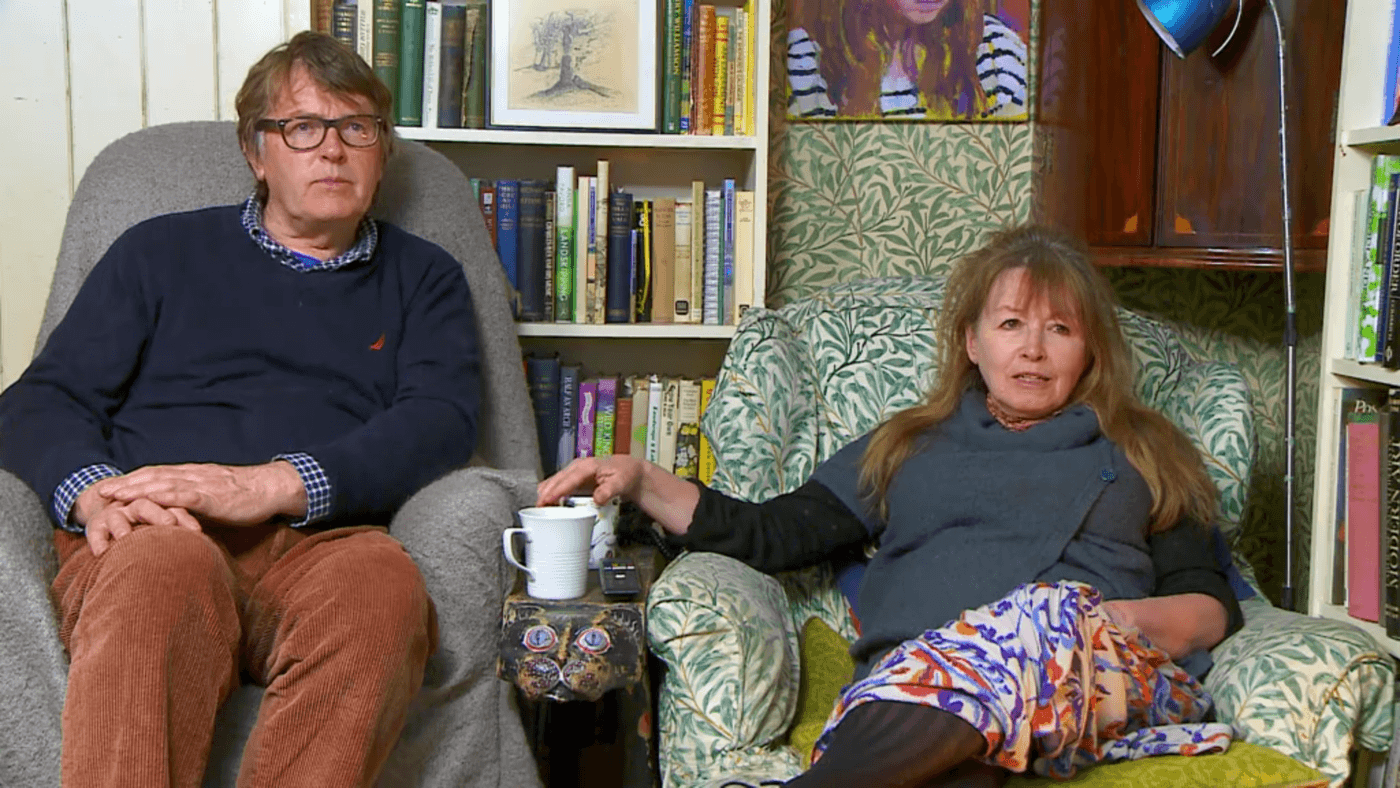
Mary Killen: Watching TV as a job is surprisingly tiring
i enjoyed the catholic herald’s carol service in st james’s, spanish place. my older friend anne and i were in a pew next to a handsome, pal...
The Catholic Herald

5 min read



Already a subscriber? Sign in
5freearticles every month
Continue reading with a free account. No card needed.
- Five free articles every thirty days, on any device you sign in on
- The Catholic Herald newsletter, every morning
- Subscribe whenever you like for everything: every article and the magazine



subscribe to the catholic herald today
Our best content is exclusively available to our subscribers. Subscribe today and gain instant access to expert analysis, in-depth articles, and thought-provoking insights—anytime, anywhere. Don’t miss out on the conversations that matter most.
Subscribe



