








There is a new blood test for women considered at risk of having a baby with Down’s syndrome, which analyses foetal DNA. It has been hailed as a “new, non-invasive test” that would avoid around 98 per cent of the invasive diagnostic procedures currently carried out, such as amniocentesis, and it would help women “make an informed decision regarding possible termination”.
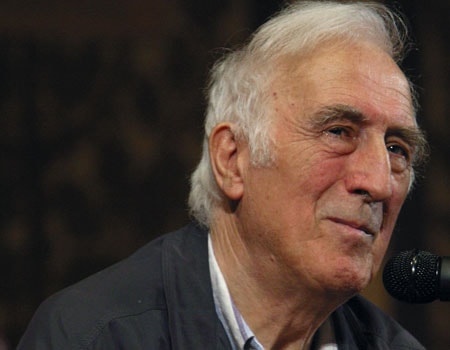
Alongside news of this medical “breakthrough”, I happened to go to a talk yesterday, given by Jean Vanier at Blackfriars, Oxford. Vanier, for those who have not heard of him, is the co-founder of L’Arche, an organisation that welcomes people with a severe learning disability and helps them live alongside their assistants in small, family-style communities. He has spent the last 46 years, when not sharing in the life of his own L’Arche community in Trosly, France, travelling the world and writing books in order to spread the message of L’Arche: the disabled are our brothers and sisters and accepting them, rather than aborting them or hiding them away, is transformative for those who live with them and for society at large.


.png&w=3840&q=75)





