December 17, 2025
December 17, 2025

Nigeria’s Christians are dying

Min read
share

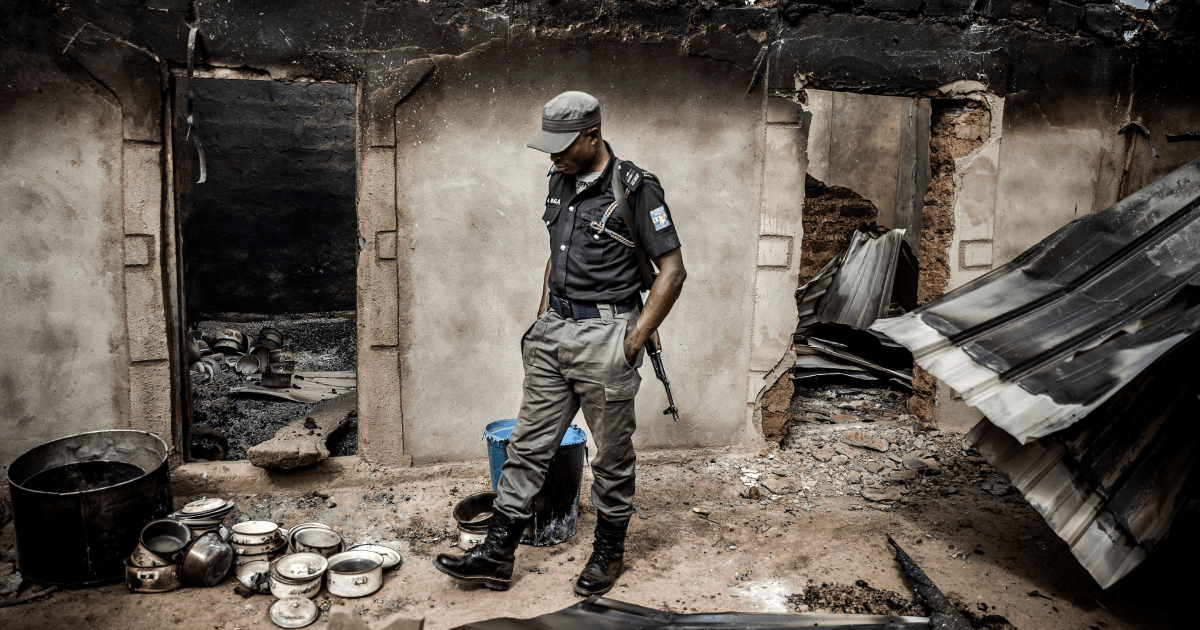
Nigeria has become the most dangerous place in the world to be a Christian, yet much of the international community responds with either indifference or outright denial. The facts are not subtle. Last year alone, more than 3,000 Christians were murdered for their faith and nearly as many were kidnapped. Priests are abducted and executed with chilling frequency. Entire villages have been emptied. Churches stand as burned-out shells. And still, the world mutters about “complexity,” as if the bodies of the dead were footnotes in an academic debate.

This is not a marginal conflict in a forgotten corner of the globe. Nigeria is Africa’s most populous nation, a country of enormous cultural and economic significance, and its religious landscape is central to its identity. When a nation of more than 200 million begins to unravel along religious lines, the consequences extend far beyond its borders. Yet Western governments and media outlets too often treat Christian persecution as an inconvenient narrative rather than a human catastrophe unfolding in plain sight.

The secular instinct to downplay the suffering of Christians has become predictable. When Donald Trump raised alarm about the mass slaughter of believers, the BBC and other outlets leapt not to investigate the killings but to dismantle the claims. They devoted more energy to questioning reports than to acknowledging the victims. In their eagerness to avoid validating a politician they dislike, they effectively erased the martyrs themselves. It is a strange moral calculus that scrutinises spreadsheets more closely than human remains.

Some Nigerian officials and commentators have followed the same pattern, dismissing concerns as imports of far-right rhetoric. But such claims evaporate when confronted with the reality on the ground. The dead do not vanish because a government spokesman says they shouldn’t exist. Their churches remain in ruins. Their families remain displaced. Their killers, in many cases, remain unpunished.

It is impossible to grasp the scale of this crisis without hearing the stories of those who have suffered. In a recent article, Thomas Edwards highlighted the case of Deborah Samuel. She was nineteen when she asked her classmates to stop turning a WhatsApp group into a forum for religious propaganda. For this, she was dragged from police custody, stoned, and burned alive. Only two people were ever charged, and the case was quietly dismissed. A police officer even filmed himself celebrating her murder.

Priests are targeted with ruthless precision. Fr Sylvester Okechukwu was bound and shot in the head at close range. Two years earlier, Fr John Mark Cheitnum, known for his humour and gentleness, was executed simply because his captors feared he walked too slowly. In each case, dioceses responded not with calls for vengeance but with pleas for peace.

Nor are clergy the only targets. In Kano, a seventy-four-year-old grandmother named Bridget Agbahime was beaten to death by a mob for objecting to ritual washing outside her shopfront. She knelt to pray as they killed her. Her murder, like so many others, was met with platitudes rather than justice.

To say the conflict in Nigeria is multifaceted is true; to use that complexity to obscure religious persecution is dishonest. In the northwest, banditry and criminality fuel violence that is not always explicitly religious. But in the northeast, Boko Haram has never hidden its intent to cleanse Christians from the region. And in parts of the Middle Belt, the pattern of attacks is systematic enough to convince senior clergy that Christian communities are being deliberately destabilised and in some cases driven from ancestral lands. Muslims who reject extremism are also in danger, which only underscores that the violence is ideological, not merely tribal.

What makes the denial so troubling is that it deprives suffering people of the two things they most urgently need: recognition and help. Silence does not solve anything. It simply ensures the perpetrators operate without scrutiny. Nigeria’s Christians deserve to have their stories told, their wounds acknowledged, and their dead honoured. They deserve to know the global Church has not abandoned them.

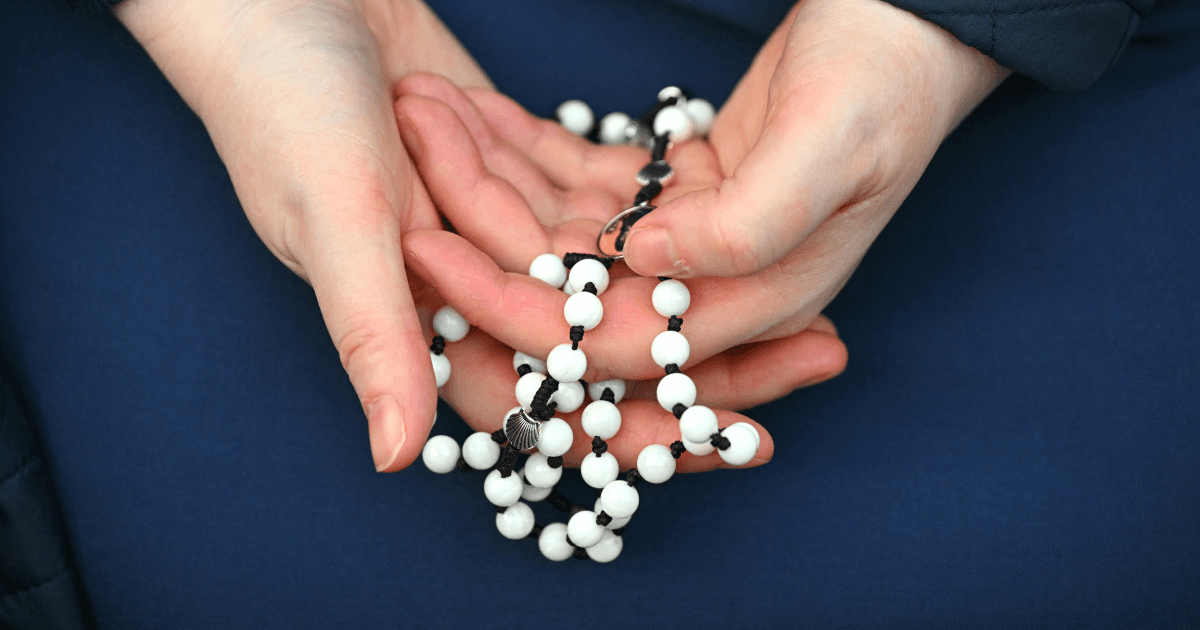
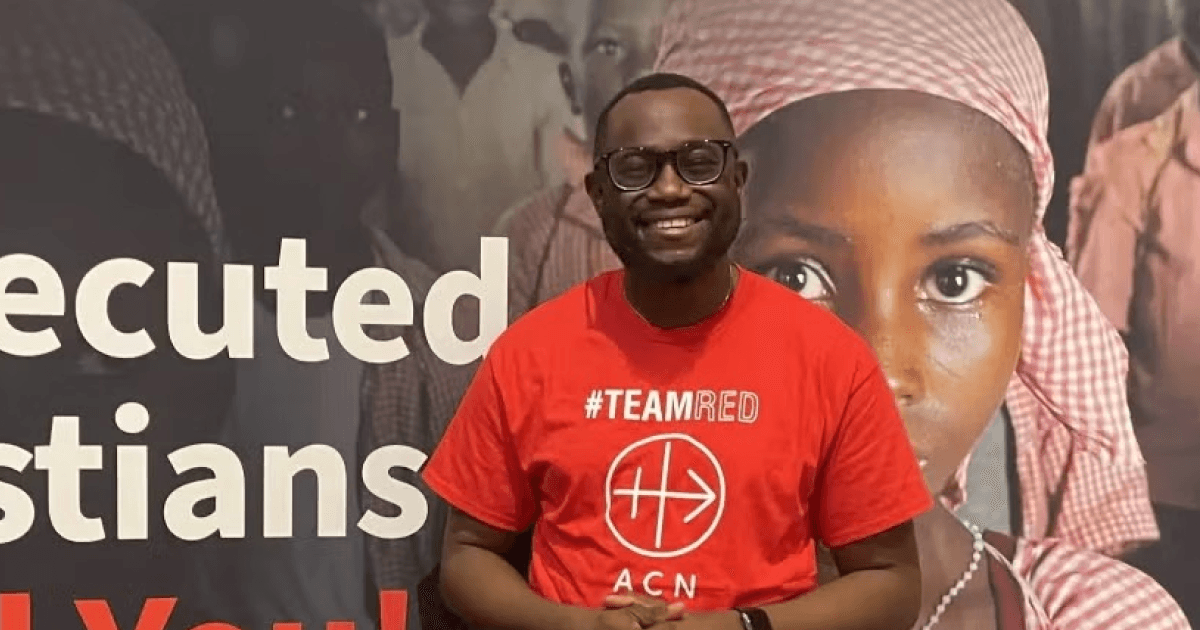
For Catholics and all Christians, prayer is the first and most essential response. Not vague sympathy, but intentional intercession for those who face danger every day for professing Christ. Alongside prayer must come material support for the organisations already labouring on the ground, especially Aid to the Church in Need and others providing shelter, trauma care, and pastoral help.

But charity alone is not enough. Political pressure matters. Writing to elected representatives, demanding that governments treat religious persecution as a priority, insisting that media outlets report accurately rather than ideologically—these are concrete acts of solidarity. They remind both officials and journalists that the world is watching and that the victims of Nigerian violence will not be erased by narrative convenience.

The Christians of Nigeria are living a reality the West prefers not to contemplate. They are today’s martyrs, though the world seldom calls them that. Their witness is costly, and their suffering is immense. If those of us who live in safety refuse to speak, refuse to pray, refuse to act, then we have chosen the comfort of silence over the demands of justice.

They deserve better than our silence.

Nigeria has become the most dangerous place in the world to be a Christian, yet much of the international community responds with either indifference or outright denial. The facts are not subtle. Last year alone, more than 3,000 Christians were murdered for their faith and nearly as many were kidnapped. Priests are abducted and executed with chilling frequency. Entire villages have been emptied. Churches stand as burned-out shells. And still, the world mutters about “complexity,” as if the bodies of the dead were footnotes in an academic debate.

This is not a marginal conflict in a forgotten corner of the globe. Nigeria is Africa’s most populous nation, a country of enormous cultural and economic significance, and its religious landscape is central to its identity. When a nation of more than 200 million begins to unravel along religious lines, the consequences extend far beyond its borders. Yet Western governments and media outlets too often treat Christian persecution as an inconvenient narrative rather than a human catastrophe unfolding in plain sight.

The secular instinct to downplay the suffering of Christians has become predictable. When Donald Trump raised alarm about the mass slaughter of believers, the BBC and other outlets leapt not to investigate the killings but to dismantle the claims. They devoted more energy to questioning reports than to acknowledging the victims. In their eagerness to avoid validating a politician they dislike, they effectively erased the martyrs themselves. It is a strange moral calculus that scrutinises spreadsheets more closely than human remains.

Some Nigerian officials and commentators have followed the same pattern, dismissing concerns as imports of far-right rhetoric. But such claims evaporate when confronted with the reality on the ground. The dead do not vanish because a government spokesman says they shouldn’t exist. Their churches remain in ruins. Their families remain displaced. Their killers, in many cases, remain unpunished.

It is impossible to grasp the scale of this crisis without hearing the stories of those who have suffered. In a recent article, Thomas Edwards highlighted the case of Deborah Samuel. She was nineteen when she asked her classmates to stop turning a WhatsApp group into a forum for religious propaganda. For this, she was dragged from police custody, stoned, and burned alive. Only two people were ever charged, and the case was quietly dismissed. A police officer even filmed himself celebrating her murder.

Priests are targeted with ruthless precision. Fr Sylvester Okechukwu was bound and shot in the head at close range. Two years earlier, Fr John Mark Cheitnum, known for his humour and gentleness, was executed simply because his captors feared he walked too slowly. In each case, dioceses responded not with calls for vengeance but with pleas for peace.

Nor are clergy the only targets. In Kano, a seventy-four-year-old grandmother named Bridget Agbahime was beaten to death by a mob for objecting to ritual washing outside her shopfront. She knelt to pray as they killed her. Her murder, like so many others, was met with platitudes rather than justice.

To say the conflict in Nigeria is multifaceted is true; to use that complexity to obscure religious persecution is dishonest. In the northwest, banditry and criminality fuel violence that is not always explicitly religious. But in the northeast, Boko Haram has never hidden its intent to cleanse Christians from the region. And in parts of the Middle Belt, the pattern of attacks is systematic enough to convince senior clergy that Christian communities are being deliberately destabilised and in some cases driven from ancestral lands. Muslims who reject extremism are also in danger, which only underscores that the violence is ideological, not merely tribal.

What makes the denial so troubling is that it deprives suffering people of the two things they most urgently need: recognition and help. Silence does not solve anything. It simply ensures the perpetrators operate without scrutiny. Nigeria’s Christians deserve to have their stories told, their wounds acknowledged, and their dead honoured. They deserve to know the global Church has not abandoned them.

For Catholics and all Christians, prayer is the first and most essential response. Not vague sympathy, but intentional intercession for those who face danger every day for professing Christ. Alongside prayer must come material support for the organisations already labouring on the ground, especially Aid to the Church in Need and others providing shelter, trauma care, and pastoral help.

But charity alone is not enough. Political pressure matters. Writing to elected representatives, demanding that governments treat religious persecution as a priority, insisting that media outlets report accurately rather than ideologically—these are concrete acts of solidarity. They remind both officials and journalists that the world is watching and that the victims of Nigerian violence will not be erased by narrative convenience.

The Christians of Nigeria are living a reality the West prefers not to contemplate. They are today’s martyrs, though the world seldom calls them that. Their witness is costly, and their suffering is immense. If those of us who live in safety refuse to speak, refuse to pray, refuse to act, then we have chosen the comfort of silence over the demands of justice.

They deserve better than our silence.

share

subscribe to the catholic herald today

Our best content is exclusively available to our subscribers. Subscribe today and gain instant access to expert analysis, in-depth articles, and thought-provoking insights—anytime, anywhere. Don’t miss out on the conversations that matter most.
Subscribe