
February 17, 2026

Notre Dame appointment criticised by bishop over professor’s pro-abortion stance

The Catholic Herald
More
Related
Min read
share

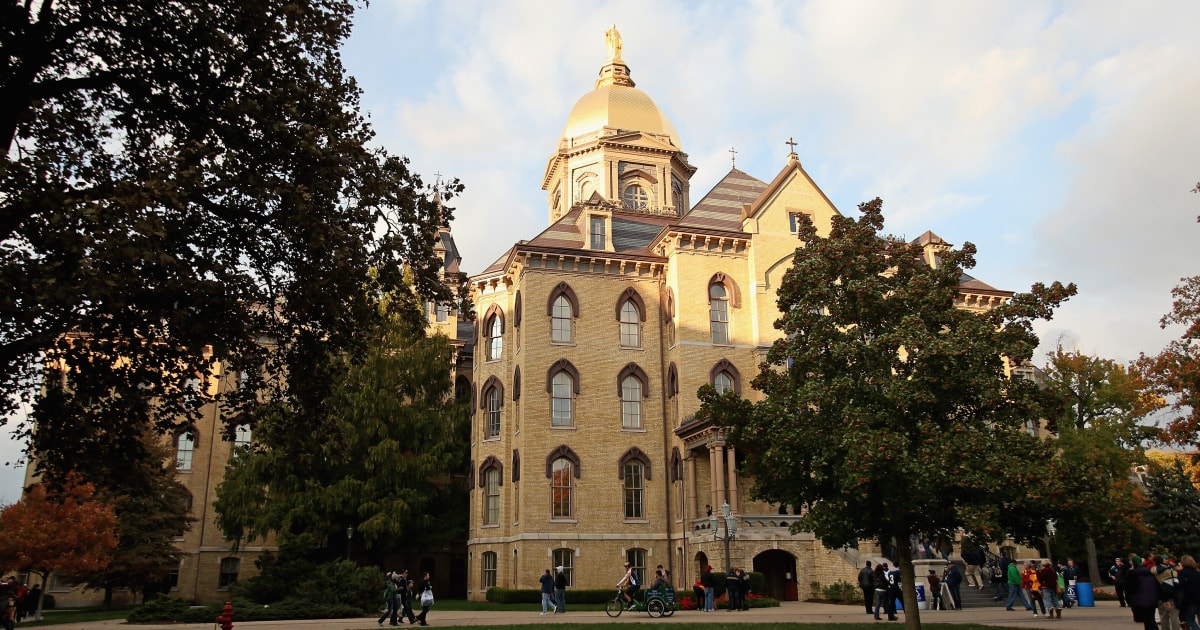
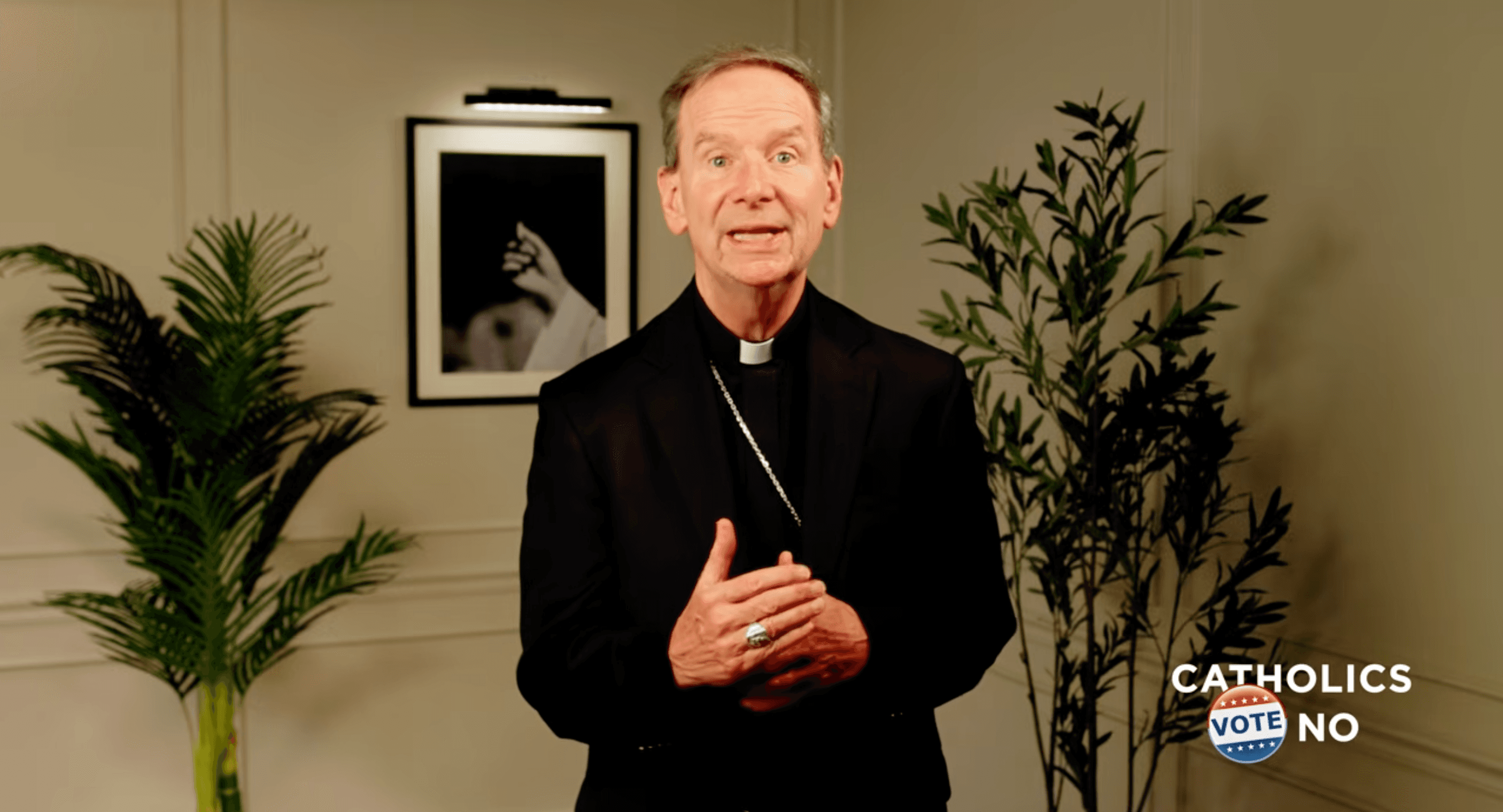
The bishop of Fort Wayne-South Bend has criticised the University of Notre Dame over its decision to appoint a professor who has publicly supported abortion rights to lead one of its academic institutes, prompting a widening response from other American bishops.

Kevin Rhoades issued a statement last week expressing what he described as his “dismay” and “strong opposition” to the appointment of Prof Susan Ostermann as director of the Liu Institute for Asia and Asian Studies. He said the decision had caused “confusion in the public mind” about the university’s fidelity to its Catholic mission and called on the institution to reconsider before the appointment takes effect on 1 July.
Ostermann, an associate professor of global affairs at Notre Dame’s Keough School, is due to succeed Michel Hockx, who has led the institute since 2016. She joined the university in 2017 and has served as a faculty fellow of the Liu Institute. Her academic work focuses on South Asian politics and regulatory compliance, including research on forestry conservation in India and Nepal and disaster mitigation in US territories funded by the National Science Foundation.

The controversy centres on articles she co-authored in 2022 in which she argued in favour of legal abortion. In one essay, written with former Notre Dame professor Tamara Kay, the authors contended that “almost 90 per cent of abortions occur during the first 10 weeks of pregnancy when there are no babies or fetuses”, and described abortion as safe, maintaining that it did not have long-term physical or mental health consequences. In another piece, they wrote that “criminalising abortion results in irreparable harm” and characterised abortion access as “freedom-enhancing”, arguing that it respected “the inherent dignity of women”.

At the time of publication, the university’s then president, Fr John Jenkins, responded in a letter to the student newspaper the Observer. He said: “Tamara Kay and Susan Ostermann are, of course, free to express their opinions on our campus or in any public forum. Because they choose to identify themselves as Notre Dame faculty members, I write to state unequivocally that their essay does not reflect the views and values of the University of Notre Dame in its tone, arguments or assertions.”

In his latest statement, Bishop Rhoades said that Ostermann’s “vocal advocacy for legal abortion” should “disqualify her from an administrative and leadership role at a Catholic university”. He added that while academic freedom protects the liberty of faculty to conduct research according to professional judgement, “this appointment, by contrast, concerns the official administrative appointment to lead an academic unit”, which he said had a direct bearing on the university’s public witness.

“Many faculty, students, alumni and benefactors of Notre Dame have reached out to me to express their shock, sadness, confusion and disappointment,” he said, adding that there was “still time” for the university to “make things right” before the new director assumes her post.

His intervention was quickly supported by several other bishops. James Wall of Gallup commended Bishop Rhoades and cited a remark attributed to Pope Leo XIV: “We cannot build a just society if we discard the weakest, whether the child in the womb or the old man in his fragility, for both are gifts from God.” Salvatore Cordileone thanked Rhoades for “speaking up” and invoked the intercession of the Blessed Virgin Mary for the university. David Ricken said he “fully affirm[s] and stand[s] in solidarity” with his brother bishop, praising his “clarity, courage and fidelity to the Church’s mission”.

Donald Hying described Rhoades’ statement as “a profound reflection on human dignity and the culture of life”, while James Conley said he “stand[s] in support of Bishop Rhoades” and shared his concern over the appointment, adding that Catholic institutions “must faithfully reflect the truth of the dignity of every human life in both their mission and their leadership”.

The university has defended its decision. In a statement, a spokesman said, “Prof Susan Ostermann is a highly regarded political scientist and legal scholar whose insightful research on regulatory compliance – from forestry conservation in India and Nepal to NSF-funded disaster mitigation in the US territories – demonstrates the rigorous, interdisciplinary expertise required to lead the Liu Institute.” The statement added that those in leadership positions act “with the clear understanding that their decision-making as leaders must be guided by and consistent with the University’s Catholic mission” and insisted that Notre Dame’s commitment to “the inherent dignity of the human person and the sanctity of life at every stage is unwavering”.

Writing separately to the Observer, Ostermann said, “As I step into this role, my primary focus is to serve as a steward for the Liu Institute mission in the context of the University’s larger mission, and a facilitator for our world-class faculty.” She added: “While I hold my own convictions on complex social and legal issues, I want to be clear: my role is to support the diverse research of our scholars and students, not to advance a personal political agenda.” She also said she respected the university’s institutional position on the sanctity of life at every stage.

The dispute has drawn comment beyond the episcopate. In the journal First Things, Prof Emeritus Fr Wilson Miscamble said the decision “explicitly repudiated” the university’s commitment to ensuring that its Catholic character informs all its endeavours. He wrote that he had contacted members of the university’s Board of Fellows, its highest governing body, asking them to exercise their responsibility to uphold the institution’s Catholic identity.

Notre Dame’s own 2010 Institutional Statement Supporting the Choice for Life affirms that the university “recognises and upholds the sanctity of human life from conception to natural death”.

The bishop of Fort Wayne-South Bend has criticised the University of Notre Dame over its decision to appoint a professor who has publicly supported abortion rights to lead one of its academic institutes, prompting a widening response from other American bishops.

Kevin Rhoades issued a statement last week expressing what he described as his “dismay” and “strong opposition” to the appointment of Prof Susan Ostermann as director of the Liu Institute for Asia and Asian Studies. He said the decision had caused “confusion in the public mind” about the university’s fidelity to its Catholic mission and called on the institution to reconsider before the appointment takes effect on 1 July.
Ostermann, an associate professor of global affairs at Notre Dame’s Keough School, is due to succeed Michel Hockx, who has led the institute since 2016. She joined the university in 2017 and has served as a faculty fellow of the Liu Institute. Her academic work focuses on South Asian politics and regulatory compliance, including research on forestry conservation in India and Nepal and disaster mitigation in US territories funded by the National Science Foundation.

The controversy centres on articles she co-authored in 2022 in which she argued in favour of legal abortion. In one essay, written with former Notre Dame professor Tamara Kay, the authors contended that “almost 90 per cent of abortions occur during the first 10 weeks of pregnancy when there are no babies or fetuses”, and described abortion as safe, maintaining that it did not have long-term physical or mental health consequences. In another piece, they wrote that “criminalising abortion results in irreparable harm” and characterised abortion access as “freedom-enhancing”, arguing that it respected “the inherent dignity of women”.

At the time of publication, the university’s then president, Fr John Jenkins, responded in a letter to the student newspaper the Observer. He said: “Tamara Kay and Susan Ostermann are, of course, free to express their opinions on our campus or in any public forum. Because they choose to identify themselves as Notre Dame faculty members, I write to state unequivocally that their essay does not reflect the views and values of the University of Notre Dame in its tone, arguments or assertions.”

In his latest statement, Bishop Rhoades said that Ostermann’s “vocal advocacy for legal abortion” should “disqualify her from an administrative and leadership role at a Catholic university”. He added that while academic freedom protects the liberty of faculty to conduct research according to professional judgement, “this appointment, by contrast, concerns the official administrative appointment to lead an academic unit”, which he said had a direct bearing on the university’s public witness.

“Many faculty, students, alumni and benefactors of Notre Dame have reached out to me to express their shock, sadness, confusion and disappointment,” he said, adding that there was “still time” for the university to “make things right” before the new director assumes her post.

His intervention was quickly supported by several other bishops. James Wall of Gallup commended Bishop Rhoades and cited a remark attributed to Pope Leo XIV: “We cannot build a just society if we discard the weakest, whether the child in the womb or the old man in his fragility, for both are gifts from God.” Salvatore Cordileone thanked Rhoades for “speaking up” and invoked the intercession of the Blessed Virgin Mary for the university. David Ricken said he “fully affirm[s] and stand[s] in solidarity” with his brother bishop, praising his “clarity, courage and fidelity to the Church’s mission”.

Donald Hying described Rhoades’ statement as “a profound reflection on human dignity and the culture of life”, while James Conley said he “stand[s] in support of Bishop Rhoades” and shared his concern over the appointment, adding that Catholic institutions “must faithfully reflect the truth of the dignity of every human life in both their mission and their leadership”.

The university has defended its decision. In a statement, a spokesman said, “Prof Susan Ostermann is a highly regarded political scientist and legal scholar whose insightful research on regulatory compliance – from forestry conservation in India and Nepal to NSF-funded disaster mitigation in the US territories – demonstrates the rigorous, interdisciplinary expertise required to lead the Liu Institute.” The statement added that those in leadership positions act “with the clear understanding that their decision-making as leaders must be guided by and consistent with the University’s Catholic mission” and insisted that Notre Dame’s commitment to “the inherent dignity of the human person and the sanctity of life at every stage is unwavering”.

Writing separately to the Observer, Ostermann said, “As I step into this role, my primary focus is to serve as a steward for the Liu Institute mission in the context of the University’s larger mission, and a facilitator for our world-class faculty.” She added: “While I hold my own convictions on complex social and legal issues, I want to be clear: my role is to support the diverse research of our scholars and students, not to advance a personal political agenda.” She also said she respected the university’s institutional position on the sanctity of life at every stage.

The dispute has drawn comment beyond the episcopate. In the journal First Things, Prof Emeritus Fr Wilson Miscamble said the decision “explicitly repudiated” the university’s commitment to ensuring that its Catholic character informs all its endeavours. He wrote that he had contacted members of the university’s Board of Fellows, its highest governing body, asking them to exercise their responsibility to uphold the institution’s Catholic identity.

Notre Dame’s own 2010 Institutional Statement Supporting the Choice for Life affirms that the university “recognises and upholds the sanctity of human life from conception to natural death”.

subscribe to
the catholic herald

Continue reading your article with a subscription.
Read 5 articles with our free plan.
Subscribe

subscribe to the catholic herald today

Our best content is exclusively available to our subscribers. Subscribe today and gain instant access to expert analysis, in-depth articles, and thought-provoking insights—anytime, anywhere. Don’t miss out on the conversations that matter most.
Subscribe