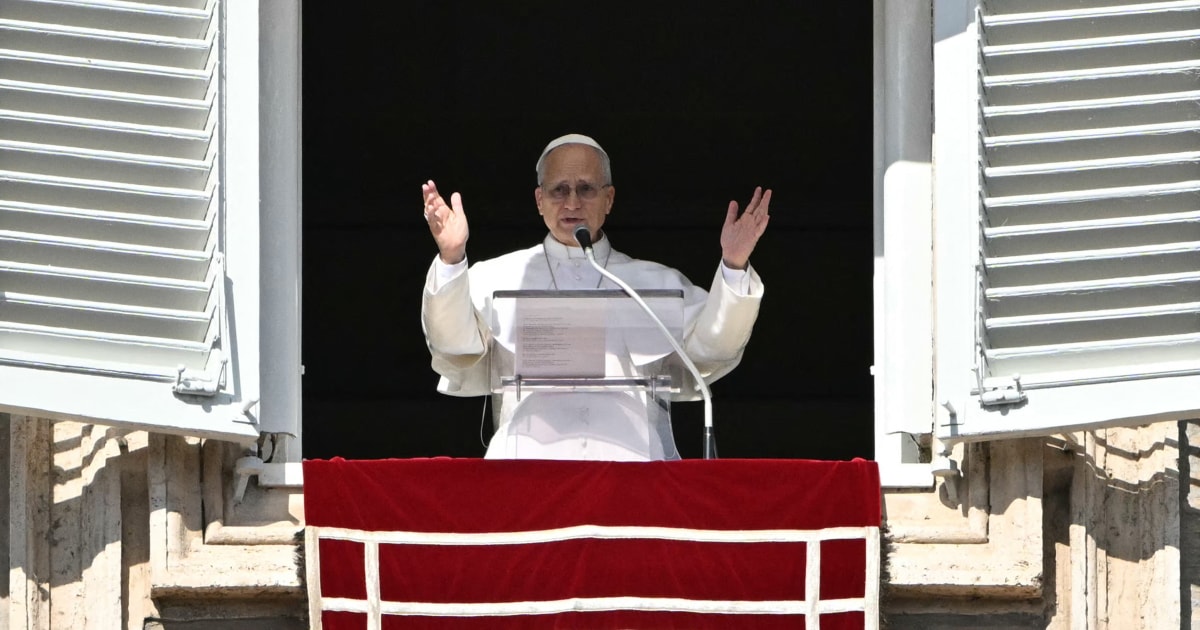


The Vatican has reaffirmed the existing leadership of the body responsible for advising the Pope on the appointment of bishops by largely reconfirming members first chosen under Pope Francis.
In a press bulletin issued on 14 February, the Holy See announced that Pope Leo XIV had appointed Sister Simona Brambilla, Prefect of the Dicastery for Institutes of Consecrated Life and Societies of Apostolic Life, as a member of the Dicastery for Bishops. At the same time, he confirmed in office a broad group of cardinals, archbishops, bishops, Religious and lay figures already serving the dicastery.
The statement said that the Holy Father had “appointed Reverend Sister Simona Brambilla, MC, Prefect of the Dicastery for Institutes of Consecrated Life and Societies of Apostolic Life, as a Member of the Dicastery for Bishops” and had “confirmed as Members of the aforementioned Curial Institution” the prelates and others previously named.
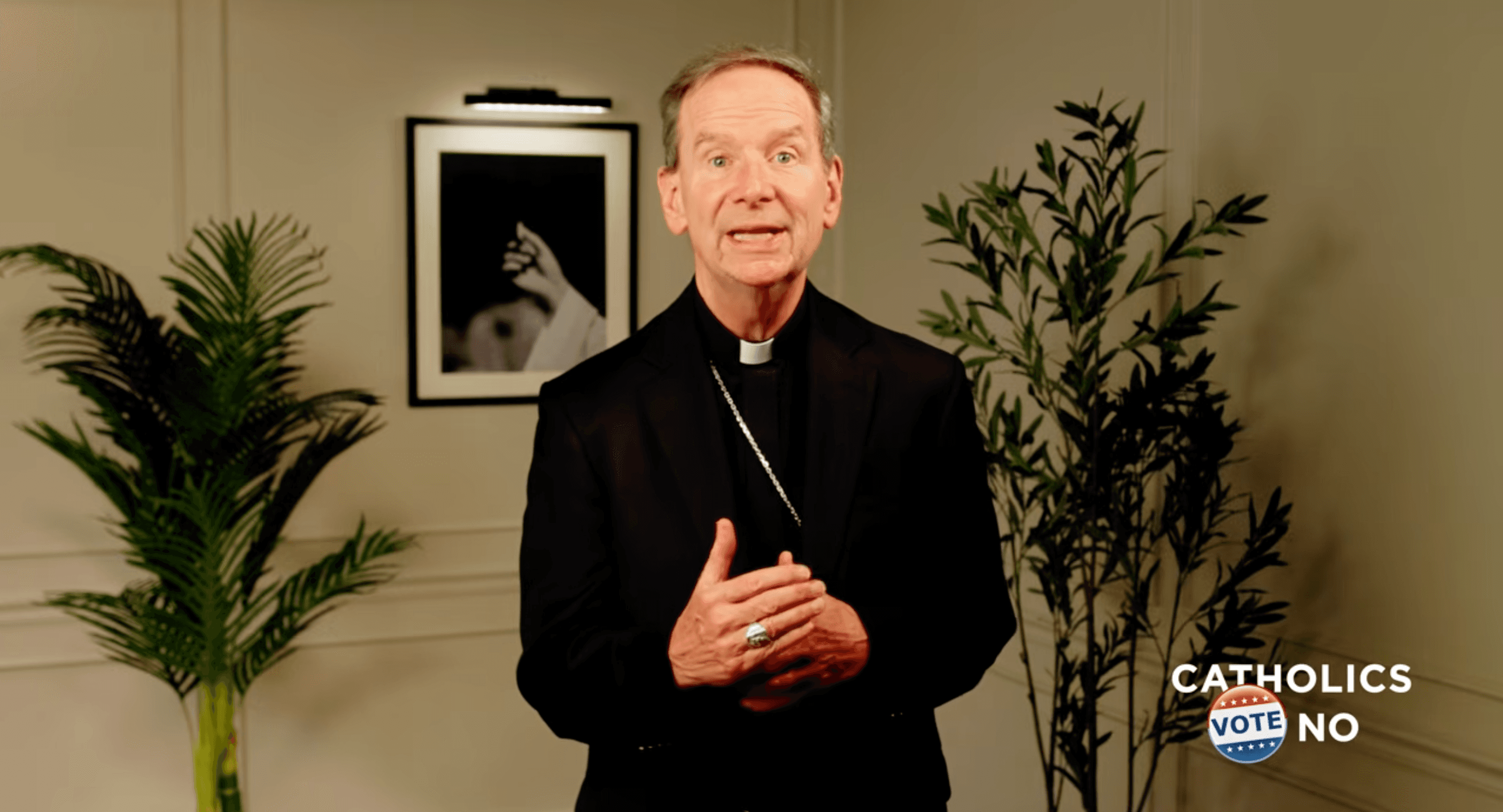
Among the cardinals confirmed are Pietro Parolin, Secretary of State; Kurt Koch, Prefect of the Dicastery for Promoting Christian Unity; João Braz de Aviz, Prefect Emeritus of the Dicastery for Institutes of Consecrated Life and Societies of Apostolic Life; Sérgio da Rocha, Archbishop of São Salvador da Bahia; Blase Joseph Cupich, Archbishop of Chicago; Joseph William Tobin, Archbishop of Newark; Juan José Omella Omella, Archbishop of Barcelona; Anders Arborelius, Bishop of Stockholm; José F. Advincula, Archbishop of Manila; Augusto Paolo Lojudice, Archbishop of Siena and Bishop of Montepulciano; Jean-Marc Aveline, Archbishop of Marseille; Oscar Cantoni, Bishop of Como; Grzegorz Ryś, Archbishop of Kraków; José Cobo Cano, Archbishop of Madrid; José Tolentino de Mendonça, Prefect of the Dicastery for Culture and Education; Mario Grech, Secretary General of the Synod; Arthur Roche, Prefect of the Dicastery for Divine Worship and the Discipline of the Sacraments; Lazzaro You Heung-sik, Prefect of the Dicastery for the Clergy; Claudio Gugerotti, Prefect of the Dicastery for the Oriental Churches; Víctor Manuel Fernández, Prefect of the Dicastery for the Doctrine of the Faith; Paul Emil Tscherrig, Apostolic Nuncio; and Rolandas Makrickas, Archpriest of the Papal Basilica of Saint Mary Major.
The Holy See also confirmed as members several archbishops and bishops, including Dražen Kutleša of Zagreb; Jorge Ignacio García Cuerva of Buenos Aires; Felix Genn, Bishop Emeritus of Münster; Paul Desmond Tighe, Secretary of the Dicastery for Culture and Education; José Antonio Satué Huerto of Málaga; and Abbot Donato Ogliari of the Monastery of Saint Paul Outside the Walls.
The Dicastery for Bishops plays a central role in overseeing the process by which bishops are selected and examining the governance of dioceses in the Church.
According to the Holy See, its responsibilities include dealing with “all matters pertaining to the establishment and provision of particular Churches and to the exercise of the episcopal office in the Latin Church”. It considers proposals submitted by local Churches, bishops’ conferences and pontifical representatives, and prepares recommendations to the Pope regarding the appointment of diocesan and titular bishops and apostolic administrators.
In the ordinary course of events, apostolic nuncios gather information on potential candidates in consultation with bishops and others. Detailed reports are sent to Rome, where officials of the dicastery examine the material before presenting it to the members in plenary session. After discussion and a vote, recommendations are forwarded to the Pope, who makes the final decision.
The dicastery is also responsible for matters relating to the modification, division or suppression of dioceses and ecclesiastical provinces, and it handles the resignations of bishops in accordance with canonical norms. It assists in the organisation of bishops’ quinquennial ad limina visits to Rome and cooperates with other curial departments where questions overlap.
The department traces its origins to the reforms of Pope Sixtus V in the 16th century, when the Sacred Consistorial Congregation was established to assist in the governance of dioceses and the provision of bishops. It later became known as the Congregation for Bishops and assumed its present title following the promulgation of the apostolic constitution Praedicate Evangelium in 2022, which reorganised the Roman Curia.
The decision to reconfirm the majority of members appointed during the previous pontificate indicates that confidence in the existing composition of the dicastery remains, confirming the current members while adding new members such as Sister Brambilla. In doing so, Pope Leo XIV appears to continue the reform programme initiated during the pontificate of Pope Francis.
The signal Pope Leo XIV has given, at least for now, is one of continuity rather than rapid change that might cause disruption within the body that determines the Church’s future bishops. That decision alone reveals a great deal about how the Pope intends to govern. The effect appears to be the preservation of the existing group already established within the Roman structures.
What makes the reconfirmation noteworthy is Pope Leo’s early governance. Unlike Pope Francis, who governed the Curia with a distinctly Jesuit administrative approach, Leo has so far governed with restraint and through existing personnel, operating within established curial structures rather than around them.
The question that arises is whether Pope Leo, by retaining members largely associated with the emphases of the previous pontificate, is signalling confidence in that trajectory or, at the very least, a desire not to unsettle it abruptly.
It would be premature to draw definitive conclusions. While membership of the Dicastery for Bishops is important, the positions of prefect and secretary carry greater weight. Several senior positions are approaching renewal, most notably in May with the Prefect of the Dicastery for Divine Worship and the Discipline of the Sacraments, currently held by Cardinal Roche, whom many have described as an architect of the Francis pontificate.
The Catholic Herald has also learned that a significant change is expected in the second section of the Dicastery for Evangelisation, formerly known as Propaganda Fide, and in the Dicastery for the Causes of Saints, indicating that further developments may follow.
It is in the appointment of those who set agendas and guide discussions that a clearer picture of the Pope’s long-term direction may emerge. Unlike secular politics, Vatican governance remains hierarchical and top-down.