


May 14, 2026

Notre Dame still refuses to take pornography seriously

Jacqueline O'Hara
More
Related
Min read
share

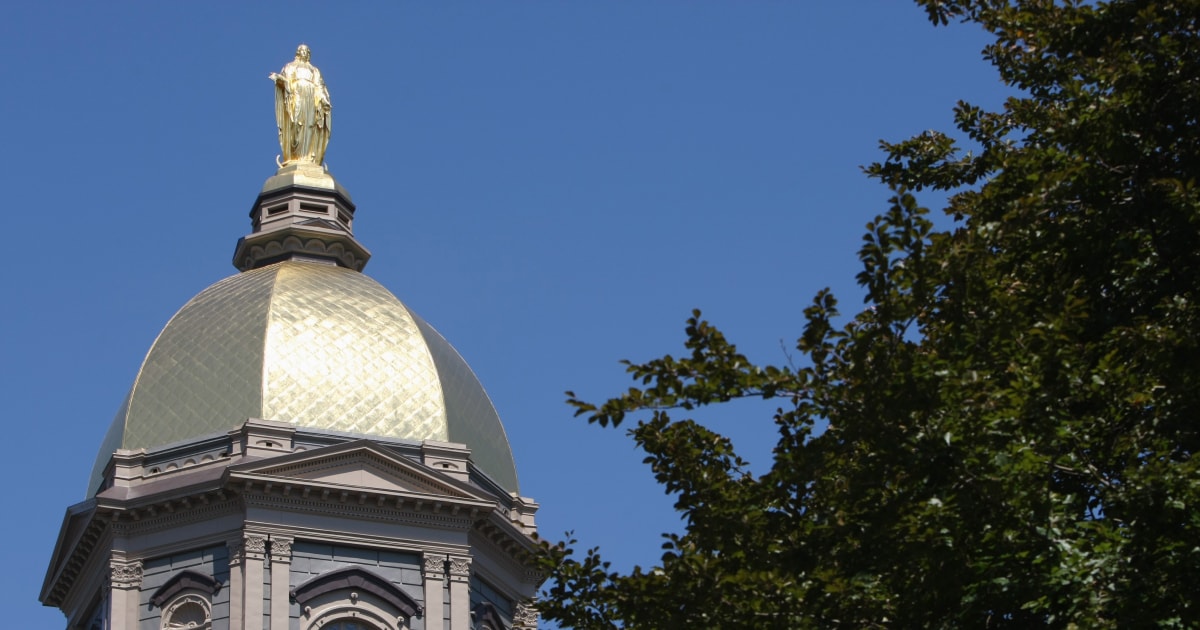
The University of Notre Dame is at it again. Last week, the conservative student newspaper, the Irish Rover, reported that after years of unsuccessful student-driven campaigns, Notre Dame is implementing an “optional” pornography filter on campus WiFi.

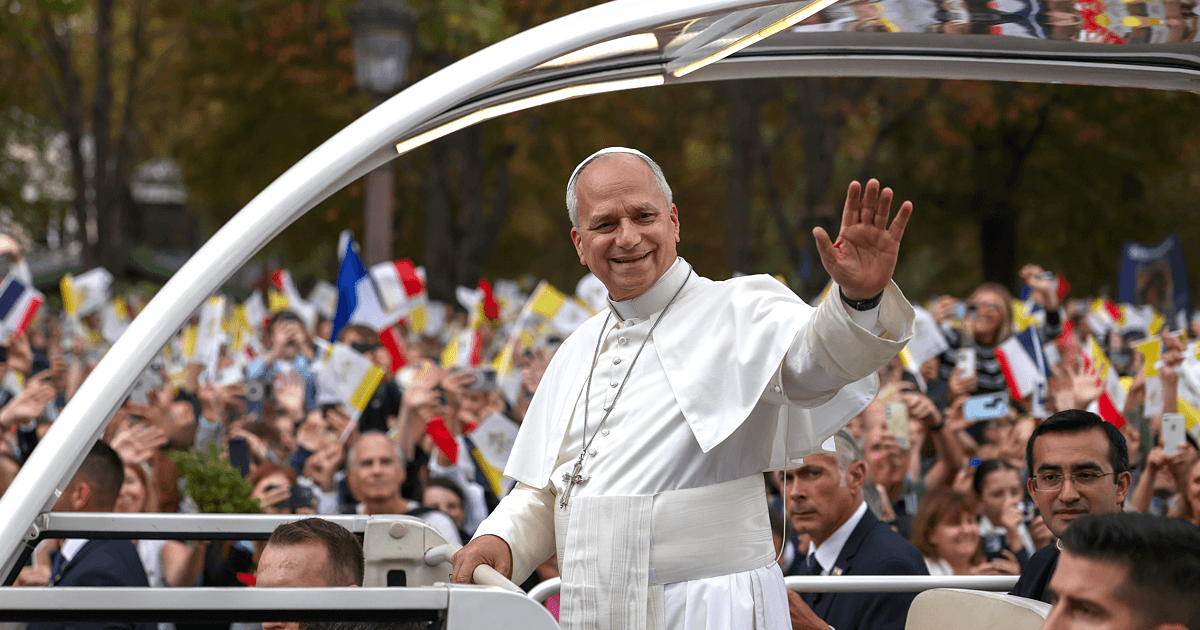
Despite being the premier Catholic university – and a university that ranks among the top in the country – Notre Dame has repeatedly avoided its responsibility to uphold basic Catholic doctrine when it conflicts inconveniently with popular secular opinion. The Notre Dame pornography debate is a particularly pathetic example. Now, once again, Notre Dame is championing a victory it did not own, and which it opposed every step of the way. University administrators should be ashamed of themselves – President Robert A Dowd CSC especially.

For nearly 10 years, Notre Dame students have tried unsuccessfully to enact a mandatory pornography ban on campus WiFi. This is not a tall order – students requested that the university named after Our Lady prohibit the use of campus WiFi to view, share or engage with explicit sexual content. In practice, this would force students who watch pornography to do so on their own dime. Seems reasonable enough?

Like all young people in the digital age, Notre Dame students have a pornography problem. The problem is widespread enough that Notre Dame alumnus Josh Haskell, while an undergraduate student, started a support group for men struggling with pornography addiction. Haskell’s first meeting drew 35 men. That is a significant number for undergraduate boys who typically would rather be off drinking or hiding their addictions in shame. By 2024, the programme had grown to more than 150 men and 30 support groups. Unsurprisingly, Notre Dame had no such programme beforehand.

Not only did Notre Dame not have such resources for students struggling with this specific addiction, but the university also quite literally opposed student-driven efforts to restrict pornography on campus WiFi. When the group Students for Child-Oriented Policy’s original petition in 2018 garnered nearly 2,500 signatures, university administrators stepped in to squash its supporters’ efforts. Then-president and Catholic priest Fr John Jenkins CSC refused to ban pornography from campus WiFi. His reasoning? Students should have the right to say no on their own.

This flawed logic and failure to take a principled stand are sadly unsurprising from a president who similarly caved when far-Left activists pressured Notre Dame to include contraception – which the Catholic Church deems gravely sinful – in university healthcare plans during the Obama administration. Fr Jenkins’s cowardice sent shockwaves across the nation, undermining the stalwart efforts of more courageous Catholics like the Little Sisters of the Poor.

Since then, the university has repeatedly left faithful Catholic students to combat campus decline on their own. Notre Dame’s utter embrace of gender ideology, DEI initiatives and refusal to defend the dignity of human life – and students who discuss it – has repeatedly revealed how little the university values Catholic principles and the students who continue to defend them.

Compared to other culture wars, the pornography issue may seem like a small thing. Some might argue that at least this “half victory” may later be translated into a full ban. Yet why does Notre Dame always settle for half-hearted, meaningless “wins”? Why does Notre Dame always let students toil wearily to defend the university’s honour – only to grant a minor concession that the university will claim credit for?

Notre Dame should be using its massive endowment, impressive facilities and prestige to shape the world positively with the uplifting truths of Catholic social teaching. Instead, it remains silent while students beg the university to stand up.

Reliable sources convey that President Dowd is a good priest doing his best within the constraints of a hostile Notre Dame administration. That may well be true. Yet I have also spoken to a friend who attended a political science discussion section moderated by the then Fr Dowd, and who recalled that he never once intervened to clarify Catholic teaching – leaving authentically Catholic students to defend core Church teachings against hostile classmates on their own.

One could argue that this is the purpose of a discussion section: the professor is not meant to intervene. Yet surely a Catholic priest moderating discussions on controversial and grave moral issues could have weighed in once or twice? That reluctance to do so – allowing 20-year-old students to fight the battle themselves – seems highly indicative of Notre Dame’s broader attitude towards cultural battles both great and small.

The fight over the pornography filter has reminded students of this reality. At every home football game, Notre Dame plays an inspirational promotional video that challenges students to ponder “what would you fight for?” The students’ answer has been very clear. Again and again, Notre Dame has shown that it undermines these values, while the university will fight for social acceptance and money.

Good Catholic students should no longer be shocked that Notre Dame’s administration and president stood idly by while opponents of the pornography filter argued against it on the grounds that it would “discriminate against students with limited data plans”.

Now, after opposing students every step of the way, the university is touting the bare minimum it allowed students to achieve: a fake pornography filter, which will do nothing except become a running joke among the student body.

Continue reading with a free account

Create a free account to read up to five articles each month
Create free account

You have # free articles remaining this month.

Subscribe to get unlimited access.
Sign up

subscribe to the catholic herald today

Our best content is exclusively available to our subscribers. Subscribe today and gain instant access to expert analysis, in-depth articles, and thought-provoking insights—anytime, anywhere. Don’t miss out on the conversations that matter most.
Subscribe