“Strange as it may seem, multitudes called Christians go through life with no effort to obtain a correct knowledge of themselves.” So begins St John Henry Newman in a thought-provoking sermon on Psalm 19:12. That Scripture reads: “But who can discern his errors? Clear thou me from hidden faults.” It’s a verse worth taking some time to ponder during this Easter season.
Our life as Christians begins with the recognition that we are not as good as we like to think we are. Indeed, while most of us are adroit at diagnosing vices in other people, we find it significantly harder to direct that same level of scrutiny towards ourselves. Yet if we wish to allow the graces of the Resurrection to prune our hearts, then confronting our hidden faults is not an optional pastime; it’s a moral imperative.
The First Epistle of John reminds us that “if we say we have no sin, we deceive ourselves, and the truth is not in us” (1 John 1:10). The Catechism makes a similar point when it notes that “since sin is universal, those who pretend not to need salvation are blind to themselves” (588). In other words, the Christian who possesses self-knowledge is the one who understands that he is a sinner in need of God’s mercy.
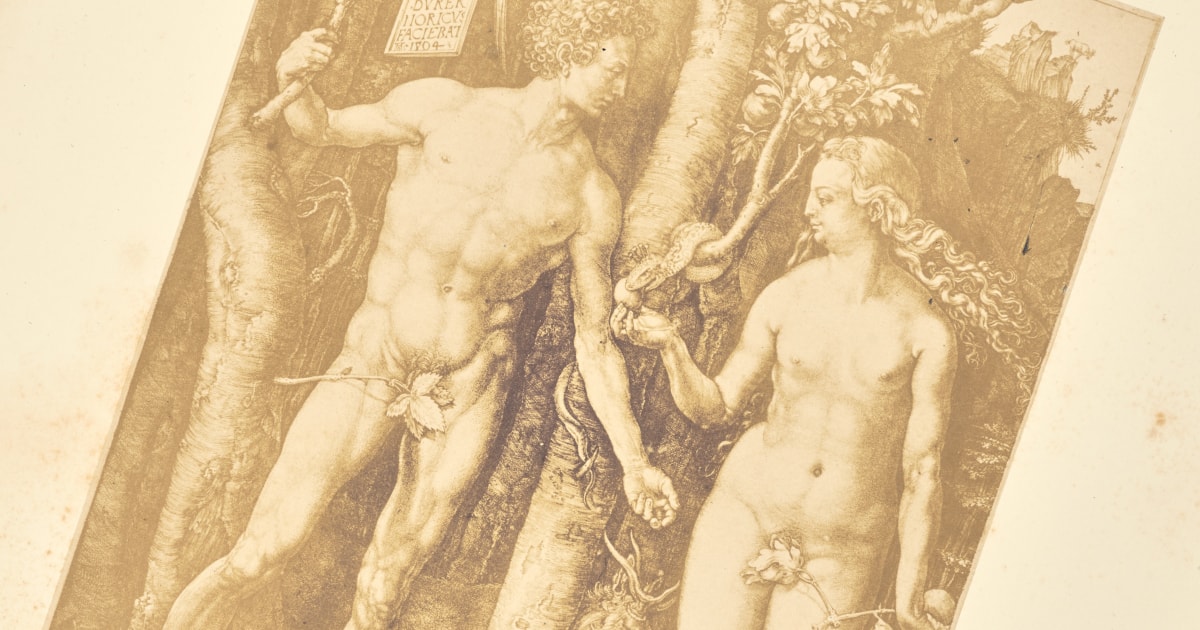
In a sense, though, that’s the easy part. Admitting that we are sinners is a good thing, but in and of itself this admission demands very little of us. A truly rigorous spiritual life therefore requires more than just a generic acceptance of guilt, particularly if that acceptance fails to result in any tangible resolutions. Let us not forget God’s warning to Cain: “And if you do not do well, sin is couching at the door; its desire is for you, but you must master it” (Gen 4:7). If we are serious about growing in holiness, then we must embark on the lengthy and uncomfortable process of identifying our specific sins and rooting them out of our hearts.
Here we might pay special attention to what the spiritual masters refer to as our “predominant fault”. In the first volume of his magisterial The Three Ages of the Interior Life, Fr Réginald Garrigou-Lagrange OP defines this fault as “the defect in us that tends to prevail over the others”. The reason that this domestic enemy is so ascendant is because it is the defect “that has in each of us an intimate relation to our individual temperament”.
Our predominant fault is located in the part of our personality where our God-given gifts are most pronounced. Precisely for that reason, it’s often the hardest vice for us to detect and overcome. Our predominant fault is the most vulnerable point in our defences, and it’s the place where the Devil concentrates his assaults. Garrigou-Lagrange explains:
“Evidently it is of primary importance that we recognise our predominant fault and have no illusions about it. This is so much the more necessary as our adversary, the enemy of our soul, knows it quite well and makes use of it to stir up trouble in and about us. In the citadel of our interior life, which is defended by the different virtues, the predominant fault is the weak spot, undefended by the theological and moral virtues. The enemy of souls seeks exactly this easily vulnerable point in each one, and he finds it without difficulty. Therefore, we must recognise it also.”
As someone with a more melancholic temperament, it is good for me to realise I have a gift for deep emotion, thoughtfulness and friendship. But the flip side of this is that I am also especially prone to a certain set of vices, such as despondency, perfectionism and fear.
For people with other temperaments, the gifts and corresponding vices will probably look very different. Cholerics make decisive leaders and planners, but they often struggle with impatience, envy or an excessive attachment to work. Phlegmatics are wonderfully kind and peaceful, yet their predominant fault can manifest as a form of sloth or timidity. Sanguines are the spice of life with their characteristic energy and enthusiasm, but they must be especially on guard against gossip, gluttony and pusillanimity.
These are not exhaustive lists, and for this reason each of us must pray for a twofold grace: first, the grace to grow in self-awareness; and second, the grace to have the courage to change our sinful habits. Daily prayer and regular reception of the sacraments are essential in this regard. “We must not make peace with our faults,” warns Garrigou-Lagrange. Since our predominant fault is often more obvious to those around us, we should also consider seeking the opinion of a spouse, parent, close friend or spiritual director. And if, after careful reflection, we feel convinced that we don’t have a predominant fault, then we might consider whether ours is pride!
“Know thyself,” commands the ancient Delphic maxim. As Christians, we have much to learn from this piece of pagan wisdom. As Newman and the other Doctors of the Church constantly remind us, the path to sanctity begins with coming to a deeper understanding of our own virtues, vices, gifts and faults: “He who is slow to anger is better than the mighty, and he who rules his spirit than he who takes a city” (Prov 16:32). If we wish to discover and to conquer ourselves, then we must begin by knowing ourselves.


.jpg)


.jpg)