


September 1, 2026

Plans proposed to place Dunfermline Abbey in state care

Corrie Douglas-Young
More
Related
Min read
share

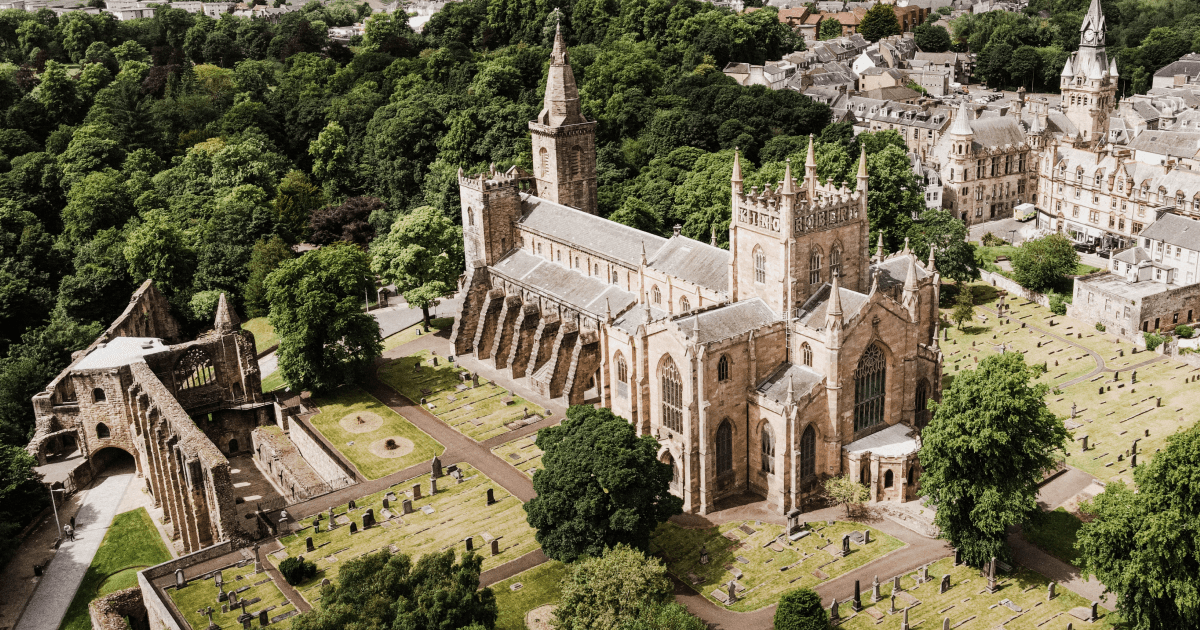
A historic church with links to St Margaret of Scotland could be taken into state care as efforts are underway to preserve public access amid rising costs. Proposals have been made for Dunfermline Abbey, which hosts the bones of King Robert the Bruce, to come under the responsibility of Historic Environment Scotland (HES).

The abbey, which was founded in 1128 on the site of a priory established by St Margaret, costs £60,000 a year to maintain, with a further £4 million required for repairs. It is considered one of Scotland’s most historically significant religious sites as it became the primary burial place for Scottish monarchs during the Middle Ages and has been described as “Scotland’s Westminster Abbey”.

The building was a Benedictine abbey until it was sacked during the Scottish Reformation and has been in the possession of the Church of Scotland since. If the proposals are approved, HES would assume responsibility for the abbey church building alongside its current task of conserving the ruined monastic complex, nave, refectory, chapter house, palace ruins and grounds.

The report noted that the congregation is currently experiencing financial pressures, stating that the continuation of a “business as usual” approach was not sustainable. The report said that moving the building into state care had "clear potential to significantly reduce" the financial burden.

HES currently cares for the surrounding historic abbey complex. The proposal for the church was backed by Fife Council's City of Dunfermline Area Committee today.

It set out what it called an "ambitious" £18 million plan to improve and protect the site and transform it into a heritage destination with the potential of attracting 80,000 visitors a year. The 10-year Dunfermline Abbey Reimagined plans were developed by the Heart of Dunfermline Partnership, which includes Fife Council, HES and Dunfermline Abbey Church.

Parish minister Rev Dr MaryAnn Rennie noted that the current model for maintaining the building was unsustainable and that the plan to move the abbey into state care would “preserve its magnificent built heritage for generations to come.”

David Williams, joint session clerk of the Abbey Church, said the proposal was a “once-in-a-generation opportunity to rethink how people experience Dunfermline Abbey, protecting an extraordinary part of Scotland's heritage while making much more of its potential as a place for worship, learning, culture and visitors.” 

"It's about ensuring this remarkable place remains relevant, accessible and at the heart of Dunfermline for generations to come,” he said.

The abbey is home to important stained glass by Scottish artists and the Tiffany window commissioned by famed industrialist Andrew Carnegie. It will mark its 900th anniversary in 2028 and the 700th anniversary of Robert the Bruce's burial takes place the following year. In 2022, it hosted the signing of the St Margaret Declaration, a declaration of friendship between the Catholic Church and the Church of Scotland.

Continue reading with a free account

Create a free account to read up to five articles each month
Create free account

You have # free articles remaining this month.

Subscribe to get unlimited access.
Sign up

subscribe to the catholic herald today

Our best content is exclusively available to our subscribers. Subscribe today and gain instant access to expert analysis, in-depth articles, and thought-provoking insights—anytime, anywhere. Don’t miss out on the conversations that matter most.
Subscribe