

February 11, 2026

Poetic Justice for Geoffrey Chaucer

The Catholic Herald
More
Related
Min read
share

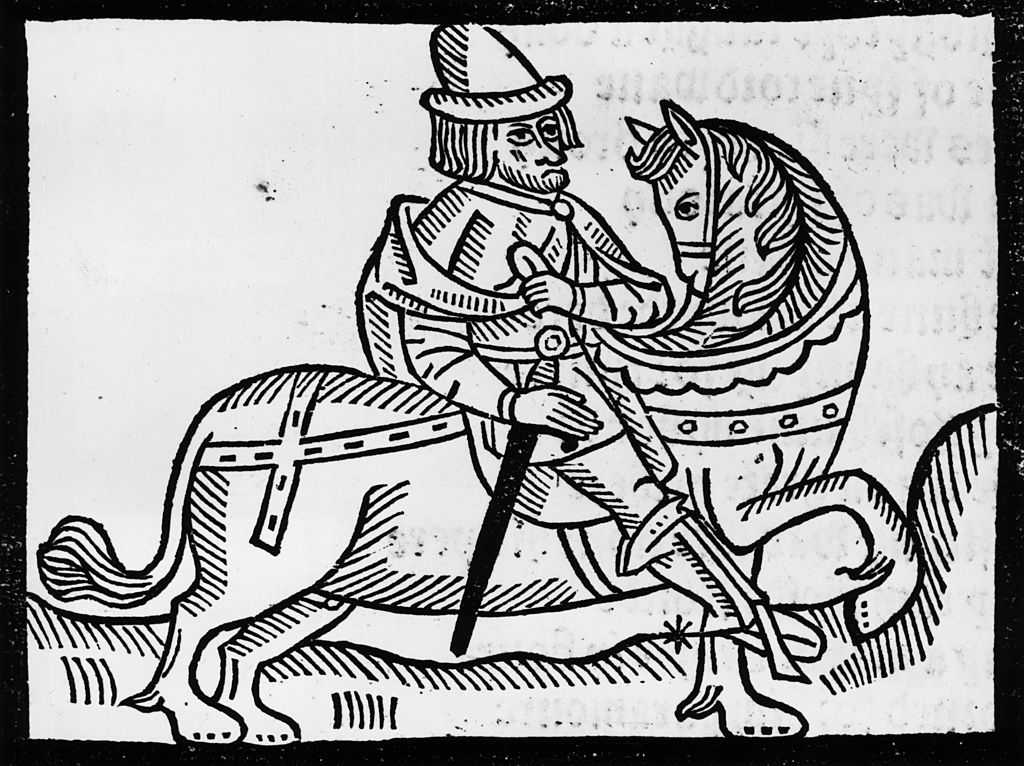
The furore over the poet of The Canterbury Tales being culled from English Literature courses taught at various universities, in an attempt at “decolonising” the syllabus, is the worst sort of cultural censorship. The idea of scrapping medieval literature, and cancelling Geoffrey Chaucer, in favour of “modules on race and sexuality”, is mistaken. The son of a London wine merchant, he was a well-travelled court diplomat. The Tales come out of his time in Italy where he read Boccaccio. His 14th-century pilgrim’s tale is essentially a “roustabout” Christian holiday fable. The road to Canterbury is a metaphor for Jerusalem. Perhaps what offends the academic thought police is that not only was Chaucer an MP but, worst of all, he was a Christian poet, buried in Westminster Abbey.

He writes about sin, redemption and the bawdy foibles of middle-class life. He was a poet of diversity and universal appeal. Before Chaucer, poets wrote about myths and idealised court love. In other words, subjects that people couldn’t easily relate to even if they could read (and most couldn’t). It was Chaucer’s great achievement to introduce a range of lower- and middle- class characters, such as the Miller, or the serial marrying Wife of Bath, that was a form of literary and spiritual “levelling up”. Fittingly, his last poem was a plea to Henry IV to renew his annuity called The Complaint to His Purse. As the patron saint of social mobility, Chaucer should be taught everywhere.

The furore over the poet of The Canterbury Tales being culled from English Literature courses taught at various universities, in an attempt at “decolonising” the syllabus, is the worst sort of cultural censorship. The idea of scrapping medieval literature, and cancelling Geoffrey Chaucer, in favour of “modules on race and sexuality”, is mistaken. The son of a London wine merchant, he was a well-travelled court diplomat. The Tales come out of his time in Italy where he read Boccaccio. His 14th-century pilgrim’s tale is essentially a “roustabout” Christian holiday fable. The road to Canterbury is a metaphor for Jerusalem. Perhaps what offends the academic thought police is that not only was Chaucer an MP but, worst of all, he was a Christian poet, buried in Westminster Abbey.

He writes about sin, redemption and the bawdy foibles of middle-class life. He was a poet of diversity and universal appeal. Before Chaucer, poets wrote about myths and idealised court love. In other words, subjects that people couldn’t easily relate to even if they could read (and most couldn’t). It was Chaucer’s great achievement to introduce a range of lower- and middle- class characters, such as the Miller, or the serial marrying Wife of Bath, that was a form of literary and spiritual “levelling up”. Fittingly, his last poem was a plea to Henry IV to renew his annuity called The Complaint to His Purse. As the patron saint of social mobility, Chaucer should be taught everywhere.

subscribe to
the catholic herald

Continue reading your article with a subscription.
Read 5 articles with our free plan.
Subscribe

subscribe to the catholic herald today

Our best content is exclusively available to our subscribers. Subscribe today and gain instant access to expert analysis, in-depth articles, and thought-provoking insights—anytime, anywhere. Don’t miss out on the conversations that matter most.
Subscribe