February 12, 2026

Pope Francis to meet Aung San Suu Kyi at Vatican

Nick Hallett
More
Related
Min read
share

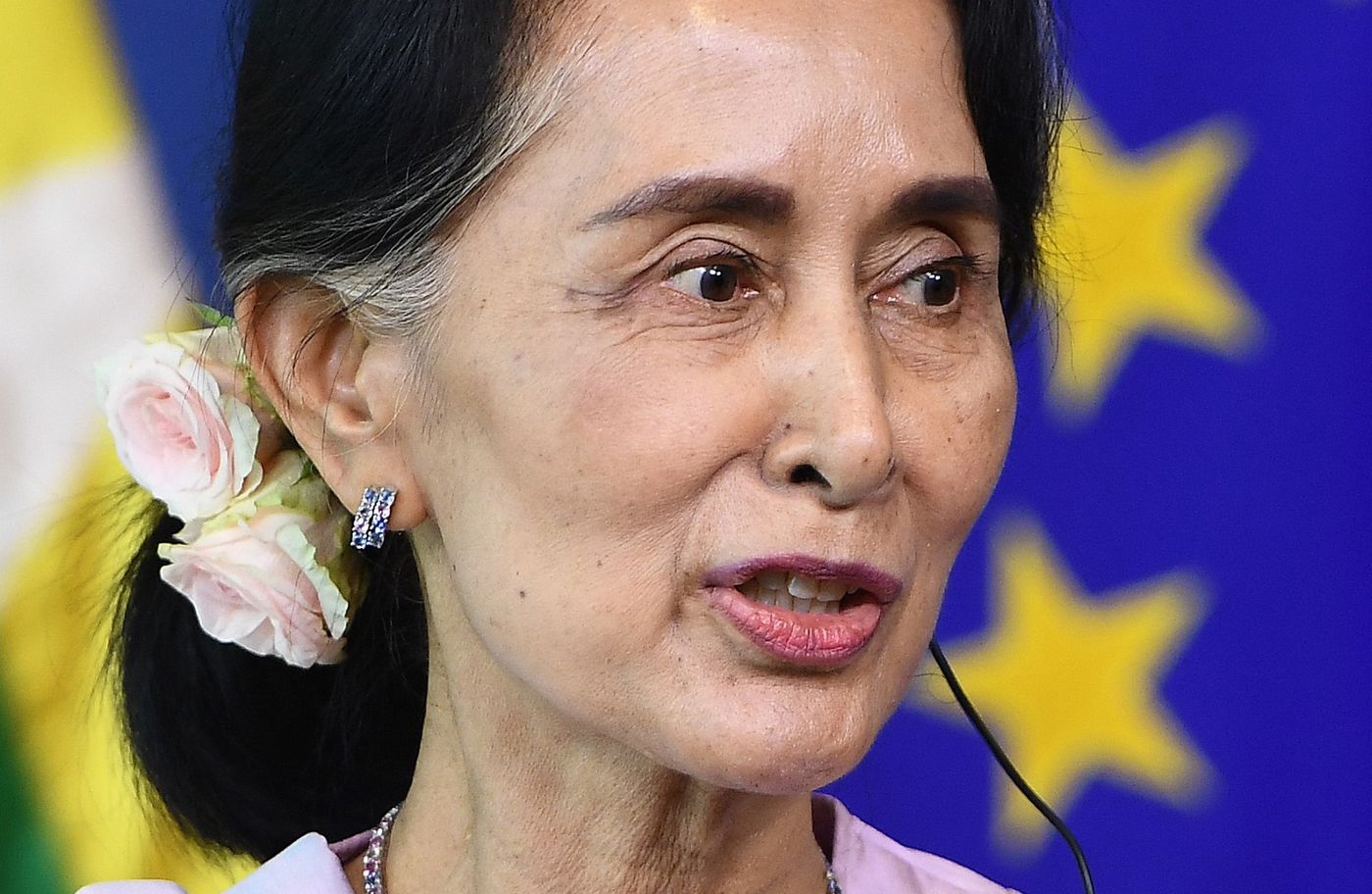
Pope Francis is due to receive Burmese State Counsellor and Foreign Minister Aung San Suu Kyi at the Vatican on Thursday May 4, the Holy See has said.

La Croixreports the Pope will receive Aung San Suu Kyi in a private meeting, as she is neither a head of state nor officially head of government.

The two met previously in October 2013, when Aung San Suu Kyi was still leader of the opposition to the military government in Rangoon.

Since coming to power a little over a year ago, the 1991 Nobel Peace Prize winner has become a more controversial figure.
On Tuesday, she rejected a decision by the UN Human Rights Council to investigate allegations of crimes against her country’s Rohingya Muslims, telling a press conference: “We have disassociated ourselves from the resolution because we do not think that the resolution is in keeping with what is actually happening on the ground.”

Allegations persist of state-sponsored murder, rape and torture against the religious minority.

In February, Pope Francis rebuked the Burmese government for its treatment of the Rohingyas, telling a weekly audience: “They have been suffering, they are being tortured and killed, simply because they uphold their Muslim faith.”

He urged Christians to pray “for our Rohingya brothers and sisters who are being chased from Myanmar and are fleeing from one place to another because no one wants them.”

Burma only has a tiny Catholic minority, and does not have diplomatic relations with the Holy See. In March, the country's parliament approved a proposal to establish relations with the Vatican along with six other countries.

In 2015, Pope Francis made the Archbishop of Rangoon, the Salesian Charles Bo, a cardinal.

Pope Francis is due to receive Burmese State Counsellor and Foreign Minister Aung San Suu Kyi at the Vatican on Thursday May 4, the Holy See has said.

La Croixreports the Pope will receive Aung San Suu Kyi in a private meeting, as she is neither a head of state nor officially head of government.

The two met previously in October 2013, when Aung San Suu Kyi was still leader of the opposition to the military government in Rangoon.

Since coming to power a little over a year ago, the 1991 Nobel Peace Prize winner has become a more controversial figure.
On Tuesday, she rejected a decision by the UN Human Rights Council to investigate allegations of crimes against her country’s Rohingya Muslims, telling a press conference: “We have disassociated ourselves from the resolution because we do not think that the resolution is in keeping with what is actually happening on the ground.”

Allegations persist of state-sponsored murder, rape and torture against the religious minority.

In February, Pope Francis rebuked the Burmese government for its treatment of the Rohingyas, telling a weekly audience: “They have been suffering, they are being tortured and killed, simply because they uphold their Muslim faith.”

He urged Christians to pray “for our Rohingya brothers and sisters who are being chased from Myanmar and are fleeing from one place to another because no one wants them.”

Burma only has a tiny Catholic minority, and does not have diplomatic relations with the Holy See. In March, the country's parliament approved a proposal to establish relations with the Vatican along with six other countries.

In 2015, Pope Francis made the Archbishop of Rangoon, the Salesian Charles Bo, a cardinal.

subscribe to
the catholic herald

Continue reading your article with a subscription.
Read 5 articles with our free plan.
Subscribe

subscribe to the catholic herald today

Our best content is exclusively available to our subscribers. Subscribe today and gain instant access to expert analysis, in-depth articles, and thought-provoking insights—anytime, anywhere. Don’t miss out on the conversations that matter most.
Subscribe