



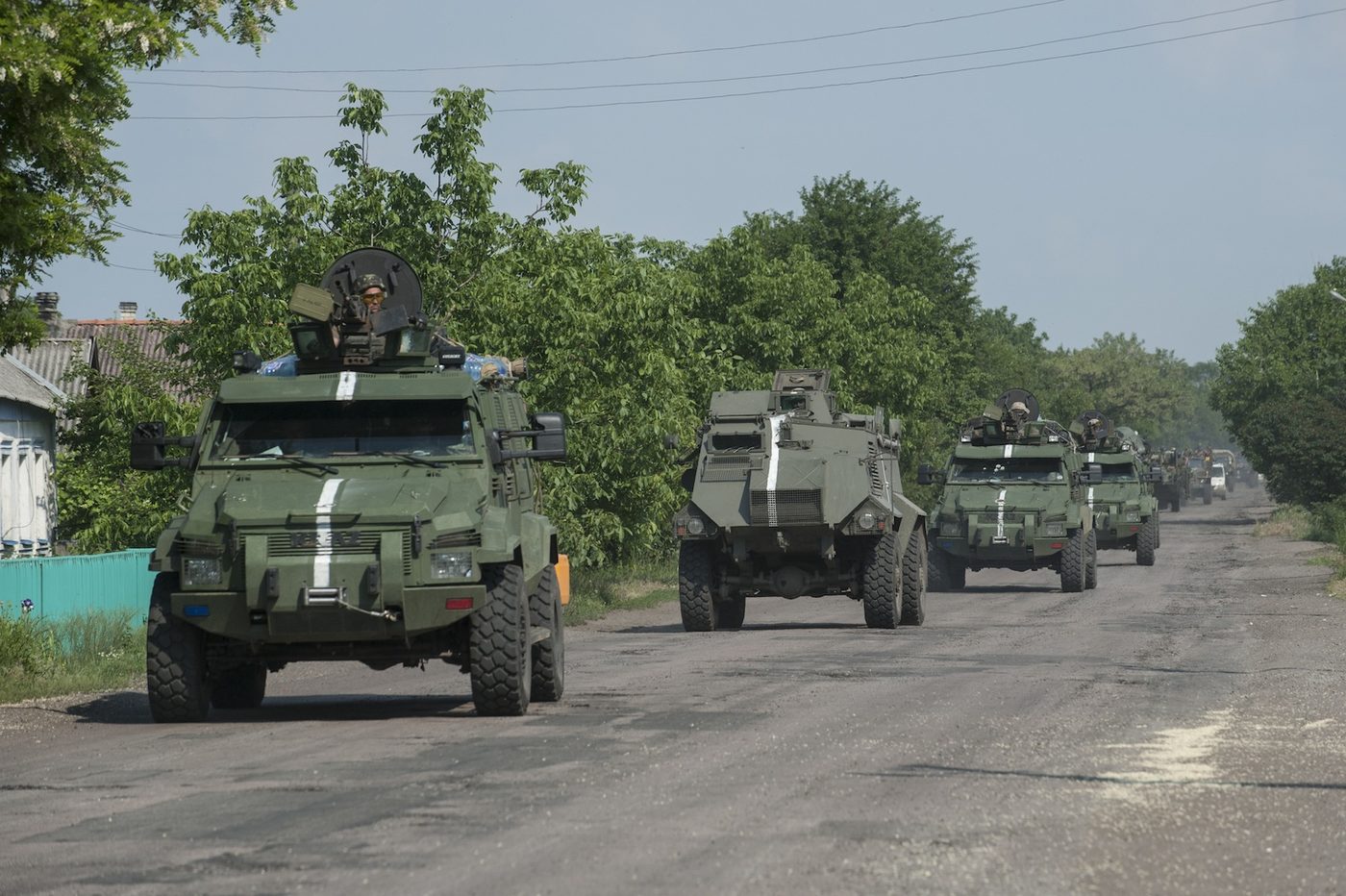
On the afternoon of Wednesday June 10, President Putin will be visiting the Vatican and meeting Pope Francis. President Putin is in Italy next week to visit the Russian pavilion at the World Fair being held in Milan. Nowadays President Putin does not make many state visits to western Europe, so this is something of a rare outing for him. He has of course met the Pope before now, in November 2013, but that was before the current crisis in Ukraine erupted. At their last meeting we are told that the Syrian civil war was discussed, and this will probably be the case this time too, given that the Syrian situation seems even further from solution than it did in 2013. The Pope, along with the entire Catholic Church, is deeply concerned for the welfare of the Syrian people, so naturally he will want to raise the topic. Moreover, Mr Putin is an ally and friend of President Assad, though whether he has any leverage with the regime is a moot point. He has urged the Syrian government to negotiate with its opponents, but this has borne little fruit. At present it is hard to see what anyone, even Pope and President, can do about the Syrian situation, given that the West seems utterly opposed to boots on the ground, or, even more unthinkably, arming and supporting Assad. The other big topic on the agenda will certainly be Ukraine. While Syria has allowed Mr Putin to play the role of “good guy" to certain audiences in Russia and outside it, taking up, as he has, the traditional Russian role as protector of Christians in the Middle East, the role he has played in Ukraine is much harder to perceive in a positive light, despite the valiant efforts of certain pro-Russian commentators. Moreover, the conflict in Ukraine has a religious element to it. Just recently the Patriarch of the Russian Orthodox Church has seemingly told the Orthodox faithful loyal to him in Ukraine that they are no longer obligated to obey the government in Kiev. It is not just Moscow that fears losing influence in the near abroad; so does the Moscow Patriarchate. The alliance between Putin and the Moscow Patriarchate, if it can be characterised as such, is complex to say the least. It is very hard to see how the Moscow Patriarchate can “win" in Ukraine against the two other Orthodox Churches in the country, just as it is hard to see what the final aims of Russia are in this conflict. Just recently fighting has started again in earnest in eastern Ukraine. It is not impossible that by the time Pope Francis comes face to face with President Putin, Russian troops and their proxies may be engaged in a full scale summer offensive against Ukrainian forces. What will the Pope say then, particularly given his desire to avoid giving offence to the Russian Orthodox Patriarch? But, given the not unnatural desire in the West to see international borders respected and aggression resisted, the Pope must realise that whatever he says is bound to offend at least one side in this conflict. The worst possible scenario is that he will end up offending both sides equally. The best possible scenario is that he can somehow bring about a rapprochement between Russia and Ukraine, but given the track record of Russia in keeping to the Minsk agreement, this seems most unlikely. Quite a few Catholics, and not just Ukrainian, Lithuanian and Polish Catholics, will be hoping that the Pope will speak truth to power in his meeting with President Putin. As for Putin himself, what does he hope to gain from meeting the Pope? A photo opportunity with Francis may back up his narrative that he is an innocent bystander in the Ukrainian war. Let’s hope that does not happen.
11:55 AM
Pope Francis's meeting with Putin brings many risks
The worst case scenario is to offend both sides, while giving the Russian president a propaganda coup
Fr Alexander Lucie-Smith

4 min read



Already a subscriber? Sign in
5freearticles every month
Continue reading with a free account. No card needed.
- Five free articles every thirty days, on any device you sign in on
- The Catholic Herald newsletter, every morning
- Subscribe whenever you like for everything: every article and the magazine
Related articles
 Newsroom
Church leaders urge Drumcree dialogue: ‘Too much is at stake’
The Catholic and Church of Ireland Archbishops of Armagh have urged a renewed commitment to peace and reconciliation amid the Drumcree stand-off
Corrie Douglas-Young Newsroom
Thousands of Irish children to join global Rosary campaign
Corrie Douglas-Young Newsroom
TikTok priest urges young people to stand with persecuted Christians
Nathalie Raffray Newsroom
Baby born at 25 weeks reunites with neonatologist two years after leaving hospital
The Catholic Herald Newsroom
Joe Biden honoured by Planned Parenthood after defending abortion rights
Christine Rousselle
subscribe to the catholic herald today
Our best content is exclusively available to our subscribers. Subscribe today and gain instant access to expert analysis, in-depth articles, and thought-provoking insights—anytime, anywhere. Don’t miss out on the conversations that matter most.
Subscribe



