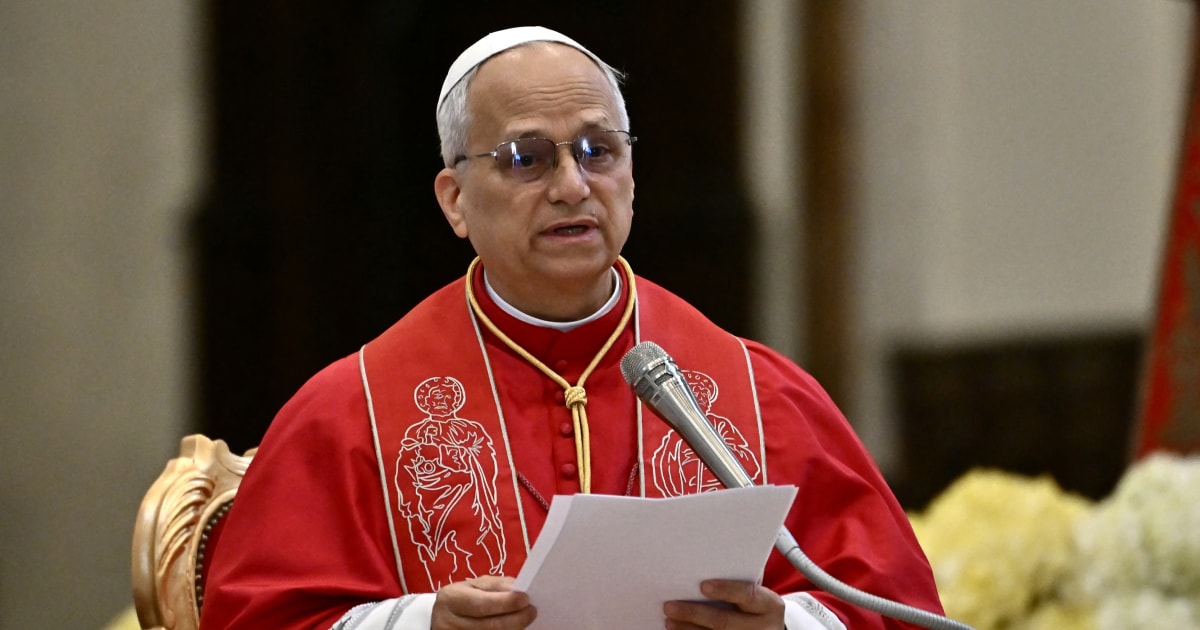

Pope Leo XIV has insisted that no one is permitted to add, remove or modify anything in the sacred liturgy on personal initiative.
The Pope made the remarks as he continued his series of catecheses on the documents of the Second Vatican Council during his May 27 general audience in St Peter’s Square.
The Holy Father focused for the second time on the Constitution Sacrosanctum Concilium. He began by quoting Pope Pius XII’s encyclical Mediator Dei: “The Church is a living organism and therefore, also with regard to the sacred liturgy, while maintaining the integrity of its teaching, grows and develops, adapting and conforming to the circumstances and needs that arise in the course of time.”

Pope Leo recalled that the Council Fathers recognised it as their duty to take “special interest in the reform and promotion of the liturgy” in order to “enhance Christian life ever more among the faithful” and to adapt those institutions “subject to change to the needs of our time”.
He highlighted the key directive in article 23 of Sacrosanctum Concilium: to “preserve sound tradition and open the way to legitimate progress”. Quoting Pope Benedict XVI, he noted that “tradition and progress are often clumsily contrasted”, while in reality “the two concepts complement each other: tradition itself somehow includes progress”.
The Pope explained the Council’s distinction between the immutable elements of the liturgy, founded on divine institution, and those parts susceptible to change. He stressed that any revision of rites must ensure that new forms “in some way grow organically from those already existing”.
He also warned against arbitrary alterations, saying that the Council sought to avoid disorientation among the faithful by dissuading “anyone from adding, removing or modifying anything in liturgical matters on his own initiative”.
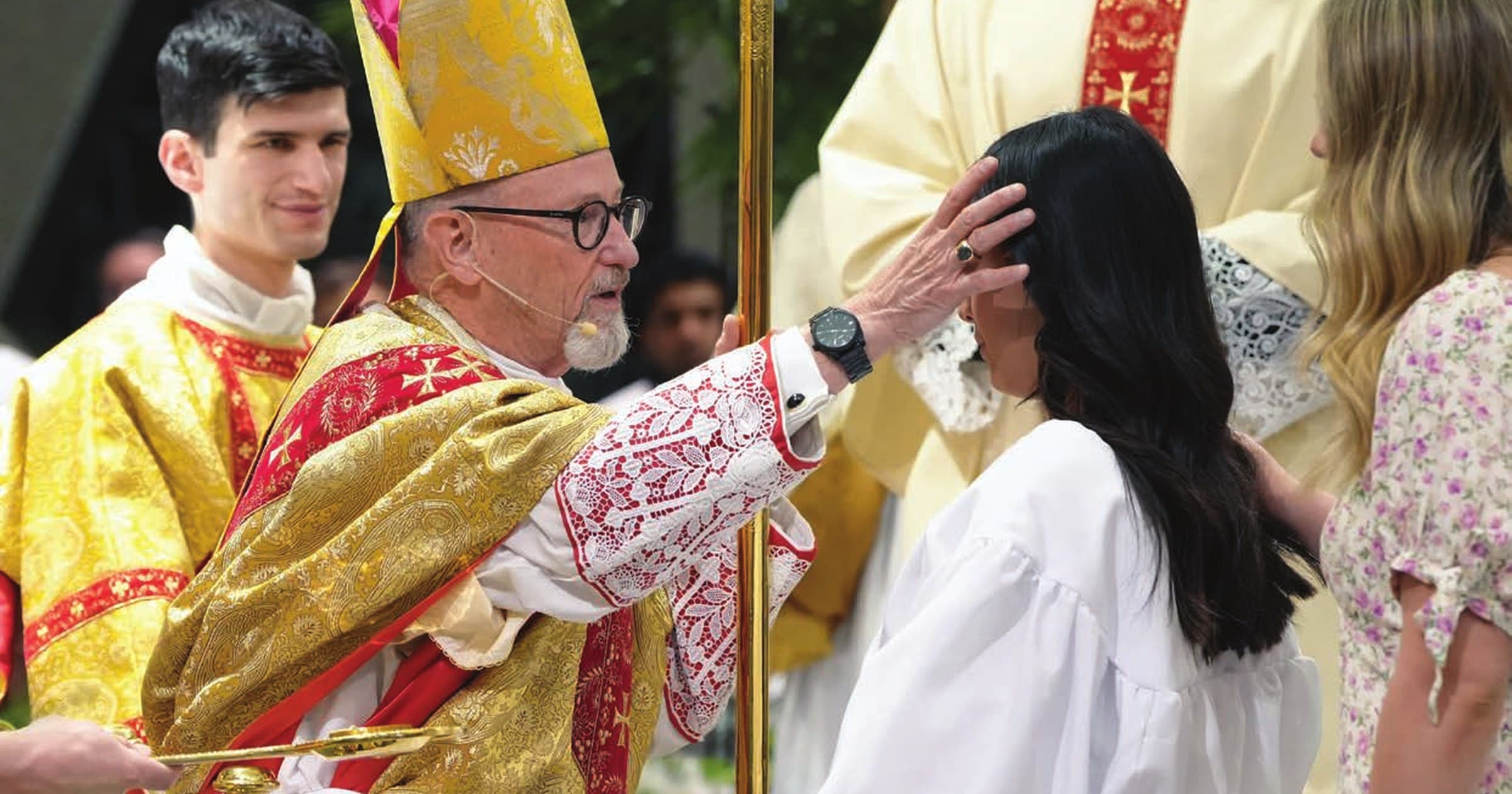
The general audience took place amid continuing discussion in the Church about the correct implementation of the liturgical reform. In recent years, documented cases of liturgical innovation have included dance performances integrated into the celebration of Mass. In 2023, a video from a parish in Germany showed a liturgical dance troupe performing during the Gloria. Similar performances have been recorded in Brazil and parts of the US.
In 2024, Bishop Michael Martin of Charlotte, North Carolina, issued draft diocesan liturgical norms that sought to restrict practices such as ad orientem celebration, the use of altar rails and certain traditional devotions, prompting significant debate before parts of the document were revised or shelved.
Sacrosanctum Concilium itself states in article 116: “The Church acknowledges Gregorian chant as specially suited to the Roman liturgy: therefore, other things being equal, it should be given pride of place in liturgical services.” Many Catholics attached to tradition have noted the contrast between this directive and the widespread replacement of Gregorian chant with contemporary music in ordinary form celebrations.
Pope Leo’s emphasis on organic development, continuity and fidelity to the Church’s liturgical heritage has been welcomed by many traditional Catholics as consistent with the teaching of St Pius X, Pius XII and Benedict XVI.
The audience concluded with greetings to pilgrim groups and an appeal for peace in Ukraine.