April 7, 2026

Pope Leo says threat against entire people of Iran is ‘not acceptable’

The Catholic Herald
More
Related
Min read
share

Pope Leo XIV has renewed his appeal for peace amid escalating tensions over Iran, warning that threats against an entire people are unacceptable and insisting that the conflict must be brought back to the negotiating table. Speaking to journalists outside Villa Barberini in Castel Gandolfo on Tuesday evening, the Pope called on “all people of goodwill” to reject war and seek peaceful solutions instead.

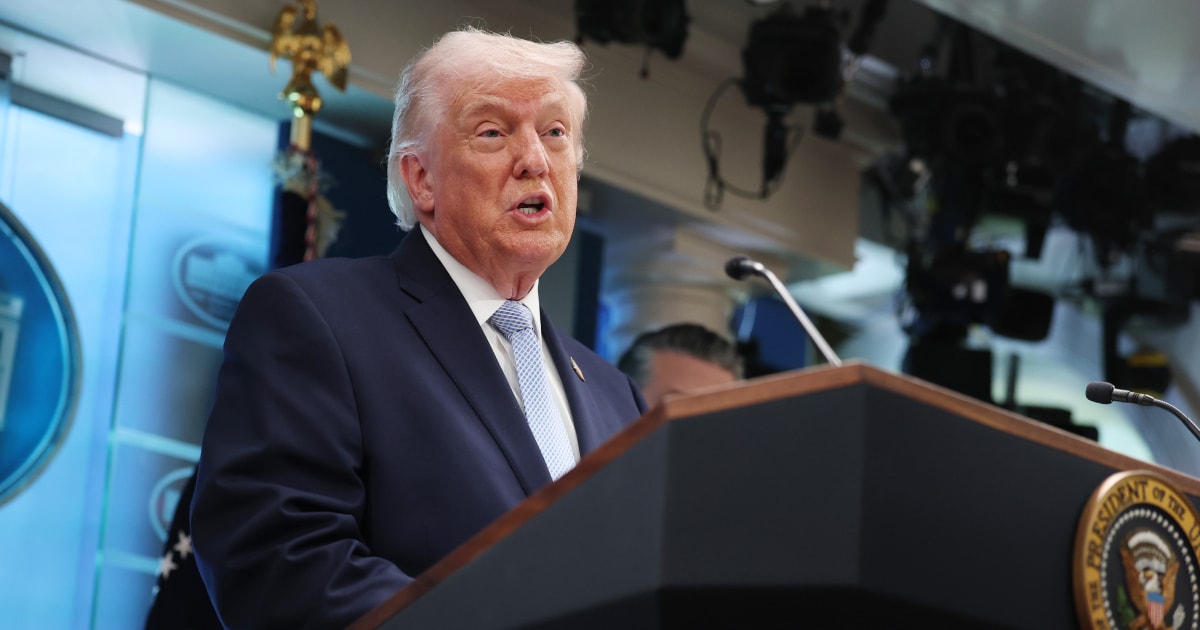
The Pope’s intervention came after a day of heightened rhetoric surrounding Iran and the Strait of Hormuz. President Donald Trump had threatened the “annihilation” of Iran’s “whole civilization” if Tehran failed to comply with demands over reopening the waterway. In response, Pope Leo said that “this threat against the entire people of Iran … truly is not acceptable” and appealed for dialogue before further lives are lost.
In both Italian and English, Leo repeated the central themes of his Easter appeals, saying war was continuing to escalate and resolving nothing. Vatican News reported that he told reporters he wished simply to restate what he had said in his Urbi et Orbi message on Sunday: that people of goodwill must “always search for peace and not violence” and reject a war that is unjust and self-perpetuating.

The Pope also stressed the human cost of conflict. He singled out children, the elderly and the sick among the innocent who suffer first and most in war, and said attacks on civilian infrastructure are against international law. He added that such attacks are also signs of “hatred, division, and destruction”.

Leo's remarks were brief and he did not take questions, but they amounted to one of his sharpest interventions yet on the Iran crisis. He told those listening: “Come back to the table. Let’s talk. Let’s look for solutions in a peaceful way,” and he renewed his plea to citizens in the countries involved to speak to political leaders and urge them to work for peace rather than war.

The Pope also placed the present danger within a wider global context. He warned of a worldwide economic crisis, an energy crisis and continuing instability in the Middle East, arguing that the present course is only provoking more hatred. For Leo, the crisis is part of a broader moral and political disorder in which violence deepens existing fractures rather than healing them.

The Castel Gandolfo statement follows a series of peace appeals from the Pope during Holy Week and Easter. Leo had already used his Easter homily and Urbi et Orbi address to condemn war, urge those with weapons to lay them down and announce a prayer vigil for peace on 11 April at St Peter’s. Tuesday’s remarks showed that the Vatican intends to keep pressing that message as the crisis intensifies.

For now, the Pope’s line remains consistent and unmistakable: no threat against an entire people can be justified, war cannot be allowed to widen further and the path back must be through dialogue. At Castel Gandolfo, Leo once again placed the Holy See firmly on the side of restraint, negotiation and the defence of civilians caught in the path of conflict.

Pope Leo XIV has renewed his appeal for peace amid escalating tensions over Iran, warning that threats against an entire people are unacceptable and insisting that the conflict must be brought back to the negotiating table. Speaking to journalists outside Villa Barberini in Castel Gandolfo on Tuesday evening, the Pope called on “all people of goodwill” to reject war and seek peaceful solutions instead.

The Pope’s intervention came after a day of heightened rhetoric surrounding Iran and the Strait of Hormuz. President Donald Trump had threatened the “annihilation” of Iran’s “whole civilization” if Tehran failed to comply with demands over reopening the waterway. In response, Pope Leo said that “this threat against the entire people of Iran … truly is not acceptable” and appealed for dialogue before further lives are lost.
In both Italian and English, Leo repeated the central themes of his Easter appeals, saying war was continuing to escalate and resolving nothing. Vatican News reported that he told reporters he wished simply to restate what he had said in his Urbi et Orbi message on Sunday: that people of goodwill must “always search for peace and not violence” and reject a war that is unjust and self-perpetuating.

The Pope also stressed the human cost of conflict. He singled out children, the elderly and the sick among the innocent who suffer first and most in war, and said attacks on civilian infrastructure are against international law. He added that such attacks are also signs of “hatred, division, and destruction”.

Leo's remarks were brief and he did not take questions, but they amounted to one of his sharpest interventions yet on the Iran crisis. He told those listening: “Come back to the table. Let’s talk. Let’s look for solutions in a peaceful way,” and he renewed his plea to citizens in the countries involved to speak to political leaders and urge them to work for peace rather than war.

The Pope also placed the present danger within a wider global context. He warned of a worldwide economic crisis, an energy crisis and continuing instability in the Middle East, arguing that the present course is only provoking more hatred. For Leo, the crisis is part of a broader moral and political disorder in which violence deepens existing fractures rather than healing them.

The Castel Gandolfo statement follows a series of peace appeals from the Pope during Holy Week and Easter. Leo had already used his Easter homily and Urbi et Orbi address to condemn war, urge those with weapons to lay them down and announce a prayer vigil for peace on 11 April at St Peter’s. Tuesday’s remarks showed that the Vatican intends to keep pressing that message as the crisis intensifies.

For now, the Pope’s line remains consistent and unmistakable: no threat against an entire people can be justified, war cannot be allowed to widen further and the path back must be through dialogue. At Castel Gandolfo, Leo once again placed the Holy See firmly on the side of restraint, negotiation and the defence of civilians caught in the path of conflict.

subscribe to
the catholic herald

Continue reading your article with a subscription.
Read 5 articles with our free plan.
Subscribe

subscribe to the catholic herald today

Our best content is exclusively available to our subscribers. Subscribe today and gain instant access to expert analysis, in-depth articles, and thought-provoking insights—anytime, anywhere. Don’t miss out on the conversations that matter most.
Subscribe