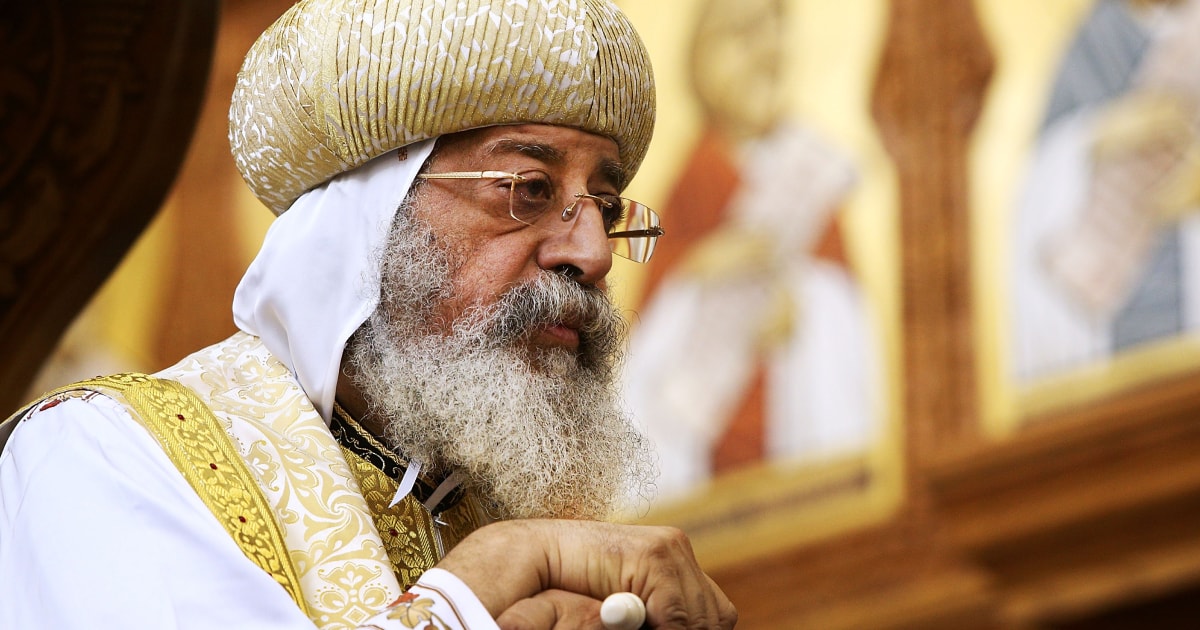



The Coptic Orthodox Church has decided to resume theological dialogue with the Catholic Church after a suspension of more than two years, following assurances from Pope Leo XIV to Pope Tawadros II regarding the non-blessing of same-sex couples.
The Holy Synod of the Coptic Orthodox Church, meeting in plenary session on Friday, May 22, under the presidency of Pope Tawadros II, announced the decision after receiving clarifications during a telephone conversation between the two leaders on May 15. The Coptic statement explicitly cited “assurances regarding the non-blessing of same-sex couples” given during that call.

The Coptic Orthodox Church, the largest Christian community in the Middle East, with an estimated 10 million members, primarily in Egypt, broke off theological dialogue with the Holy See in March 2024 in direct response to the Vatican declaration Fiducia supplicans, issued on December 18, 2023. That document permitted non-liturgical blessings for couples in irregular situations, including same-sex couples, while stating that such blessings did not validate their union or alter Church teaching on marriage.
The Coptic Holy Synod at the time reaffirmed its rejection of homosexual relationships as contrary to Scripture and described any blessing of such unions as “a blessing for sin”. It also announced a re-evaluation of two decades of dialogue and the establishment of new mechanisms for any future engagement.
Dialogue between the two Churches had been active since the 1970s, beginning with historic meetings between Pope St Paul VI and Coptic Pope Shenouda III. A formal Joint International Commission for Theological Dialogue between the Catholic Church and the Oriental Orthodox Churches was established in 2003 and produced several agreed statements on Christological matters before the 2024 suspension.
The May 15 telephone conversation took place on the Day of Coptic-Catholic Friendship. According to the Holy See Press Office, the discussion was conducted in a “cordial and fraternal atmosphere” and focused on giving “new impetus” to the friendship day while seeking to overcome obstacles to dialogue based on faith and charity. Both leaders emphasised shared responsibility for proclaiming the Gospel and promoting peace, particularly in the conflict-affected Middle East. Pope Leo XIV also sent a letter to Pope Tawadros II for the occasion, expressing hope that the Joint Commission could resume its work with all Oriental Orthodox Churches.
In its statement issued on May 22, the Coptic Holy Synod, attended by 119 bishops, listed the resumption of dialogue as the fifth point among its decisions. The text directly linked the move to the assurances received from Pope Leo XIV during the May 15 call.
The Coptic Church has long maintained a clear doctrinal position on marriage and sexuality rooted in Scripture and patristic tradition. Its 2024 suspension was part of a broader pattern of concern among several Oriental Orthodox and Eastern Orthodox bodies regarding developments in Western Christianity on questions of sexual morality.
The resumption of dialogue comes at a time when Christians in the Middle East face significant challenges, including persecution, emigration and regional conflicts. Both Churches have historically cooperated on issues such as the defence of religious freedom and care for the poor. The Coptic Orthodox Church traces its roots to the evangelisation of St Mark the Apostle in Alexandria in the 1st century and forms one of the oldest continuous Christian communities in the world.