
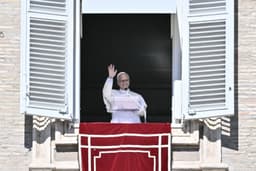
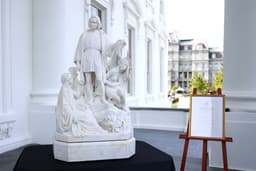
Pope Leo XIV has urged young Africans to resist the lure of emigration and to place their talents at the service of their own countries, warning that corruption and the flight of skilled workers remain among the gravest obstacles to the continent’s flourishing. He made the appeal during his visit to Cameroon, where he addressed students and later celebrated Mass in Douala.
Speaking at the Catholic University of Central Africa in Yaoundé on 17 April, the Pope acknowledged the understandable desire to seek a better future abroad, but said the first duty of the young should be to contribute to the common good at home. He encouraged students to use the education they are receiving for the benefit of their fellow citizens rather than seeing migration as the only path to prosperity.
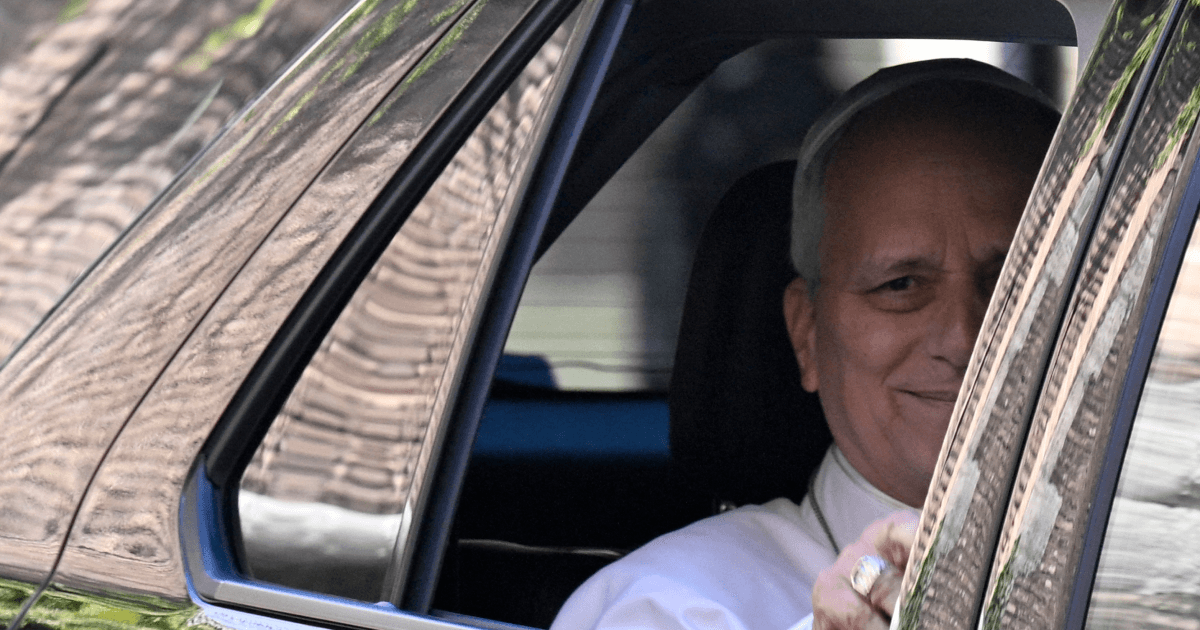
Leo linked that appeal to a broader moral challenge, saying Africa must be freed from what he described as the “scourge of corruption”. His argument was that national renewal requires not only economic opportunity but personal integrity, especially among the educated young who will shape public life in the years ahead.
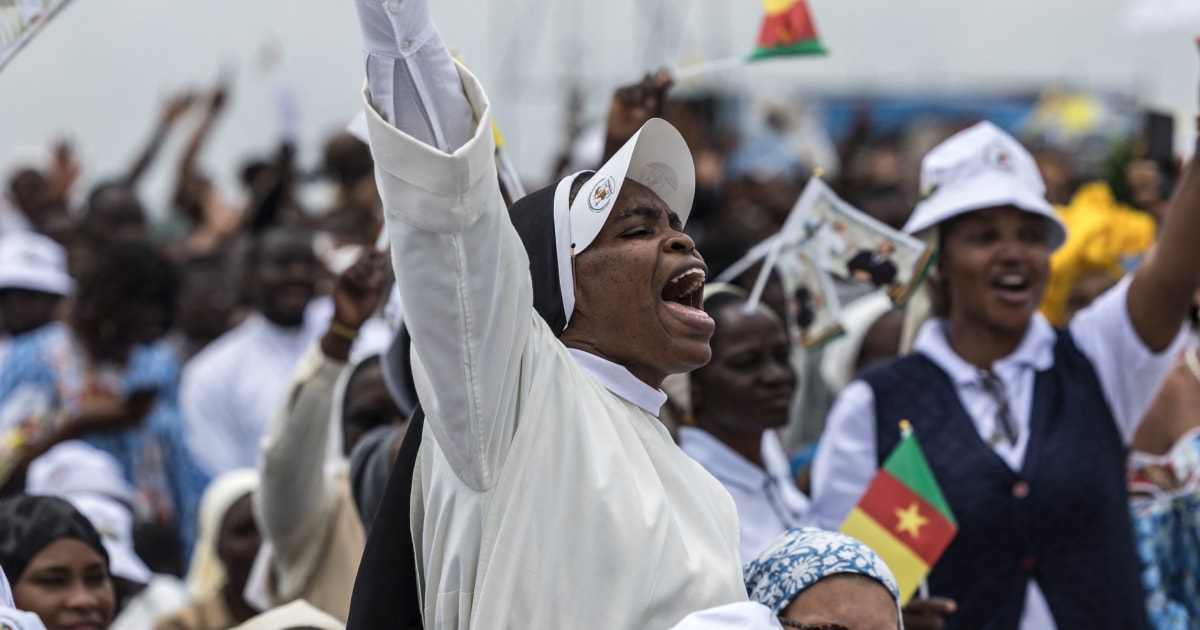
The same themes returned in his homily at Mass in Douala. Referring to the contrast between Cameroon’s natural wealth and the poverty still experienced by many of its people, he warned against false promises of easy gain and told the faithful not to let themselves be corrupted by habits and temptations that drain a society of hope. Instead, he said, they should become protagonists of the future and answer the vocation God has given each of them.
He also sought to ground that message in the moral and spiritual strengths of African societies. The Pope told the congregation that a people’s true riches are not measured only by natural resources, but by deeper goods such as faith, family, hospitality and work. Those, he suggested, are the foundations on which a more just and confident future can be built.
The setting gave the remarks particular force. Cameroon has a notably young population, Catholics account for a substantial share of the country’s people, and the Church there has become an increasingly important source of priestly vocations. At the same time, the country has faced economic pressures that have contributed to the departure of many trained professionals, especially in sectors such as healthcare.
Attendance at the Douala Mass appears to have fallen well short of early projections. While Vatican officials had initially expected crowds of around 600,000, the Holy See later cited local organisers as putting attendance closer to 120,000, with security restrictions and road closures said to have limited access to the site.
Taken together, the Pope’s remarks amounted to a call for rootedness, honesty and public responsibility. Rather than encouraging Africa’s young to look elsewhere for fulfilment, the Pope pressed them to see their own nations as places where Christian faith, moral seriousness and service to neighbour can still shape the future.