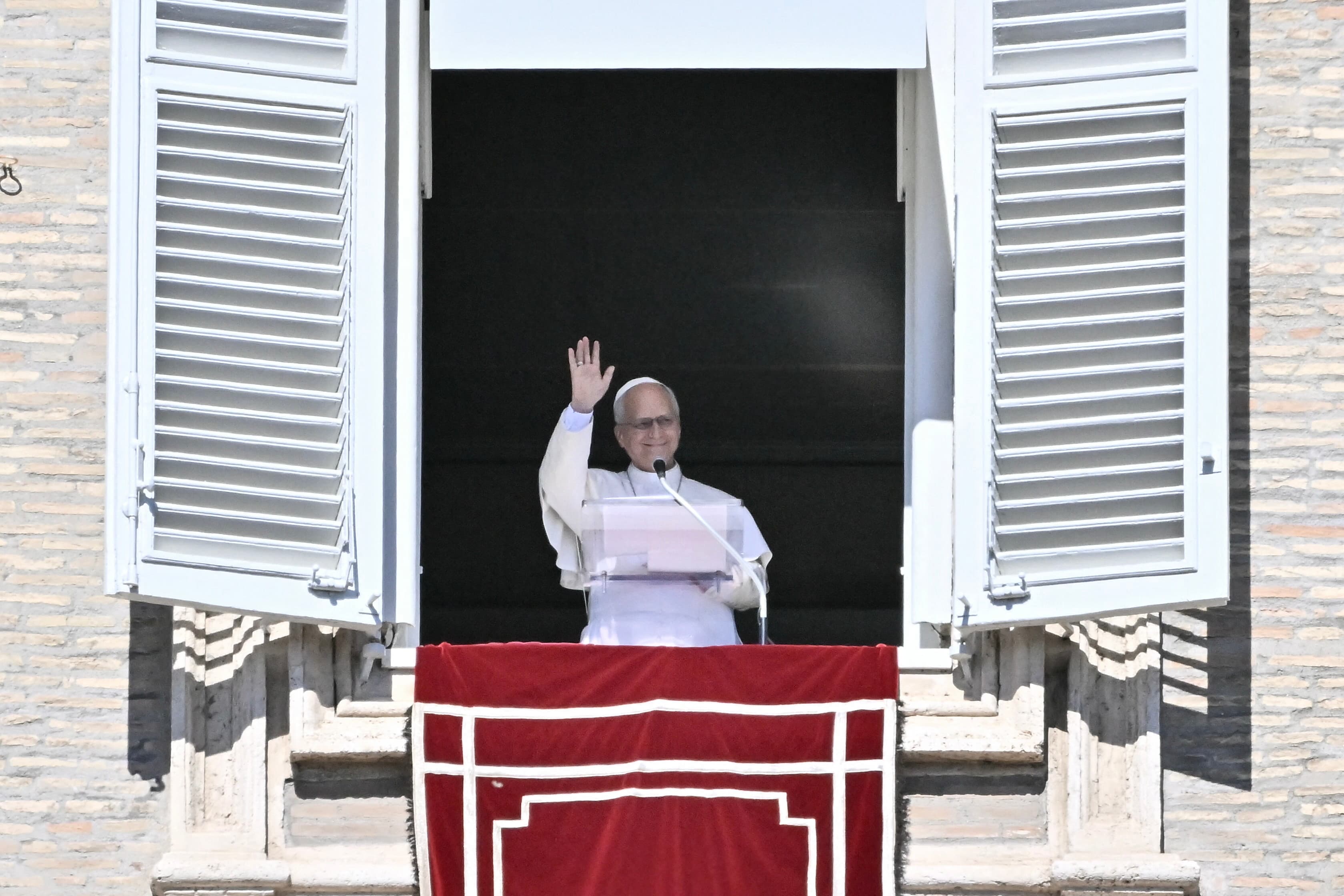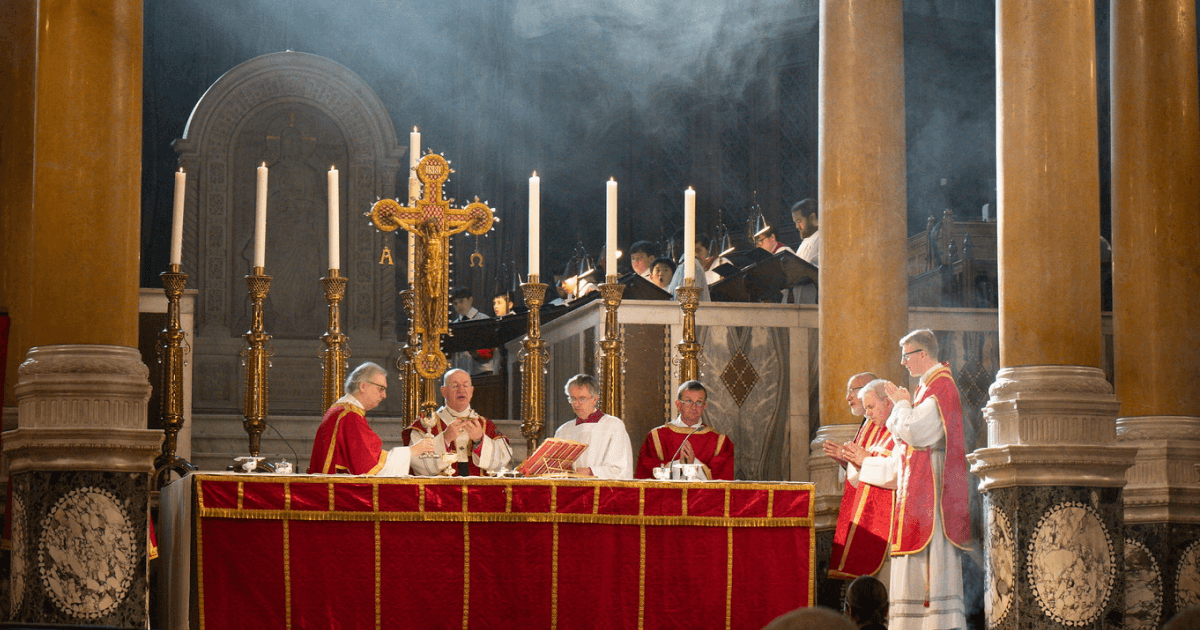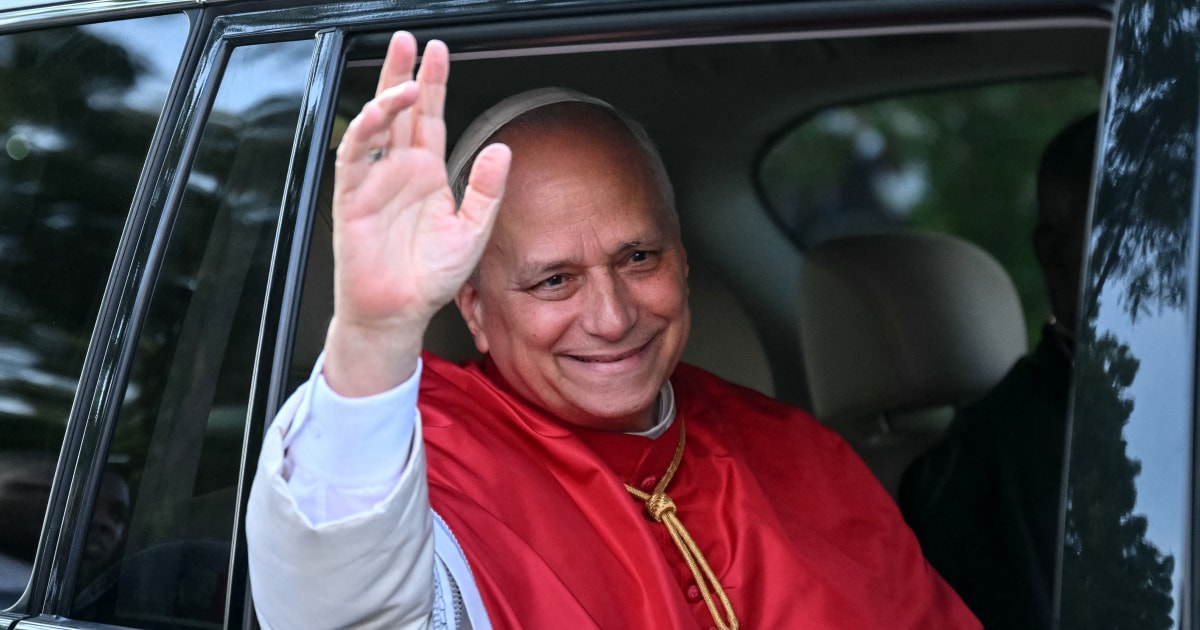
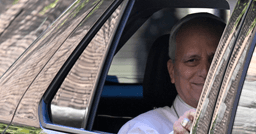
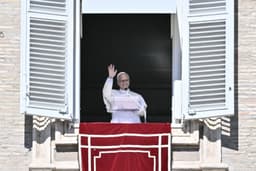
Pope Leo XIV warned Catholics in Angola on Monday against reducing faith to self-interest, saying Christ must not be treated as “a guru or a good luck charm” sought only for personal advantage. Preaching at Mass in Saurimo on 20 April, the Pope used the day’s Gospel to draw a distinction between true discipleship and a merely utilitarian religion.
Speaking to a congregation estimated at around 60,000, Leo reflected on the crowd that followed Jesus after the multiplication of the loaves. “There are erroneous motives for seeking Christ, particularly when he is considered to be a guru or a good luck charm,” he said. “They were not seeking a teacher whom they love but a leader to applaud for their own advantage.”
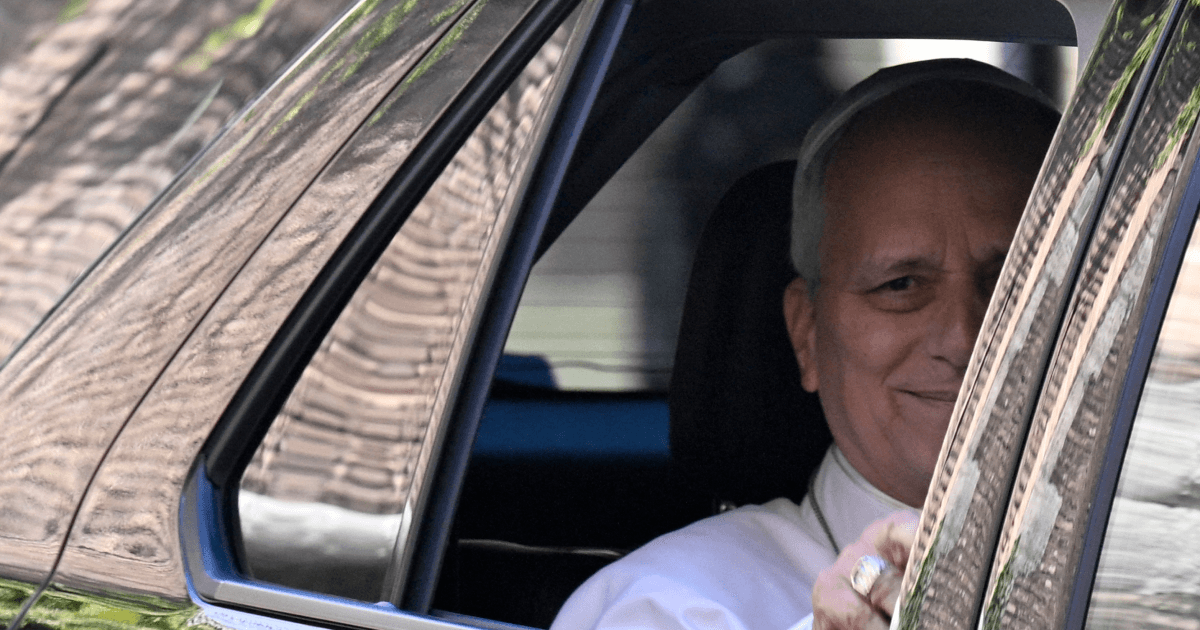
The Pope said the same temptation remains present wherever belief is emptied of conversion and turned instead into a search for benefit, protection or comfort on one’s own terms. “This happens when genuine faith is replaced with superstitious practices,” he said, “in which God becomes an idol that is sought only when it is advantageous to us and only for as long as it is.”
Leo contrasted that attitude with the freedom Christ offers to his followers. “Christ calls us to freedom: He does not want servants or clients, rather he seeks brothers and sisters to whom he can totally dedicate himself,” he said, presenting Christian life not as a transaction but as a relationship rooted in love and gratitude.
The homily also gave the Pope an opening to address Angola’s social realities. Saurimo, in the country’s north-east, is a region associated with diamond wealth but also with persistent poverty. Leo said the Gospel sheds light on a world in which “the hope of many people is frustrated by violence, exploited by the powerful, and defrauded by the rich.” When injustice takes hold, he added, “the bread of all becomes the possession of a few.”
Even so, the Pope’s emphasis was not simply critical but hopeful. “In every part of the world, the Church lives as a people who walk as disciples of Christ, our brother and redeemer,” he said. “He, the Risen One, illumines for us the path to the Father and with the strength of the Spirit he sanctifies us so that we may transform our way of life in conformity with his love.”
Leo urged the Church in Angola to persevere in that spirit, describing its life as part of a wider “synod of resurrection and hope”, borrowing a phrase from St John Paul II. He also praised the country’s strong culture of vocations, telling the faithful that this vitality was a sign of their openness to the Lord’s gifts.
The atmosphere in Saurimo was marked by celebration as much as solemnity, with songs, dancing and applause greeting the Pope despite the heat. For the local Church, the visit carried particular significance: local Catholic leaders noted that it was the first time a pope had travelled beyond Angola’s coastal belt to the country’s interior, bringing papal attention to one of its poorer peripheral regions.