
April 18, 2026

Pope Leo warns against mixing Catholic faith with ‘esoteric’ beliefs in Cameroon

The Catholic Herald
More
Related
Min read
share

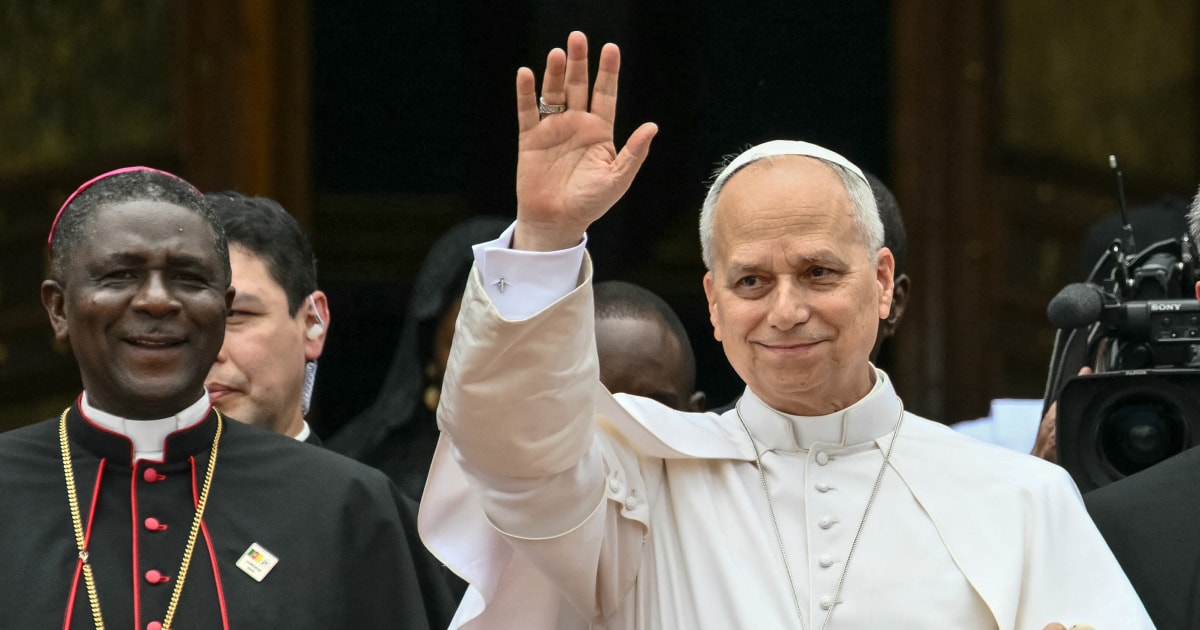
Pope Leo has warned Catholics in Africa against blending the Faith with non-Christian beliefs, cautioning that such practices risk distorting Catholic teaching, as he celebrated Mass in Bamenda during his apostolic visit to Cameroon.

Preaching on April 16 before a congregation of around 20,000 people gathered at Bamenda airport, the Pope said the Christian life “calls us to be vigilant, even regarding our own religious practices, so as not to fall into the trap of mixing the Catholic faith with other beliefs and traditions of an esoteric or Gnostic nature”.
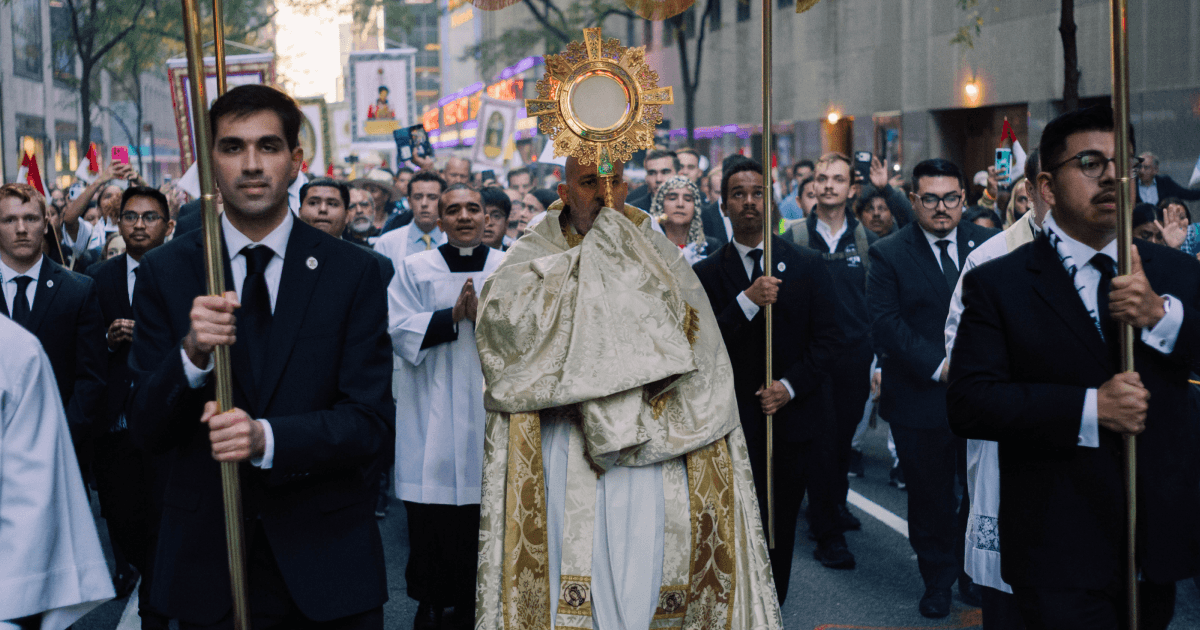
In his homily, the Pope addressed the situation directly, voicing support for those seeking to rebuild society. He said he shared the people’s hope “for a future of peace and reconciliation, in which the dignity of every person is respected and their fundamental rights guaranteed”. He added that this hope “is continually disappointed by the many problems afflicting this beautiful land”.

The Pope pointed to a range of difficulties affecting the country, including poverty, corruption and weaknesses in public services. Referring to economic conditions, he spoke of “widespread poverty, seen above all in the management of wealth, which hinders the development of institutions and infrastructure”.

He also highlighted pressures on education and healthcare, as well as migration, noting the “large-scale migration to foreign countries, particularly of young people”. These trends, he indicated, continue to undermine stability and prospects for development.

Alongside domestic challenges, the Pope referred to external economic pressures on the continent. He said: “Added to these internal problems, which are often fueled by hatred and violence, is the damage caused from outside, by those who, in the name of profit, continue to lay their hands on the African continent to exploit and plunder it.”

Despite these difficulties, the Pope praised the faith of the local Catholic community, pointing to the character of the liturgy and the resilience of believers. He described the celebrations as signs “of your trusting surrender to God, of your unshakeable hope and of your clinging to the love of the Father”.

At the same time, the Pope acknowledged the reality of suffering, saying there are “many situations in life that break our hearts”, and that hopes for peace and justice are often frustrated.

Turning to the question of change, the Pope urged immediate action, telling the congregation: “The time has come, today and not tomorrow, now and not in the future, to restore the mosaic of unity by bringing together the diversity and riches of the country and the continent.”

His remarks were met with applause from those present. He continued by stressing the need for renewal grounded in faith, stating that “the word of the Lord opens up new possibilities and brings about transformation and healing”.

The Pope added: “God is newness… God makes us courageous people who, by confronting evil, build up the good.”

Drawing on the example of the early Church, the Pope referred to the Apostles as witnesses who spoke out against injustice. He said their message became “a voice of conscience, a prophecy, a denunciation of evil”.

He then repeated a phrase associated with the Acts of the Apostles, saying: “We must obey God rather than any human authority,” and argued that those who do so “rediscover their inner freedom… and become builders of peace and fraternity”.

The warning against syncretism formed the closing part of his homily, returning to the theme of vigilance in religious practice. He cautioned that beliefs of an “esoteric or Gnostic nature” can enter into Christian life and alter its substance, particularly in contexts marked by social and political pressure.

The Pope’s visit to Bamenda is part of a wider trip to Africa, during which he has addressed questions of conflict, poverty and evangelisation. The stop in Cameroon has focused attention on the situation in the northwest of the country, where Church leaders have continued to appeal for dialogue and an end to violence.

Continue reading with a free account

Create a free account to read up to five articles each month
Create free account

You have # free articles remaining this month.

Subscribe to get unlimited access.
Sign up

subscribe to the catholic herald today

Our best content is exclusively available to our subscribers. Subscribe today and gain instant access to expert analysis, in-depth articles, and thought-provoking insights—anytime, anywhere. Don’t miss out on the conversations that matter most.
Subscribe