
March 31, 2026

Pope Leo XIV to meet Anglican primate in Rome

The Catholic Herald
More
Related
Min read
share

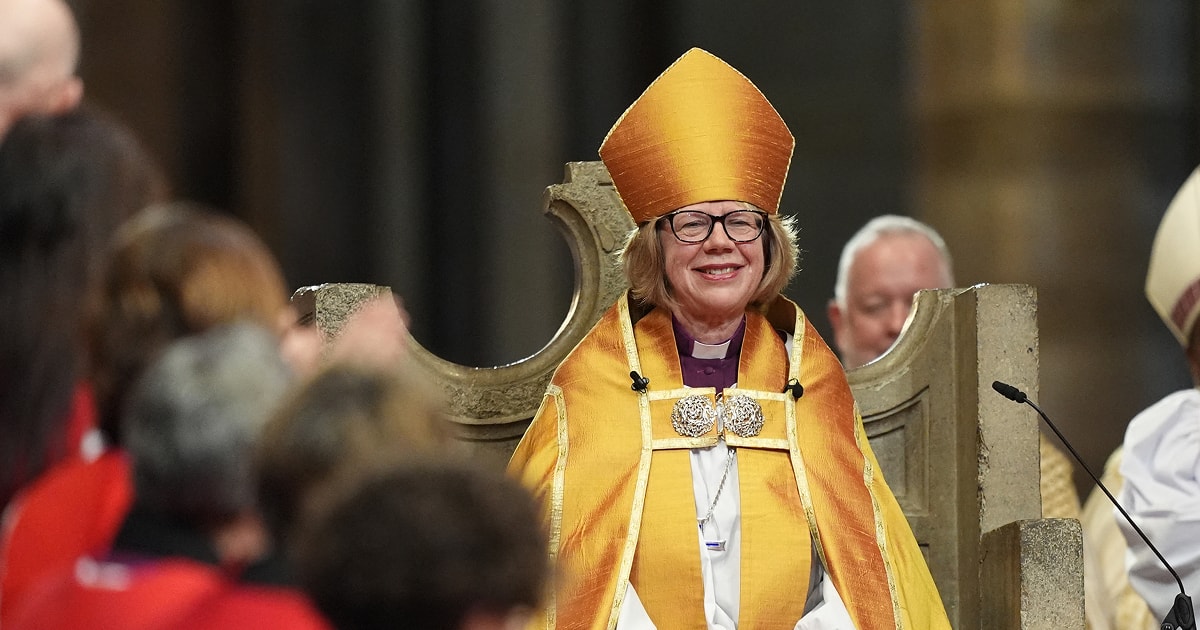
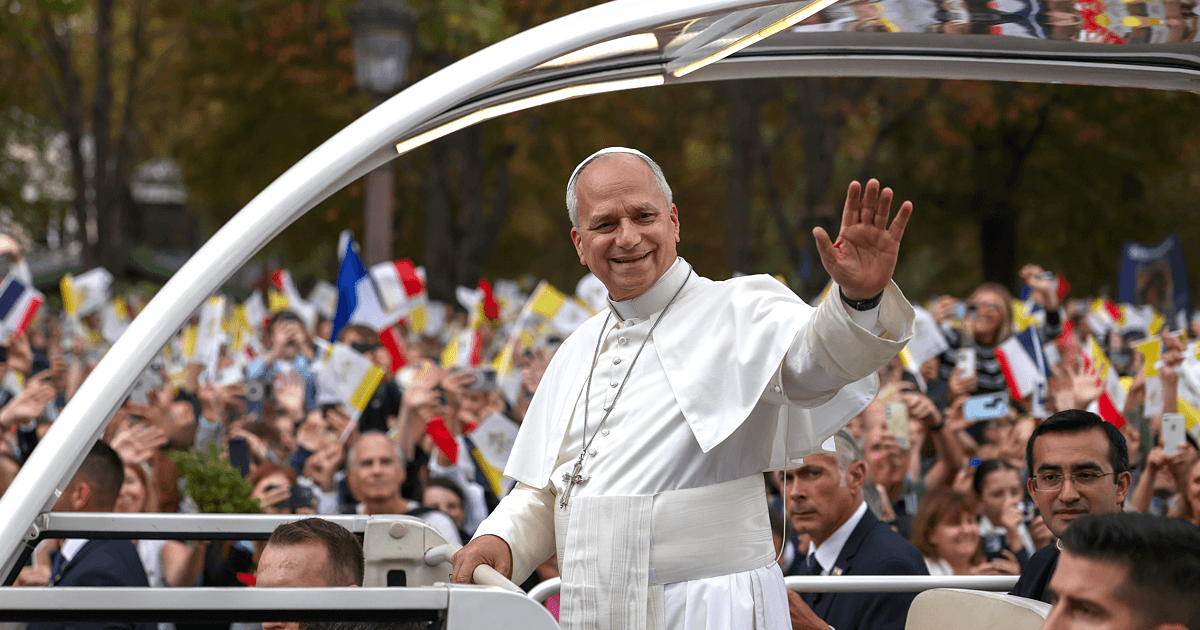
Pope Leo XIV is to receive the Anglican Primate, Sarah Mullally, in Rome next month, in a visit scheduled to take place from April 25 to 28, in what will be the first meeting between the two since her installation as Archbishop of Canterbury.

The encounter follows a personal message sent by the Pope to Mullally after her installation on March 25, when she was formally seated on St Augustine’s chair at Canterbury Cathedral by the Dean of Canterbury, David Monteith. In his letter, dated March 20 and issued from the Vatican, the Pope extended “prayerful greetings” and acknowledged the weight of the office she has assumed within the Church of England and the wider Anglican Communion.
“With this assurance of God’s abiding presence, I send prayerful greetings to Your Grace on the occasion of your installation as Archbishop of Canterbury,” the Pope wrote. He continued by noting the “challenging moment in the history of the Anglican family”, adding, “In asking the Lord to strengthen you with the gift of wisdom, I pray that you may be guided by the Holy Spirit in serving your communities, and draw inspiration from the example of Mary, the Mother of God.”

“We have continued to walk together, because differences ‘cannot prevent us from recognising one another as brothers and sisters in Christ by reason of our common baptism’,” he wrote, citing the 2016 joint declaration signed by Pope Francis and Justin Welby.

Leo XIV also placed the relationship within a longer historical arc, recalling the 1966 meeting between Pope Paul VI and Michael Ramsey, which marked the beginning of modern Anglican–Catholic dialogue. That encounter, he said, inaugurated “a new stage in the development of fraternal relations, based upon Christian charity”, a process that has since been sustained through bodies such as the Anglican–Roman Catholic International Commission (ARCIC). “The rewards of this valuable work have set us free to witness together more effectively,” he added.

At the same time, the Pope acknowledged that the path towards unity has not been without difficulty. “The ecumenical journey has not always been smooth,” he wrote, observing that “new circumstances have presented new disagreements among us”, while insisting that dialogue must continue “in truth and love”.

The Pope’s letter concluded with a clear statement of purpose, linking the pursuit of Christian unity to the mission of evangelisation. “The unity which Christians seek is never an end in itself, but is directed towards the proclamation of Christ,” he wrote, adding that “it would be a scandal if, due to our divisions, we did not fulfil our common vocation to make Christ known”.

Mullally, in a formal reply addressed to “His Holiness Pope Leo XIV”, expressed gratitude for the message and for what she described as his “invocation of the Holy Spirit’s guidance”. Quoting the Prologue of St John’s Gospel, “And the Word became flesh and dwelt among us”, she thanked the Pope for his prayers and for his “generous recognition of the enduring fruits of our ecumenical path”.

“I share your conviction that our continued dialogue in truth and love is both a gift and a calling,” she wrote, pointing in particular to the work of ARCIC and the International Anglican–Roman Catholic Commission for Unity and Mission (IARCCUM). She also cited remarks made by the Pope in May 2025, in which he had identified the restoration of “full and visible communion” among Christians as a priority of his pontificate.

“As Archbishop of Canterbury, I too am called to serve as an instrument of communion within the Anglican Communion, and to seek the full and visible unity to which our Lord has called us all,” she wrote, adding that such unity must be pursued “step by step”, and above all through the work of the Holy Spirit.

Sarah Mullally’s installation as Archbishop of Canterbury comes at a time of considerable challenge for the Anglican Communion.

GAFCON (Global Fellowship of Confessing Anglicans) has been at the centre of challenges to authority within the Communion. The group, which claims to represent 85 per cent of the world’s practising Anglicans, formed in 2008 in response to a perceived sense that the Anglican Communion was deviating from biblical principles. Earlier this month they met in Nigeria’s capital to elect its own leader within the Anglican Communion. Archbishop Laurent Mbanda of Rwanda, who does not believe women should be bishops, was elected chairman.

While there is no authority over the entire Anglican Communion, the Archbishop of Canterbury is seen as having a symbolic leadership role which encourages unity. Sarah Mullally inherits a Communion divided, where many adherents no longer attribute authority to the position of Archbishop of Canterbury.

The planned visit to Rome will provide an opportunity for the Pope and Mullally to reaffirm the trajectory of Anglican–Catholic relations at a time when ecumenical dialogue continues alongside significant doctrinal divergence. It will be notable as Sarah Mullally will be the first female Anglican head to meet His Holiness, a development which has highlighted not just the theological differences between Rome and Canterbury, but also those within the Anglican communion itself.

Pope Leo XIV is to receive the Anglican Primate, Sarah Mullally, in Rome next month, in a visit scheduled to take place from April 25 to 28, in what will be the first meeting between the two since her installation as Archbishop of Canterbury.

The encounter follows a personal message sent by the Pope to Mullally after her installation on March 25, when she was formally seated on St Augustine’s chair at Canterbury Cathedral by the Dean of Canterbury, David Monteith. In his letter, dated March 20 and issued from the Vatican, the Pope extended “prayerful greetings” and acknowledged the weight of the office she has assumed within the Church of England and the wider Anglican Communion.

“With this assurance of God’s abiding presence, I send prayerful greetings to Your Grace on the occasion of your installation as Archbishop of Canterbury,” the Pope wrote. He continued by noting the “challenging moment in the history of the Anglican family”, adding, “In asking the Lord to strengthen you with the gift of wisdom, I pray that you may be guided by the Holy Spirit in serving your communities, and draw inspiration from the example of Mary, the Mother of God.”

“We have continued to walk together, because differences ‘cannot prevent us from recognising one another as brothers and sisters in Christ by reason of our common baptism’,” he wrote, citing the 2016 joint declaration signed by Pope Francis and Justin Welby.

Leo XIV also placed the relationship within a longer historical arc, recalling the 1966 meeting between Pope Paul VI and Michael Ramsey, which marked the beginning of modern Anglican–Catholic dialogue. That encounter, he said, inaugurated “a new stage in the development of fraternal relations, based upon Christian charity”, a process that has since been sustained through bodies such as the Anglican–Roman Catholic International Commission (ARCIC). “The rewards of this valuable work have set us free to witness together more effectively,” he added.

At the same time, the Pope acknowledged that the path towards unity has not been without difficulty. “The ecumenical journey has not always been smooth,” he wrote, observing that “new circumstances have presented new disagreements among us”, while insisting that dialogue must continue “in truth and love”.

The Pope’s letter concluded with a clear statement of purpose, linking the pursuit of Christian unity to the mission of evangelisation. “The unity which Christians seek is never an end in itself, but is directed towards the proclamation of Christ,” he wrote, adding that “it would be a scandal if, due to our divisions, we did not fulfil our common vocation to make Christ known”.

Mullally, in a formal reply addressed to “His Holiness Pope Leo XIV”, expressed gratitude for the message and for what she described as his “invocation of the Holy Spirit’s guidance”. Quoting the Prologue of St John’s Gospel, “And the Word became flesh and dwelt among us”, she thanked the Pope for his prayers and for his “generous recognition of the enduring fruits of our ecumenical path”.

“I share your conviction that our continued dialogue in truth and love is both a gift and a calling,” she wrote, pointing in particular to the work of ARCIC and the International Anglican–Roman Catholic Commission for Unity and Mission (IARCCUM). She also cited remarks made by the Pope in May 2025, in which he had identified the restoration of “full and visible communion” among Christians as a priority of his pontificate.

“As Archbishop of Canterbury, I too am called to serve as an instrument of communion within the Anglican Communion, and to seek the full and visible unity to which our Lord has called us all,” she wrote, adding that such unity must be pursued “step by step”, and above all through the work of the Holy Spirit.

Sarah Mullally’s installation as Archbishop of Canterbury comes at a time of considerable challenge for the Anglican Communion.

GAFCON (Global Fellowship of Confessing Anglicans) has been at the centre of challenges to authority within the Communion. The group, which claims to represent 85 per cent of the world’s practising Anglicans, formed in 2008 in response to a perceived sense that the Anglican Communion was deviating from biblical principles. Earlier this month they met in Nigeria’s capital to elect its own leader within the Anglican Communion. Archbishop Laurent Mbanda of Rwanda, who does not believe women should be bishops, was elected chairman.

While there is no authority over the entire Anglican Communion, the Archbishop of Canterbury is seen as having a symbolic leadership role which encourages unity. Sarah Mullally inherits a Communion divided, where many adherents no longer attribute authority to the position of Archbishop of Canterbury.

The planned visit to Rome will provide an opportunity for the Pope and Mullally to reaffirm the trajectory of Anglican–Catholic relations at a time when ecumenical dialogue continues alongside significant doctrinal divergence. It will be notable as Sarah Mullally will be the first female Anglican head to meet His Holiness, a development which has highlighted not just the theological differences between Rome and Canterbury, but also those within the Anglican communion itself.

subscribe to
the catholic herald

Continue reading your article with a subscription.
Read 5 articles with our free plan.
Subscribe

subscribe to the catholic herald today

Our best content is exclusively available to our subscribers. Subscribe today and gain instant access to expert analysis, in-depth articles, and thought-provoking insights—anytime, anywhere. Don’t miss out on the conversations that matter most.
Subscribe