



May 6, 2026

Pope Leo's first encyclical due on May 15

Thomas Colsy
More
Related
Min read
share

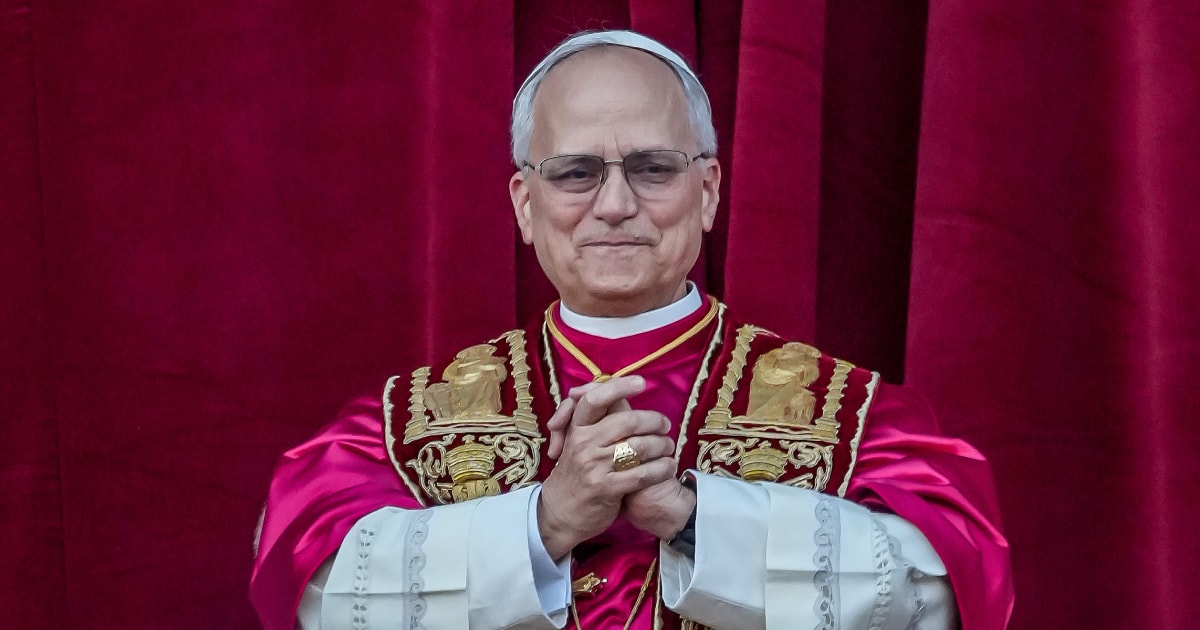
Pope Leo XIV is expected to sign his first encyclical on May 15, according to Vatican sources cited by the German Catholic news agency KNA, with the document – provisionally titled Magnifica Humanitas – set to address artificial intelligence, international peace and what the Holy See describes as a crisis in international law.

The date of publication has not been officially confirmed by the Vatican Press Office, and the title remains provisional. No draft text has been released. The encyclical will nonetheless constitute the first major magisterial document of the pontificate, and the choice of date, were it to be confirmed, would align Leo XIV with a tradition of social teaching stretching back to his namesake’s 1891 encyclical Rerum Novarum.
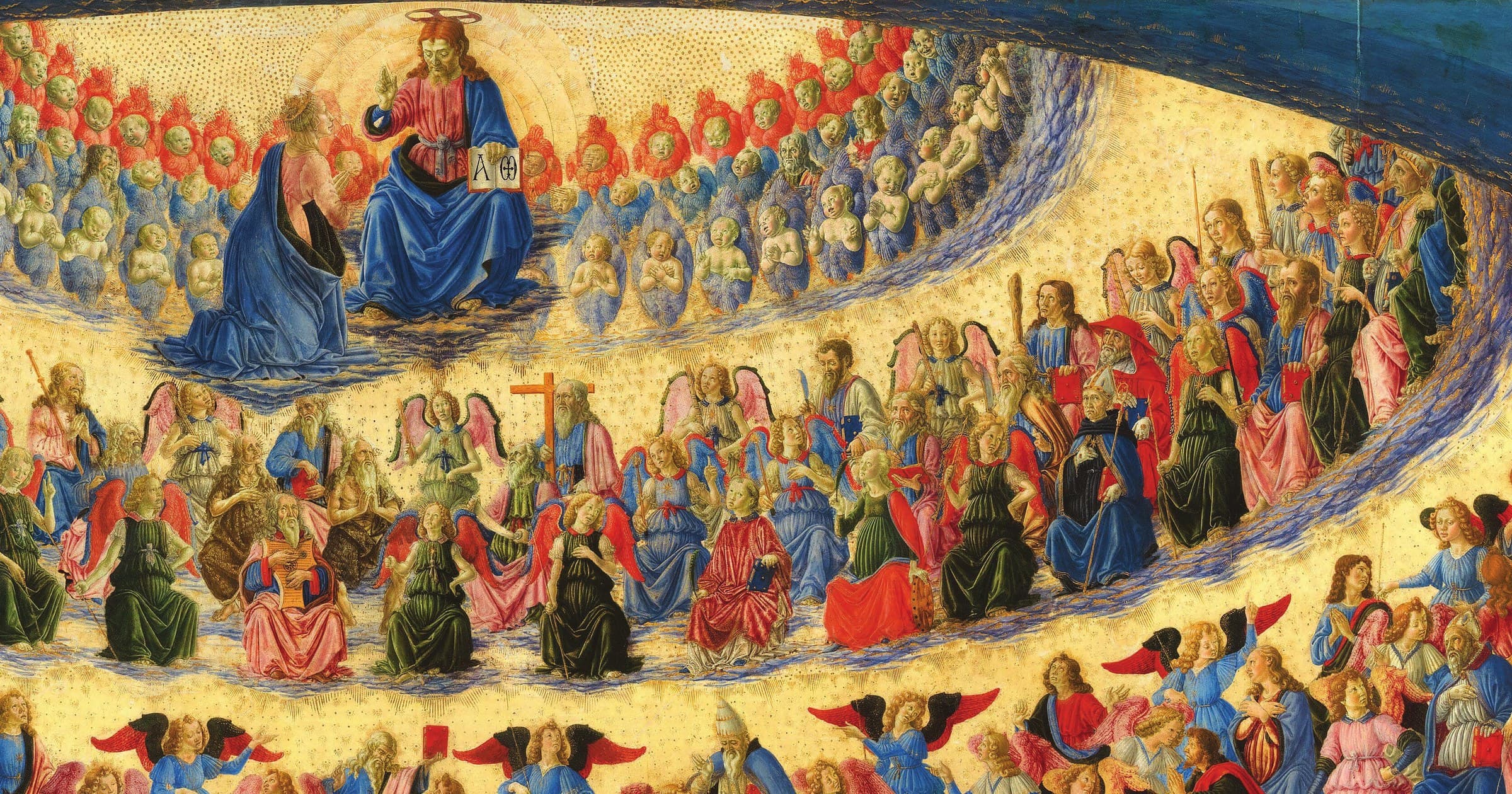
Rerum Novarum, issued by Pope Leo XIII on May 15, 1891, established the doctrinal foundation of Catholic social teaching, articulating the Church’s response to industrial capitalism: the right to private property, the moral necessity of just wages, the dignity of labour and the duty of the state to protect the poor. It has been described as one of the most consequential documents in the history of the modern papacy.

Three subsequent social encyclicals were issued on the same anniversary date. Pope Pius XI released Quadragesimo Anno on May 15, 1931, marking the 40th anniversary of Rerum Novarum and introducing the principle of subsidiarity – that decisions should be taken at the lowest level of competence capable of addressing them. Pope John XXIII followed on May 15, 1961, with Mater et Magistra, addressing economic inequality and international development. Pope John Paul II had intended to mark the 70th anniversary with an encyclical on May 15, 1981, but the assassination attempt on his life two days earlier, on May 13, led to the postponement of Laborem Exercens until September of that year. Centesimus Annus, his assessment of capitalism following the collapse of the Soviet bloc, was published on May 1, 1991.

The choice of May 15, if confirmed, would place Leo XIV in a line of direct succession to Leo XIII, whose social magisterium the new Pope has repeatedly cited as a model for the Church’s engagement with an age of technological disruption.

The encyclical is expected to expand on work already under way within the dicasteries. On January 28, 2025, the Dicastery for the Doctrine of the Faith and the Dicastery for Culture and Education jointly issued Antiqua et Nova, a 30-page doctrinal note on the relationship between artificial intelligence and human intelligence, signed by Cardinal Víctor Manuel Fernández and Cardinal José Tolentino de Mendonça. That document, running to 117 paragraphs, argued that artificial intelligence is a product of human intelligence, not a rival form of it, and insisted that AI systems must remain under human moral oversight. It warned that AI risked deepening inequality, manipulating public opinion and expanding the instruments of war beyond the scope of human control – a concern it described as carrying the potential for consequences on a civilisational scale.

Antiqua et Nova also invoked subsidiarity in its treatment of AI governance, arguing that regulatory decision-making should be decentralised across multiple levels of society. The note was a preparatory document; Magnifica humanitas, if its reported scope is accurate, would elevate these arguments to the level of full papal magisterium.

Cardinal Fernández indicated in November 2025 that the encyclical would address artificial intelligence and, in his words, “the general situation of society”. Leo XIV himself has spoken publicly about the dangers of what he has termed “uncontrolled technology” and the importance of preserving “the inviolable dignity of every human being” in the face of accelerating technological change.

The reported themes of the encyclical – alongside artificial intelligence, it is understood to address the fragility of international legal structures and geopolitical instability – extend the expected scope of the document well beyond a purely technological brief.

Continue reading with a free account

Create a free account to read up to five articles each month
Create free account

You have # free articles remaining this month.

Subscribe to get unlimited access.
Sign up

subscribe to the catholic herald today

Our best content is exclusively available to our subscribers. Subscribe today and gain instant access to expert analysis, in-depth articles, and thought-provoking insights—anytime, anywhere. Don’t miss out on the conversations that matter most.
Subscribe