
A quick look at the first appointments and audiences at the outset of a new papacy offers a small insight into the new system and indicates what is on the mind of the new Pope in terms of pastoral and administrative priorities.
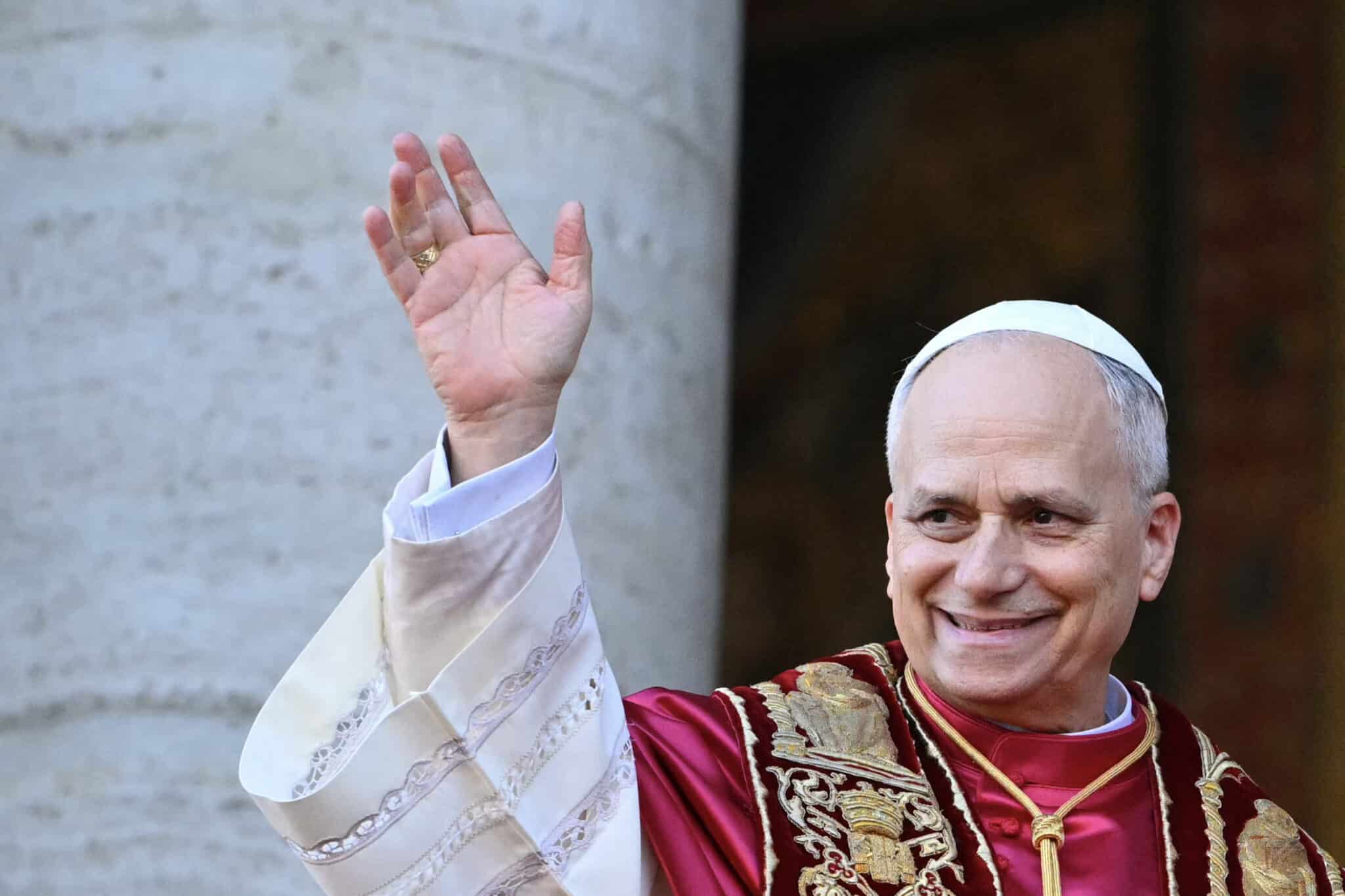
As Pope Leo XIV approaches nearly a month at the helm of the Catholic Church, with more than two weeks of scheduling meetings and making various initial decisions – beyond the expected meetings with state leaders in town for his election and installation activities – his top priorities are already beginning to take shape.
On the whole, they seem to indicate his intention to carry on the unfinished business of the Francis papacy, from finances to the abuse crisis to the reform of the Roman Curia.
One of the most notable meetings came on Tuesday, May 27, when Pope Leo held a private meeting with the disgraced Italian Cardinal Angelo Becciu, 76, who in December 2023 was sentenced to five and a half years in jail at the culmination of the Vatican’s so-called Trial of the Century for financial crimes related to a shady real estate deal in London, in which the Vatican took a loss of roughly $250 million.
In addition to his jail time, Becciu was also fined roughly $8,700 and permanently barred from holding any public office in the Vatican City State. Becciu, the first cardinal to ever be convicted and sentenced in a Vatican civil court, has consistently denied the allegations against him and has filed an appeal.
Prior to the conclave that elected Pope Leo XIV, Becciu attended pre-conclave general congregation meetings, insisting he had not been barred from voting in the conclave until he was reportedly shown a letter from Pope Francis stating that Becciu could not vote, after which he withdrew from participation.
The cardinals participating in the general congregations then published a communique thanking Becciu for bowing out gracefully, and voiced hope that the competent judicial authorities would “definitively ascertain the facts".
Some cardinals were reportedly unhappy with the way Becciu was treated, and believed he got a raw deal.
By meeting with Becciu, Pope Leo is not necessarily rehabilitating or reinstating him, or giving any stamp of approval, but is potentially trying to address one of the most urgent and glaring situations that emerged during pre-conclave meetings that left a bad taste in the mouths of at least some cardinals.
Taken in tandem with his decision to give an official job – however nominal – to Guinean Cardinal Robert Sarah, Prefect Emeritus of the Congregation for Divine Worship and the Discipline of the Sacraments, indicates that Leo is trying to some degree to mend fences and deal with painful situations not just in the Church, but in the body of the College of Cardinals.
Perhaps most indicative, however, is Pope Leo’s first official meeting – beyond the heads of state who visited for his election and inaugural Mass – after taking office.
On 14 May, the Pope held a private meeting with American Cardinal Seán Patrick O’Malley, archbishop emeritus of Boston and president of the Pontifical Commission for the Protection of Minors. Prior to the conclave and during the general congregations, two issues repeatedly emerged as among the most glaring problems the Church continued to face: The Vatican’s financial crisis, and ongoing fallout from the clerical abuse crisis.
The Pope's choice to meet with O’Malley as his first official audience, then, is indicative of just how much of a priority the abuse crisis will be in his papacy, especially given his vast experience with the Peru-based Sodalitium Christiane Vitae (SCV), a society of apostolic life whose case the new Pope had been personally involved in as bishop and cardinal, and which was suppressed by Pope Francis earlier this year, shortly before his death.
Other meetings that indicate what is on the new Pope's mind are as follows. Leo met on 12 May with Cardinal Baldassare Reina, vicar of the Diocese of Rome. That meeting was most probably focused on his installation as Bishop of Rome, though also possibly on the longer-term implications, given suggestions that Pope Leo intends on taking his specific role as Bishop of Rome more seriously than his predecessor did.
3:30 PM
Pope Leo XIV’s first weeks: abuse, finances and fences to mend
a quick look at the first appointments and audiences at the outset of a new papacy offers a small insight into the new system and indicates ...
Elise Allen

7 min read



Already a subscriber? Sign in
5freearticles every month
Continue reading with a free account. No card needed.
- Five free articles every thirty days, on any device you sign in on
- The Catholic Herald newsletter, every morning
- Subscribe whenever you like for everything: every article and the magazine


subscribe to the catholic herald today
Our best content is exclusively available to our subscribers. Subscribe today and gain instant access to expert analysis, in-depth articles, and thought-provoking insights—anytime, anywhere. Don’t miss out on the conversations that matter most.
Subscribe



