

As he ended a question-and-answer session on Saturday, Pope Francis made a revealing remark. After asking for prayers, he said with a laugh: “This job is not easy.” Earlier that week the Pontiff had set off what journalists like to call a “social media firestorm”. In an improvised address, he had suggested that “a great majority” of Catholic weddings were, in fact, invalid. As uproar began to spread, he authorised a change in the official Italian transcript of his address, replacing “a great majority” with “a portion”. The incident seemed like a microcosm of this still young pontificate: a seemingly revolutionary statement, followed by an internet backlash and a rapid reversal. If this pattern irks us, we should consider Francis’s point that being Pope is far from easy. Think of the characteristics that we take for granted in a Bishop of Rome today. He must be a guardian of faith, reformer, theologian, preacher, pastor, liturgist, spiritual father, global statesman, polyglot, motivator and hugger-in-chief. Those are just the basics: we demand much else besides. It ought to go without saying that no pope can excel in all areas. But we’ve had such impressive popes in the past century that we’ve come to expect little short of perfection. Yet all popes have had weaknesses. It is said that Pius XII was aloof, John XXIII a gourmand, Paul VI indecisive, John Paul I anxious, John Paul II short-tempered and Benedict XVI timid. These alleged faults are arguably nothing compared to those of St Peter, the first pope, who consistently misunderstood Jesus and then, at the crucial moment, denied him three times. “To depict the pope as a sort of superman, a sort of star, seems offensive to me,” Francis said in March 2014. “The pope is a man who laughs, cries, sleeps tranquilly and has friends like everyone else, a normal person.” If the pope is not a kind of spiritual superman, what is he? As the Catechism explains, Peter’s successor “is the perpetual and visible source and foundation of the unity both of the bishops and of the whole company of the faithful”. As the Vicar of Christ and pastor of the entire Church, he has “full, supreme and universal power over the whole Church, a power which he can always exercise unhindered”. A pope has these qualities regardless of personal strengths and weaknesses. Our subjective opinion of a particular pope is, therefore, essentially irrelevant: the objective nature of the office is what matters. For a contemporary illustration of this point, look at the Pan-Orthodox Council meeting in Crete this week. The gathering was supposed to bring together the world’s Orthodox leaders. But despite half a century of planning, a number refused to attend at the last minute, underlining the lack of a unifying figure within Orthodoxy. It’s significant that, before he said that being pope was not easy last Saturday, Francis asked for prayers. “Reza por mi” – “pray for me” – has been his consistent refrain since his election. He asks almost everyone he encounters, from families in Rio’s favelas to Queen Elizabeth II, to pray for him. If we critique the Pope more than we pray for him, then it is we who need to change. To adapt the words of John F Kennedy, don’t ask what the Pope can do for you; ask what you can do for the Pope.
1:00 PM
Pray for Francis
Staff writers

5 min read



Already a subscriber? Sign in
5freearticles every month
Continue reading with a free account. No card needed.
- Five free articles every thirty days, on any device you sign in on
- The Catholic Herald newsletter, every morning
- Subscribe whenever you like for everything: every article and the magazine
Related articles
 Newsroom
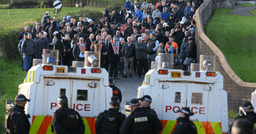
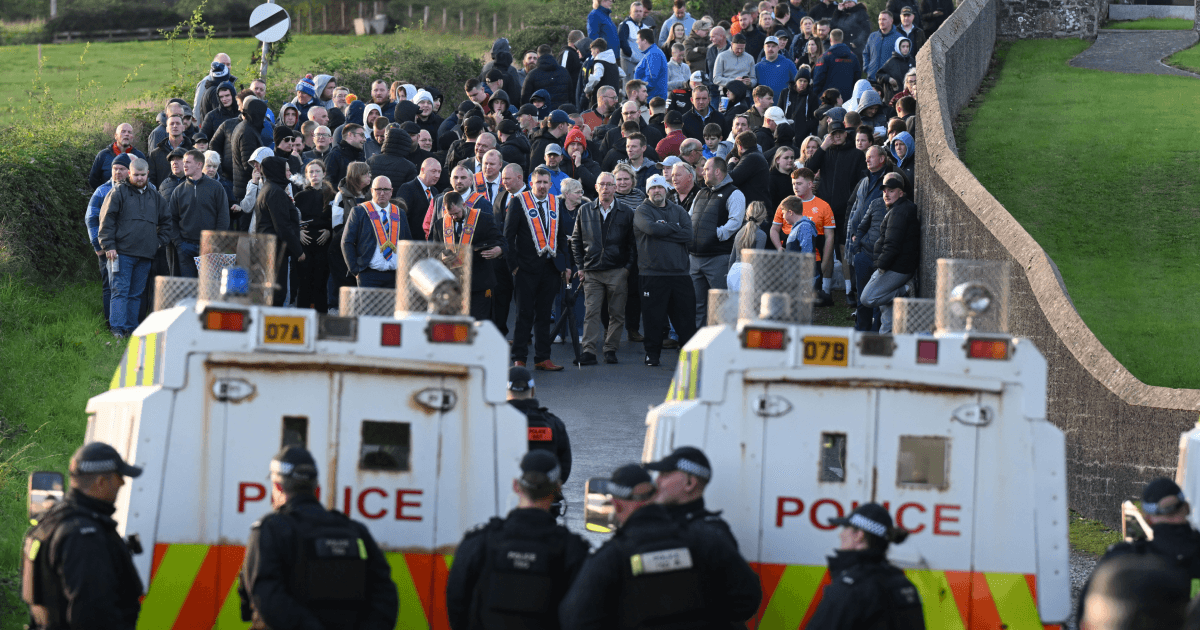
Church leaders urge Drumcree dialogue: ‘Too much is at stake’
The Catholic and Church of Ireland Archbishops of Armagh have urged a renewed commitment to peace and reconciliation amid the Drumcree stand-off
Corrie Douglas-Young Newsroom
Thousands of Irish children to join global Rosary campaign
Corrie Douglas-Young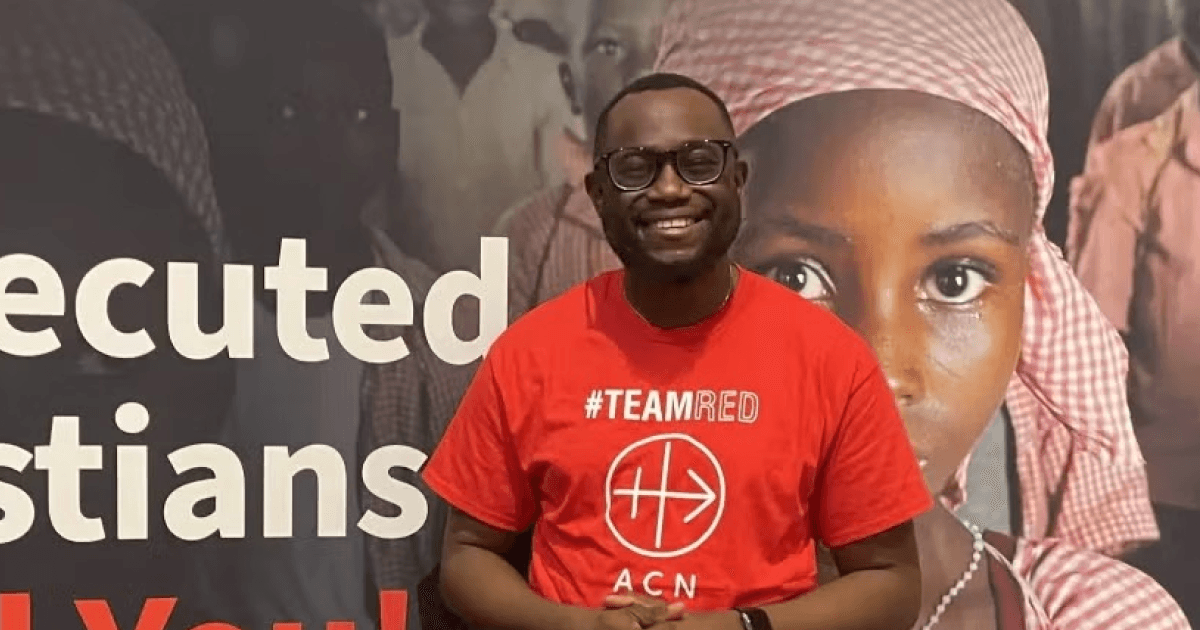 Newsroom
TikTok priest urges young people to stand with persecuted Christians
Nathalie Raffray Newsroom
Baby born at 25 weeks reunites with neonatologist two years after leaving hospital
The Catholic Herald Newsroom
Joe Biden honoured by Planned Parenthood after defending abortion rights
Christine Rousselle
subscribe to the catholic herald today
Our best content is exclusively available to our subscribers. Subscribe today and gain instant access to expert analysis, in-depth articles, and thought-provoking insights—anytime, anywhere. Don’t miss out on the conversations that matter most.
Subscribe



