
February 12, 2026

Preaching the Gospel should be our priority - not bickering about deaconesses

Fr Alexander Lucie-Smith
More
Related
Min read
share

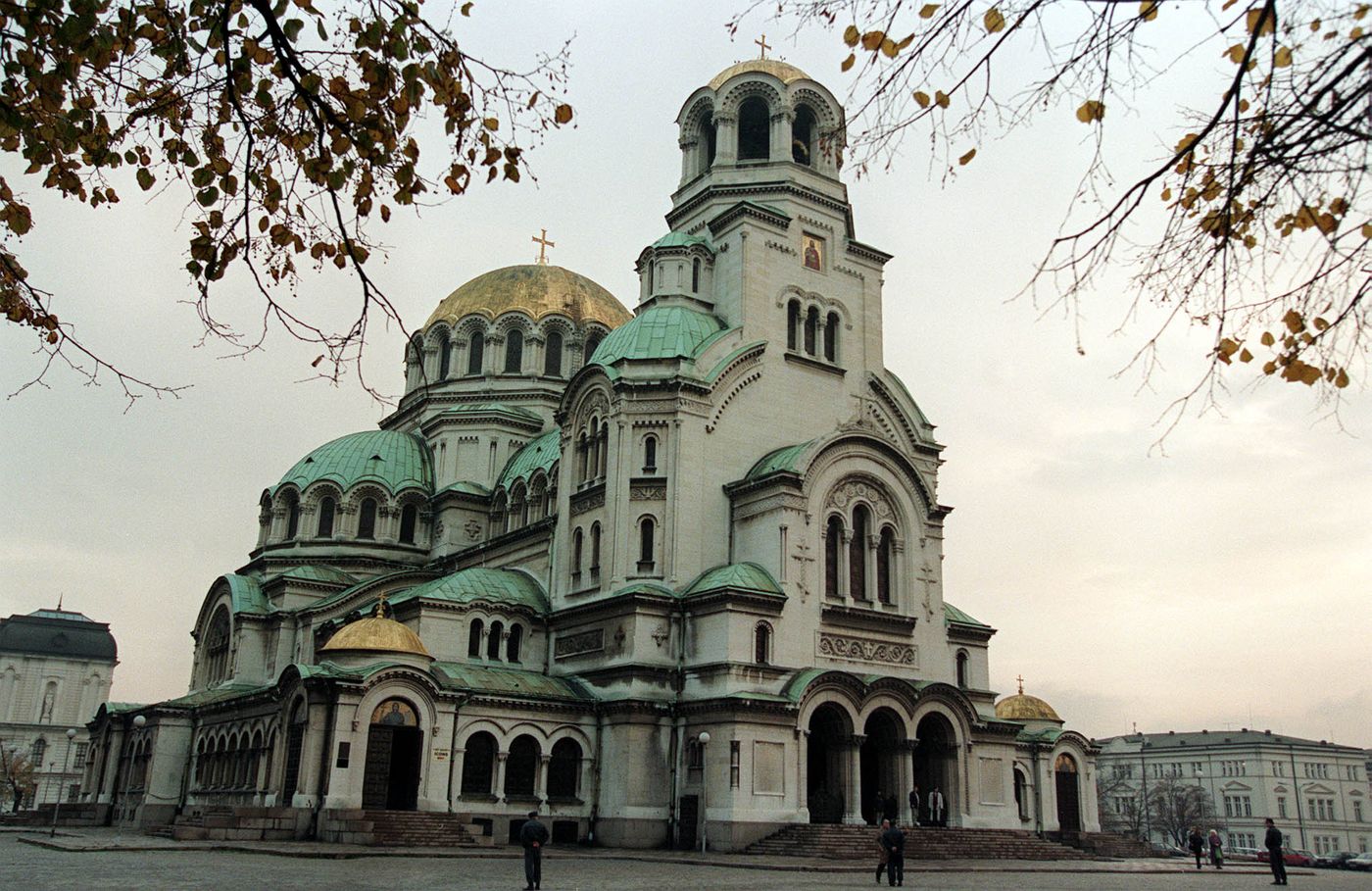
The Sofia Globe, the English language daily that reports on Bulgarian matters, has an interesting story about the latest controversy to rock the Bulgarian Orthodox Church, which is superficially about their failure to condole on the death of Fr Jacques Hamel, but in reality is about much more, to whit, the failure of the Bulgarian hierarchy to accept any compromise with what it sees as the dangers of ecumenism.

It goes into greater detail about the divisions in the Bulgarian Orthodox Church than my previous article on the matter. It is important to note that the Bulgarian situation is pretty typical of the entire Orthodox world, which is a pity for them, given that the Orthodox churches are facing dire challenges, either from ISIS, or Islamic governments, or from secularism or the rising tide of indifference to religion. Their attempt to formulate a response to these challenges is hampered by internal divisions.
The Catholic Church faces similar challenges in various places from Islamism on the one hand and secularism on the other, not to mention various brands of Pentecostal and evangelical movements in places like Latin America, which were once considered the heartland of the Church. These challenges should remind us that the major task we all share as baptised Catholics is the common search for a coherently expressed message of what the Good News that the Church tries to proclaim is. This Good News is, I think, what people want to hear: what they do not want to hear is the sound of Catholics bickering with each other.

Right now there are two pressing matters for the Church to consider. On both counts we have failed to formulate a convincing response.

The first might be summed up as Aleppo. While this ancient and historic city is turned into the new Stalingrad, as Mr Assad, the Russians, the Iranians and Hizbollah fight to the death with the Syrian rebels and their various backers, in what may well be the decisive battle of the Syrian war, the Church has yet to say anything of great moment on this historic confrontation. It is an accepted fact that there cannot be peace in the world without peace between religions, and that this war is a religious war, though not one chiefly between Christians and Muslims, but rather one between Sunni and Shia. This being so, religious people, and the Catholic Church, with the ever-visible Pope at its head, has an important role to play in making peace between world religions. The Pope, for example, might be one of the few who could persuade the Shia and the Sunni, the Saudi and the Iranians, to meet and talk. That might not solve anything, but it would be a necessary step to a solution.

The second matter is money. Poverty kills many in the world today, along with war. The unequal distribution of wealth and the opportunities to create it remains a desperate challenge for millions. Here the Church, while talking much about the poor, is stymied by its inability to manage its own resources. Excellent as the Church's social teaching is, its credibility is hurt by the Vatican's inability to get to grips with internal financial reform, and its failure to confront the Gordian knot that is the Vatican bank. The Church stands against corruption, that great enabler of poverty and injustice, especially in the developing world; yet it can't quite bring itself to close down the Vatican bank, the corruption on its doorstep.

These two matters may seem to reflect a very personal look at the way the Church stands; there may well be other pressing matters; but whatever they are, I am sure the diaconate of women is not one of them! We need to take heed of the Bulgarian example: we need to stop looking in, and look outwards.

The Sofia Globe, the English language daily that reports on Bulgarian matters, has an interesting story about the latest controversy to rock the Bulgarian Orthodox Church, which is superficially about their failure to condole on the death of Fr Jacques Hamel, but in reality is about much more, to whit, the failure of the Bulgarian hierarchy to accept any compromise with what it sees as the dangers of ecumenism.

It goes into greater detail about the divisions in the Bulgarian Orthodox Church than my previous article on the matter. It is important to note that the Bulgarian situation is pretty typical of the entire Orthodox world, which is a pity for them, given that the Orthodox churches are facing dire challenges, either from ISIS, or Islamic governments, or from secularism or the rising tide of indifference to religion. Their attempt to formulate a response to these challenges is hampered by internal divisions.
The Catholic Church faces similar challenges in various places from Islamism on the one hand and secularism on the other, not to mention various brands of Pentecostal and evangelical movements in places like Latin America, which were once considered the heartland of the Church. These challenges should remind us that the major task we all share as baptised Catholics is the common search for a coherently expressed message of what the Good News that the Church tries to proclaim is. This Good News is, I think, what people want to hear: what they do not want to hear is the sound of Catholics bickering with each other.

Right now there are two pressing matters for the Church to consider. On both counts we have failed to formulate a convincing response.

The first might be summed up as Aleppo. While this ancient and historic city is turned into the new Stalingrad, as Mr Assad, the Russians, the Iranians and Hizbollah fight to the death with the Syrian rebels and their various backers, in what may well be the decisive battle of the Syrian war, the Church has yet to say anything of great moment on this historic confrontation. It is an accepted fact that there cannot be peace in the world without peace between religions, and that this war is a religious war, though not one chiefly between Christians and Muslims, but rather one between Sunni and Shia. This being so, religious people, and the Catholic Church, with the ever-visible Pope at its head, has an important role to play in making peace between world religions. The Pope, for example, might be one of the few who could persuade the Shia and the Sunni, the Saudi and the Iranians, to meet and talk. That might not solve anything, but it would be a necessary step to a solution.

The second matter is money. Poverty kills many in the world today, along with war. The unequal distribution of wealth and the opportunities to create it remains a desperate challenge for millions. Here the Church, while talking much about the poor, is stymied by its inability to manage its own resources. Excellent as the Church's social teaching is, its credibility is hurt by the Vatican's inability to get to grips with internal financial reform, and its failure to confront the Gordian knot that is the Vatican bank. The Church stands against corruption, that great enabler of poverty and injustice, especially in the developing world; yet it can't quite bring itself to close down the Vatican bank, the corruption on its doorstep.

These two matters may seem to reflect a very personal look at the way the Church stands; there may well be other pressing matters; but whatever they are, I am sure the diaconate of women is not one of them! We need to take heed of the Bulgarian example: we need to stop looking in, and look outwards.

subscribe to
the catholic herald

Continue reading your article with a subscription.
Read 5 articles with our free plan.
Subscribe

subscribe to the catholic herald today

Our best content is exclusively available to our subscribers. Subscribe today and gain instant access to expert analysis, in-depth articles, and thought-provoking insights—anytime, anywhere. Don’t miss out on the conversations that matter most.
Subscribe