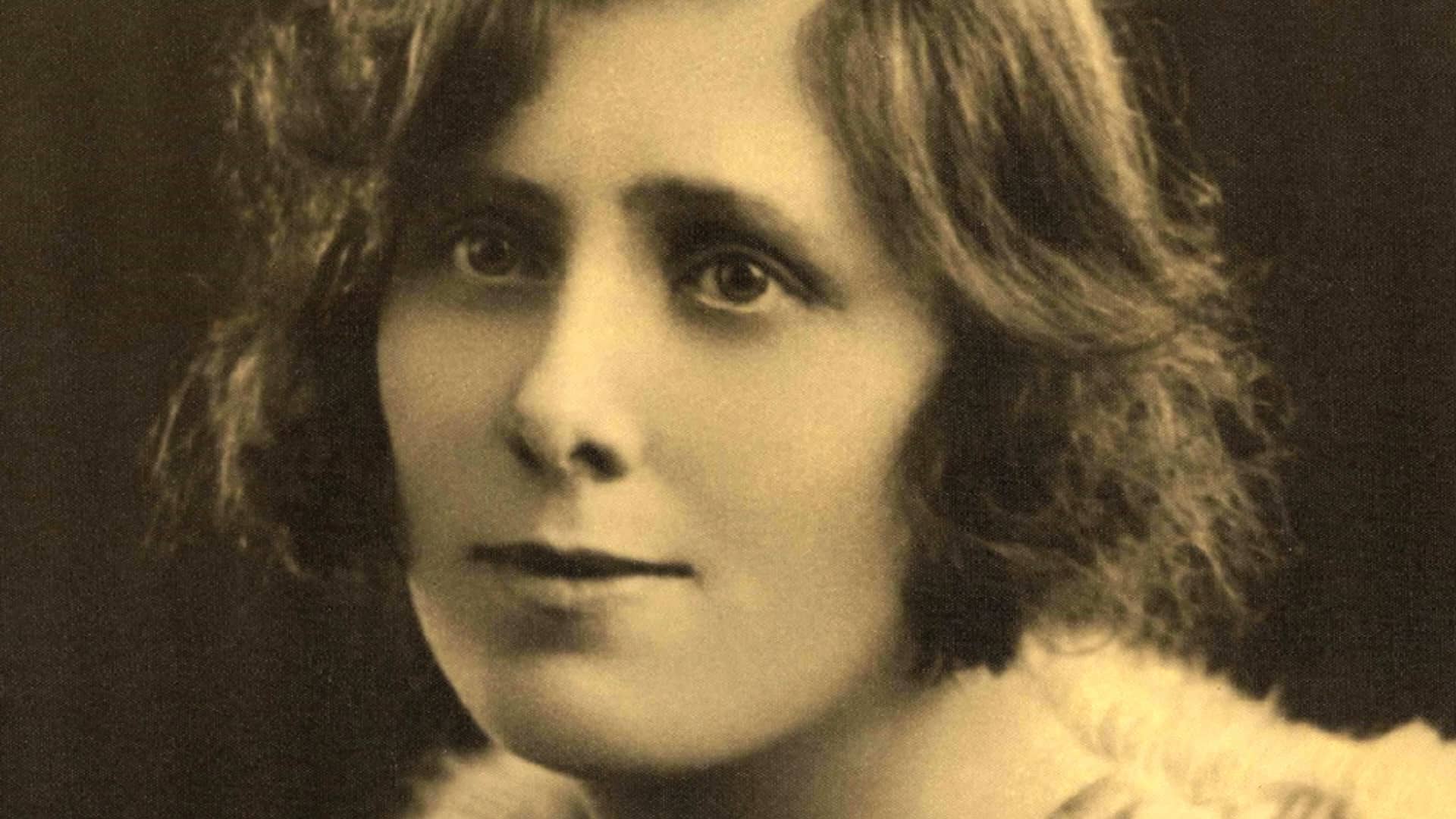
A Glasgow priest whose survival of a “flesh-eating bug” is said to have defied medical explanation has attributed his recovery to the intercession of Venerable Margaret Sinclair, an Edinburgh nun who died in 1925.
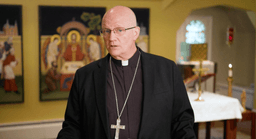
“For 32 years of priesthood, I’ve been preaching the Resurrection of Christ and this is a sign for me that I am doing something which is true and not wasted,” said Mgr Peter Smith, parish priest of St Paul’s in Whiteinch, in an interview with Flourish, the official newspaper of the Archdiocese of Glasgow.
“I don’t want to be the centre of attention, but if I’ve been granted this favour then I have to let it be known and allow the Church to judge it.”
Since being diagnosed with cancer last May, the 58-year-old Mgr Smith has been urging friends and family to pray to Venerable Margaret to aid him.
Two months ago, his health took a turn for the worse when medics discovered a blood clot on his lung and a deadly infection attacking body tissue from his hips to his shoulders.
Doctors decided not to operate as it would kill him. They suspected that he wouldn’t survive the next 48 hours. But the priest recovered.
His surgeon said there was “no medical explanation”. Mgr Smith believes it was the work of Venerable Margaret. “When you ask someone for a favour and they grant it, it is only right to say thank you,” he said.
“We don’t expect miracles ... but I’ve been around long enough in ministry not to be surprised. I’ve seen it happen. If this helps people, in the light of faith, grow closer to the Gospel, then I am doing my job.”
Diocese urged to save mosaic by artist who fled Nazism
The future of a mosaic by a leading Viennese artist who fled Nazism is hanging in the balance as the church where it is located faces closure.The mosaic of the crucifixion is part of a series by George Mayer-Marton created in the 1950s at the Holy Rosary Church in Fitton Hill, Oldham, Lancashire. Mayer-Marton and his wife were forced to flee Vienna and move to England following the Anschluss in 1938. He brought some of his works to England but they were later destroyed during the Blitz.
Fr Michael Fleming, parish priest of Holy Rosary Church, said that though the uncertainty of the future was a cause for concern he did not know of any plans to demolish the church or the mosaic. Shulamith Behr, honorary research fellow at the Courtauld Institute, said the mosaic was an “extremely powerful rending of the Crucifixion”. Mayer-Marton’s great nephew, Nick Brathwaite, told the Tablet: “While everyone understands the pressures on the Church, it would be a dreadful thing for such a beautiful artwork to be demolished. We are hoping the diocese will work with us to find an alternative use for the building.”