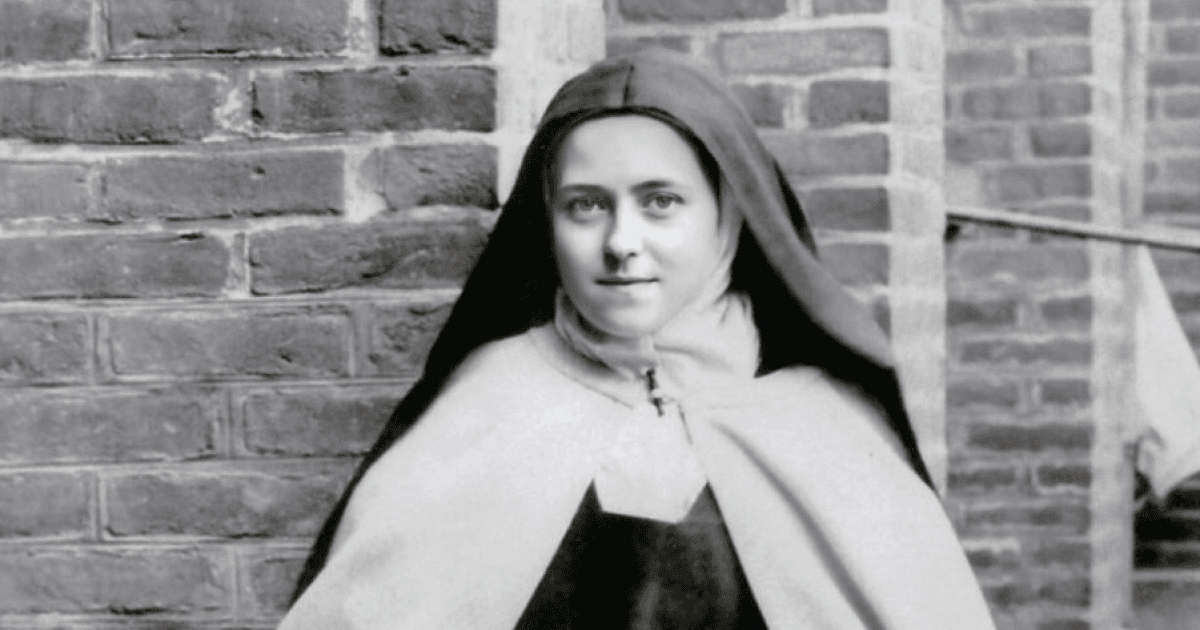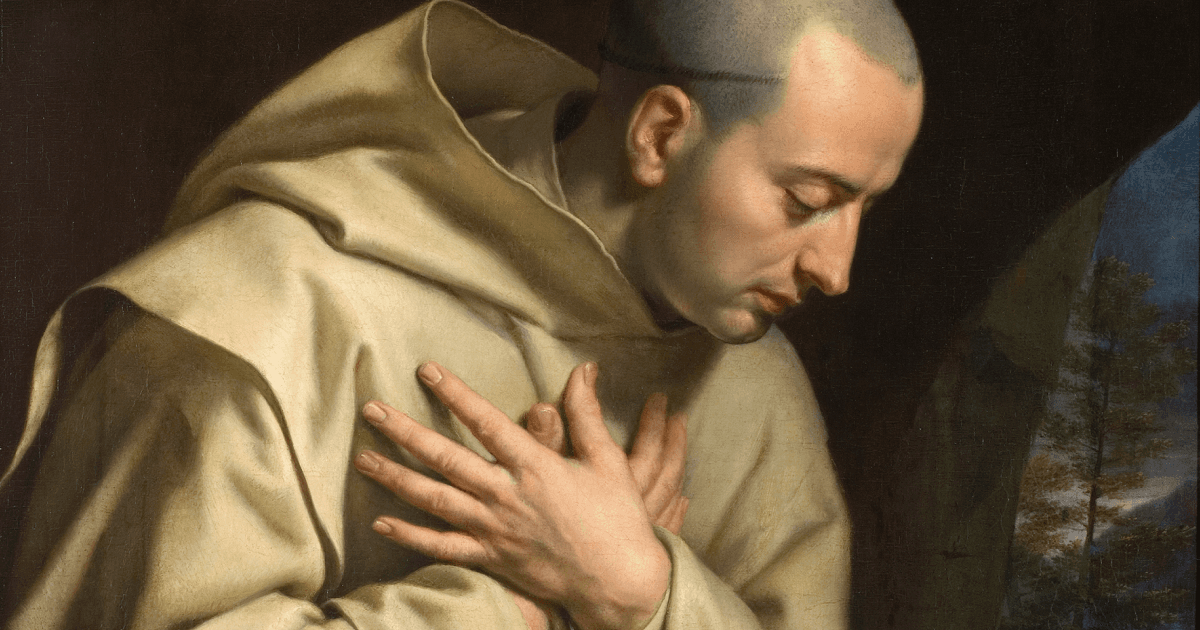
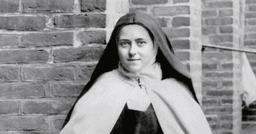
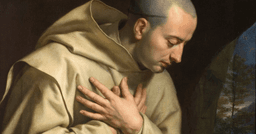



In Poland, where I often work as a correspondent, it is routine to see priests and nuns in their cassocks and habits in the shops, queuing at bus stops or hurrying between tasks. That everyday presence of real people remains crucially important in signalling Christianity’s openness and availability.
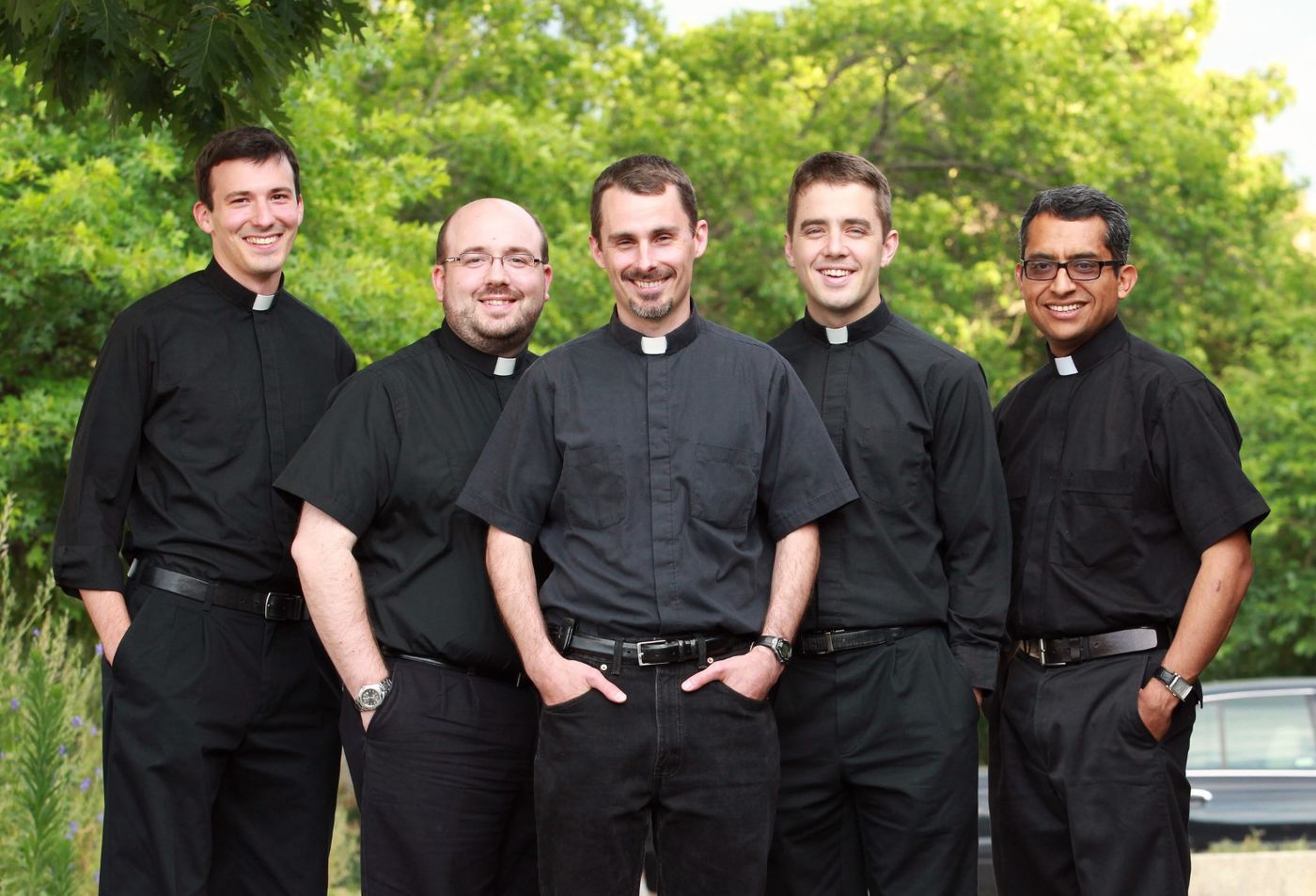
Yet here, even those in the public eye, while bemoaning the demise of church attendance, are likelier to be seen in jackets and ties, jeans and T-shirts, than in anything identifying them as clergy.
Oxford, a city of 150,000 people, is home to some 400 full-time priests and ministers, including chaplains and lecturers at its university and members of its religious houses. Its landmarks include St Giles, arguably the most religious street in Britain, where Balliol, St John’s and Somerville College, with their stately chapels, stand opposite two large parish churches, alongside Dominicans, Benedictines, High Anglicans, Quakers and Christian Scientists, as well as a whole theology faculty and Oratory – all in the space of 250 yards. Yet visitors are far likelier to see Muslim preachers in their Taqiyahs, talking to shoppers and handing out leaflets, than anyone in a clerical collar.