
May 24, 2026

Punk at 50: freedom, rebellion and the void

Ruadhan Jones
More
Related
Min read
share

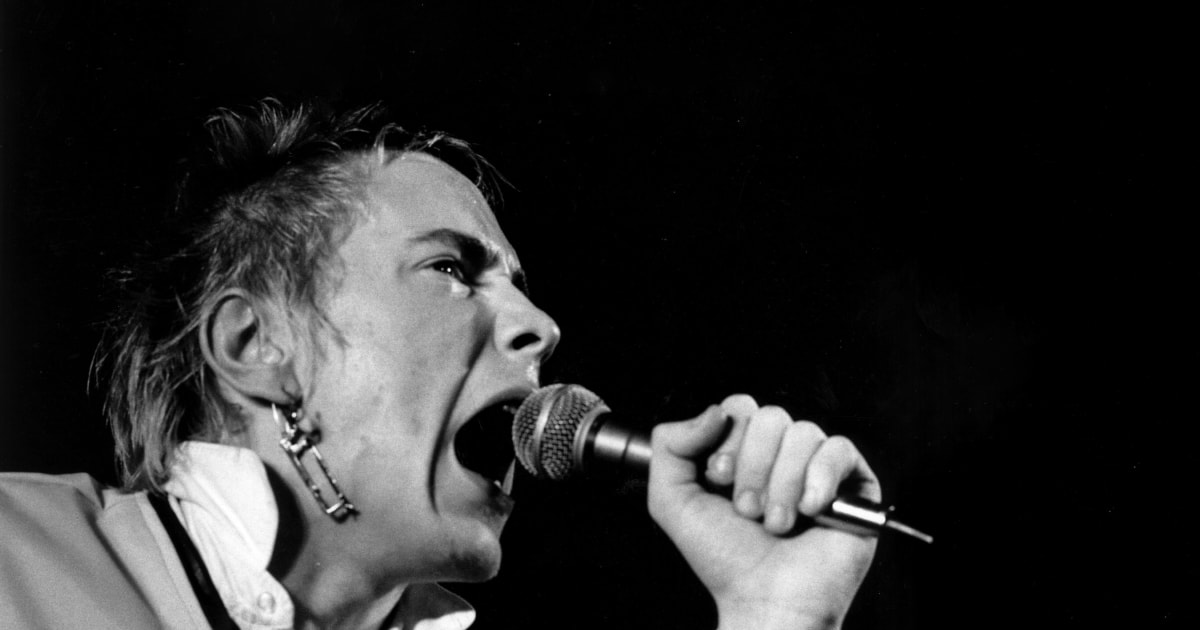
It is 50 years ago this summer that a new cultural phenomenon burst onto the scene in Britain. It began quietly with a concert in Manchester on June 4, 1976, with no more than 40 people present to watch The Sex Pistols as they played. But by the end of that year, punk was a national issue, emerging quickly from its musical subculture into the mainstream before dying out 18 months later. Despite its short life, punk was to have an outsized influence on Britain socially and culturally, ushering in an era of aggressive individualism, bridging the gap between the hippie idealism of the 1960s and the rampant materialism of the 1980s and beyond.

Punk started out as a musical rebellion against an ossified rock culture, encouraging a do-it-yourself attitude that led to a genuine burst of creativity. For punks, 1976 was “Year Zero”, the point from which everything began again, when rock stopped being about concept albums and returned to its roots as a rebellious, rabble-rousing sound. While punk music died out quickly, it led to a period of remarkable musical variety in the post-punk movement, which has left a lasting influence on the music scene today. The works of Joy Division, Talking Heads and The Jam are the musical reference points for modern British and Irish bands, not the Sex Pistols, The Damned or The Clash.

If its musical legacy is quite thin, its cultural legacy is significant. Punk began as an anti-fashion, the brainchild of the serial provocateur and fashion designer Malcolm McLaren, founder and manager of the Sex Pistols. It was meant to be a spirit of pure rebellion, for freedom from all authority and responsibility, the freedom truly to be yourself in the face of a stifling middle-class culture. As Billy Idol, lead singer of Generation X, summed it up in the track “Youth, Youth, Youth”: “I always gotta have a choice/ I don’t want security/ don’t want responsibility”.

Idol was not alone in his desire for freedom. The punks were fed up with the “safe European home”, as Joe Strummer of The Clash described it, with its polite, meaningless rituals, conventions and expectations. Track after track railed against the boredom of suburban life, the lack of any other options, the apparent lack of a future at all, as Johnny Rotten sang in the controversial track “God Save the Queen”: “There is no future in England’s dreaming… No future, there’s no future, no future for you”.

While the puerility of this rebellion is in many ways obvious, this should not take away from the fact that, in many ways, the punks were right to rebel. The “safe European home” was effectively a taboo, according to the definition of the late Prof Alasdair MacIntyre: a social structure or practice rendered meaningless by changes taking place around it. The home was meant to be based around a stable marriage oriented towards the flourishing of new life, but by 1976 divorce, contraception and abortion were already widely available.

The individualistic lifestyle these practices embodied was directly at odds with the needs of the family and home life, leaving only the bland, ossified household that Strummer and his ilk so despised. On top of that, the apparent alternative to this moribund way of life – the collectivist hippie ideologies of the 1960s – had all failed. The punks were in direct revolt against them, in fact, embracing a nihilistic philosophy that desired “freedom-from” but not “freedom-for”. As Pauline Murray of Penetration put it in her crude fashion: “Don’t dictate, don’t dictate, don’t dictate to me!” Richard Hell of the Voidoids put it a little more subtly in his anthemic “Blank Generation”: “I belong to the blank generation, and I can take it or leave it each time.” There was no unifying goal to be attained, only a nihilistic freedom to be explored.

It was essentially a non-conformist movement of a kind the Catholic anthropologist Mary Douglas might have diagnosed as a “millenarian cult”, meaning here the desire to strip away the accretions of tradition to free the authentic self, as if in some way society by its very existence inhibits our selfhood. Only when we are back at “Ground Zero” are we free to be ourselves. This made for some exciting music, but a terrible social and cultural ideal.

The “safe European home” looked absurd to the punks and, as I have said already, they were not entirely wrong: any rule looks absurd once its purpose has been lost. But while punks saw the absurdity, they did not realise that what was needed was reclamation not revolution, a corporate spiritual revival not individualistic nihilism.

In their desire to rip it up and start again, they left behind a void since filled by a rush of material wealth – or not filled at all, as was the case with one of punk’s tragic figures, Ian Curtis. The lead singer committed suicide on the cusp of the band’s American tour in 1980 and has since become an icon of the tortured artist. While this kind of hero worship is perverse, it is clear that he pierced some of the depths many of his peers failed to see, as in the case of “Heart and Soul”, a track from Joy Division’s second album, Closer. I will leave Curtis with the final word on the fruits of the punks and other would-be rebels:

“An abyss that laughs at creation

A circus complete with all fools

Foundations that lasted the ages

Then ripped apart at their roots”

Continue reading with a free account

Create a free account to read up to five articles each month
Create free account

You have # free articles remaining this month.

Subscribe to get unlimited access.
Sign up

subscribe to the catholic herald today

Our best content is exclusively available to our subscribers. Subscribe today and gain instant access to expert analysis, in-depth articles, and thought-provoking insights—anytime, anywhere. Don’t miss out on the conversations that matter most.
Subscribe