

February 12, 2026

The controversies that will define the Amazon synod

The Catholic Herald
More
Related
Min read
share

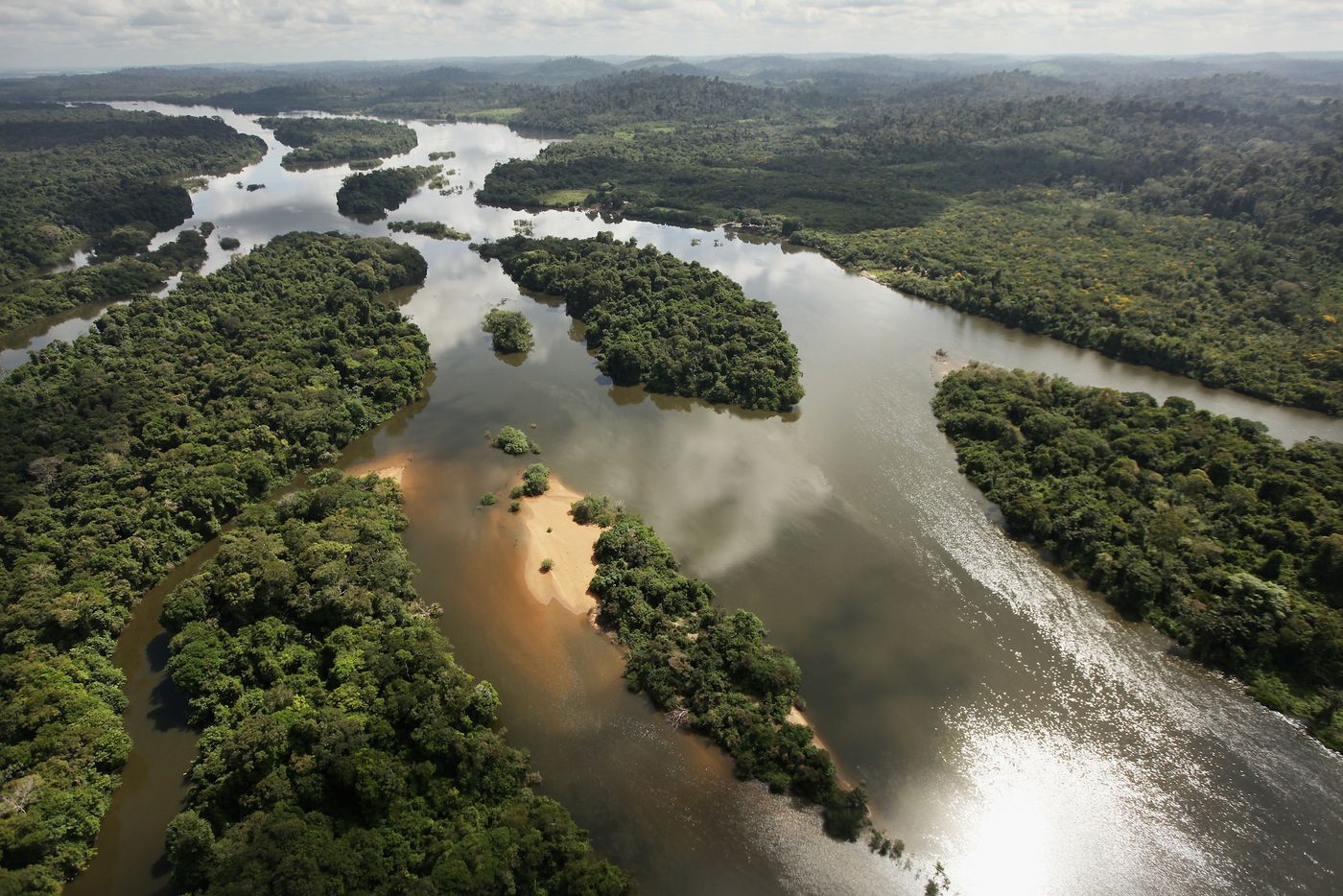
Now that the abuse summit is over, Vatican-watchers are turning their attention to Rome’s next big gathering of bishops: the Amazon synod. The meeting, which will take place on October 6-27, will bring together Church leaders from nine countries in the Pan-Amazonian region – Bolivia, Brazil, Colombia, Ecuador, French Guyana, Guyana, Peru, Suriname and Venezuela. The region is vast (2.3 million square miles) but has a small population (2.8 million) comprising some 400 tribes speaking 240 languages.

When Pope Francis announced the synod in 2017, he said its aim was “to identify new paths for the evangelisation of God’s people” in the area, especially indigenous peoples who are “often forgotten and without the prospect of a serene future” because of environmental destruction. But in recent weeks three potential areas of controversy have come into focus. They concern married priests, the Eucharist and the new Brazilian government.

Ever since the synod was announced, commentators have speculated that its ultimate purpose is to seek the ordination of married men. Advocates say that, because of a priest shortage, many in the region are only able to attend Mass a few times a year. The solution, they say, is to ordain viri probati – married men of proven virtue – on an experimental basis.

Opponents argue that if Rome permits married priests in the Amazon, then it will face demands from elsewhere, including Germany, and that such a radical change to the priesthood should be decided by the whole Church, not simply by a regional synod.

Pope Francis appeared to give a nod to the advocates in January when he was asked about married priests on his flight back from Panama. Citing the Pacific Islands, he said: “It’s something to think about when there’s a pastoral need.” Some observers believe that he referred to the Pacific Islands, rather than the Amazon, so as not to pre-empt discussions in October. More recently, synod organisers appear to be playing down the issue of married priests. But if previous synods are anything to go by, that’s a sure sign that it will be a major item on the agenda.

Last week Crux reported that the synod is also likely to discuss a controversial proposal to replace the bread used at Mass with yuca, a plant native to South America. The Brazilian theologian Fr Francisco Taborda SJ argues that in the Amazon’s humid environment normal hosts turn soft. “It’s not bread, and if it’s not bread, it’s not the Eucharist,” he told Crux, adding: “In the Amazon, bread is made out of yuca.” This proposal is likely to generate heated arguments, because the Church has long insisted that only bread made from wheat may be used at Mass. Many would regard any change as sacrilege.

It has also become evident in recent weeks that the new Brazilian government is keeping a wary eye on the synod. Last month O Estado de S Paulo, one of the country’s largest newspapers, reported that intelligence officials were monitoring the Church because of concerns that the synod would condemn President Jair Bolsonaro’s policies in the Amazon. Bolsonaro, nicknamed “the Trump of the Tropics”, has expressed scorn for environmental activists and suggested he will pull out of the Paris climate accord.

The government denied that its intelligence agency was probing the synod, but said that, as 60 per cent of the Amazon rainforest is in Brazil, it was concerned by potential threats to its “national sovereignty”. It is reportedly planning to sponsor a symposium in Rome shortly before the synod highlighting “Brazil’s concern and care for the Amazon”.

We must hope that the synod fathers will not be intimidated. The Church’s concern for the region dates back to at least 1912, when Pope Pius X criticised “ the deplorable condition of the Indians in Lower America” in his encyclical Lacrimabili Statu. So it is entirely legitimate for Church leaders to speak out.

While the synod is likely to spark debate about the priesthood, the Eucharist and the environment, will it “identify new paths for the evangelisation of God’s people”, as Pope Francis desires? If there is such a dire shortage of priests in the region, why should the Church not do what it has traditionally done in such cases: send more priests from elsewhere? That would help to build up the local community to the point where, one hopes, it would produce sufficient vocations itself. Or is the Amazon region truly unique to such a degree that the Church’s tried and trusted methods will not work there?

Now that the abuse summit is over, Vatican-watchers are turning their attention to Rome’s next big gathering of bishops: the Amazon synod. The meeting, which will take place on October 6-27, will bring together Church leaders from nine countries in the Pan-Amazonian region – Bolivia, Brazil, Colombia, Ecuador, French Guyana, Guyana, Peru, Suriname and Venezuela. The region is vast (2.3 million square miles) but has a small population (2.8 million) comprising some 400 tribes speaking 240 languages.

When Pope Francis announced the synod in 2017, he said its aim was “to identify new paths for the evangelisation of God’s people” in the area, especially indigenous peoples who are “often forgotten and without the prospect of a serene future” because of environmental destruction. But in recent weeks three potential areas of controversy have come into focus. They concern married priests, the Eucharist and the new Brazilian government.

Ever since the synod was announced, commentators have speculated that its ultimate purpose is to seek the ordination of married men. Advocates say that, because of a priest shortage, many in the region are only able to attend Mass a few times a year. The solution, they say, is to ordain viri probati – married men of proven virtue – on an experimental basis.

Opponents argue that if Rome permits married priests in the Amazon, then it will face demands from elsewhere, including Germany, and that such a radical change to the priesthood should be decided by the whole Church, not simply by a regional synod.

Pope Francis appeared to give a nod to the advocates in January when he was asked about married priests on his flight back from Panama. Citing the Pacific Islands, he said: “It’s something to think about when there’s a pastoral need.” Some observers believe that he referred to the Pacific Islands, rather than the Amazon, so as not to pre-empt discussions in October. More recently, synod organisers appear to be playing down the issue of married priests. But if previous synods are anything to go by, that’s a sure sign that it will be a major item on the agenda.

Last week Crux reported that the synod is also likely to discuss a controversial proposal to replace the bread used at Mass with yuca, a plant native to South America. The Brazilian theologian Fr Francisco Taborda SJ argues that in the Amazon’s humid environment normal hosts turn soft. “It’s not bread, and if it’s not bread, it’s not the Eucharist,” he told Crux, adding: “In the Amazon, bread is made out of yuca.” This proposal is likely to generate heated arguments, because the Church has long insisted that only bread made from wheat may be used at Mass. Many would regard any change as sacrilege.

It has also become evident in recent weeks that the new Brazilian government is keeping a wary eye on the synod. Last month O Estado de S Paulo, one of the country’s largest newspapers, reported that intelligence officials were monitoring the Church because of concerns that the synod would condemn President Jair Bolsonaro’s policies in the Amazon. Bolsonaro, nicknamed “the Trump of the Tropics”, has expressed scorn for environmental activists and suggested he will pull out of the Paris climate accord.

The government denied that its intelligence agency was probing the synod, but said that, as 60 per cent of the Amazon rainforest is in Brazil, it was concerned by potential threats to its “national sovereignty”. It is reportedly planning to sponsor a symposium in Rome shortly before the synod highlighting “Brazil’s concern and care for the Amazon”.

We must hope that the synod fathers will not be intimidated. The Church’s concern for the region dates back to at least 1912, when Pope Pius X criticised “ the deplorable condition of the Indians in Lower America” in his encyclical Lacrimabili Statu. So it is entirely legitimate for Church leaders to speak out.

While the synod is likely to spark debate about the priesthood, the Eucharist and the environment, will it “identify new paths for the evangelisation of God’s people”, as Pope Francis desires? If there is such a dire shortage of priests in the region, why should the Church not do what it has traditionally done in such cases: send more priests from elsewhere? That would help to build up the local community to the point where, one hopes, it would produce sufficient vocations itself. Or is the Amazon region truly unique to such a degree that the Church’s tried and trusted methods will not work there?

subscribe to
the catholic herald

Continue reading your article with a subscription.
Read 5 articles with our free plan.
Subscribe

subscribe to the catholic herald today

Our best content is exclusively available to our subscribers. Subscribe today and gain instant access to expert analysis, in-depth articles, and thought-provoking insights—anytime, anywhere. Don’t miss out on the conversations that matter most.
Subscribe