

March 19, 2026

Pope Leo says safeguarding is a test of the Church’s credibility

More
Related
Min read
share

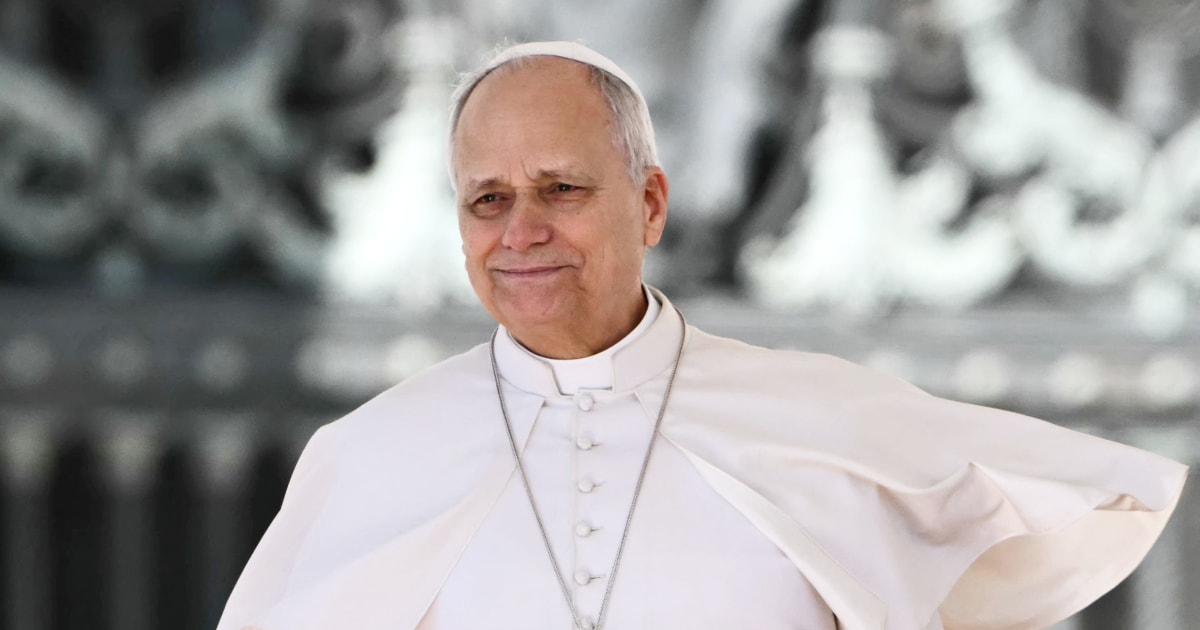
Pope Leo has said that the protection of minors is no longer a discrete policy area but a test of ecclesial credibility.

On Monday, March 16, he told members of the Pontifical Commission for the Protection of Minors that their work is “essential for the life of the Church”.

Delivered in the Apostolic Palace during the Commission’s plenary assembly, the address signalled continuity with the reforms of Pope Francis and a firmer effort to embed safeguarding within the daily governance of the Church rather than leaving it as a reactive mechanism.
“Prevention is never simply a set of protocols or procedures,” he said, insisting instead on the formation of a “culture of care” in which safeguarding becomes “a natural expression of faith”. This approach places the burden not only on structures but on attitudes, with the Pope calling for a “process of conversion in which the suffering of others is heard and moves us to act”.

The speech also highlights a developing institutional alignment within the Roman Curia, particularly between the Commission and the Dicastery for the Doctrine of the Faith. Leo pointed to “synergistic and effective” cooperation between prevention and discipline, suggesting that the Vatican is seeking to overcome earlier criticisms of fragmentation in its handling of abuse cases. The integration of safeguarding into the Curia, initiated under Francis, is presented not as an administrative adjustment but as a structural reminder that “the prevention of abuse is not an optional task”.

There is also a strong emphasis on accountability at the local level. The Pope was explicit that “Ordinaries and Major Superiors” bear responsibilities that “cannot be delegated”, a formulation that appears designed to counter a long-standing pattern in which bishops relied heavily on centralised processes or external expertise. By insisting that listening to and accompanying victims “must find concrete expression in every ecclesial community”, Leo places the onus on diocesan leadership, reinforcing the principle that failures of safeguarding are failures of governance.

The Commission’s annual report was described as “an exercise in truth and responsibility”, underlining the Vatican’s continued reliance on transparency mechanisms as a means of rebuilding trust. Yet the Pope paired this with a caution that “prudence preserves us from improvisation and superficiality”, indicating a concern that rapid or symbolic reforms risk undermining long-term credibility. The balancing of “hope” and “prudence” reflects a wider tension within the Church’s response to abuse: the need to demonstrate urgency without appearing unstable or reactive.

Leo also drew attention to emerging areas of risk, including the evolving concept of vulnerability and the challenge of technology-facilitated abuse. By urging the Commission to read these as “signs of the times”, he places safeguarding within the Church’s broader tradition of interpreting contemporary developments through a pastoral lens.

The reference to digital abuse in particular suggests an awareness that the Church’s existing frameworks, largely developed in response to clerical misconduct in physical settings, may be insufficient for new forms of harm.

The proposed framework of universal guidelines, which the Pope said he expects to receive for further discernment, represents the next phase of this effort.

If implemented, it would mark a significant step towards standardisation across dioceses worldwide, addressing one of the persistent criticisms of the Church’s safeguarding regime: the uneven application of norms. At the same time, the emphasis on consultation and discernment indicates that the Vatican remains cautious about imposing rigid solutions on a global Church marked by diverse legal and cultural contexts.

Pope Leo has said that the protection of minors is no longer a discrete policy area but a test of ecclesial credibility.

On Monday, March 16, he told members of the Pontifical Commission for the Protection of Minors that their work is “essential for the life of the Church”.

Delivered in the Apostolic Palace during the Commission’s plenary assembly, the address signalled continuity with the reforms of Pope Francis and a firmer effort to embed safeguarding within the daily governance of the Church rather than leaving it as a reactive mechanism.
“Prevention is never simply a set of protocols or procedures,” he said, insisting instead on the formation of a “culture of care” in which safeguarding becomes “a natural expression of faith”. This approach places the burden not only on structures but on attitudes, with the Pope calling for a “process of conversion in which the suffering of others is heard and moves us to act”.

The speech also highlights a developing institutional alignment within the Roman Curia, particularly between the Commission and the Dicastery for the Doctrine of the Faith. Leo pointed to “synergistic and effective” cooperation between prevention and discipline, suggesting that the Vatican is seeking to overcome earlier criticisms of fragmentation in its handling of abuse cases. The integration of safeguarding into the Curia, initiated under Francis, is presented not as an administrative adjustment but as a structural reminder that “the prevention of abuse is not an optional task”.

There is also a strong emphasis on accountability at the local level. The Pope was explicit that “Ordinaries and Major Superiors” bear responsibilities that “cannot be delegated”, a formulation that appears designed to counter a long-standing pattern in which bishops relied heavily on centralised processes or external expertise. By insisting that listening to and accompanying victims “must find concrete expression in every ecclesial community”, Leo places the onus on diocesan leadership, reinforcing the principle that failures of safeguarding are failures of governance.

The Commission’s annual report was described as “an exercise in truth and responsibility”, underlining the Vatican’s continued reliance on transparency mechanisms as a means of rebuilding trust. Yet the Pope paired this with a caution that “prudence preserves us from improvisation and superficiality”, indicating a concern that rapid or symbolic reforms risk undermining long-term credibility. The balancing of “hope” and “prudence” reflects a wider tension within the Church’s response to abuse: the need to demonstrate urgency without appearing unstable or reactive.

Leo also drew attention to emerging areas of risk, including the evolving concept of vulnerability and the challenge of technology-facilitated abuse. By urging the Commission to read these as “signs of the times”, he places safeguarding within the Church’s broader tradition of interpreting contemporary developments through a pastoral lens.

The reference to digital abuse in particular suggests an awareness that the Church’s existing frameworks, largely developed in response to clerical misconduct in physical settings, may be insufficient for new forms of harm.

The proposed framework of universal guidelines, which the Pope said he expects to receive for further discernment, represents the next phase of this effort.

If implemented, it would mark a significant step towards standardisation across dioceses worldwide, addressing one of the persistent criticisms of the Church’s safeguarding regime: the uneven application of norms. At the same time, the emphasis on consultation and discernment indicates that the Vatican remains cautious about imposing rigid solutions on a global Church marked by diverse legal and cultural contexts.

subscribe to
the catholic herald

Continue reading your article with a subscription.
Read 5 articles with our free plan.
Subscribe

subscribe to the catholic herald today

Our best content is exclusively available to our subscribers. Subscribe today and gain instant access to expert analysis, in-depth articles, and thought-provoking insights—anytime, anywhere. Don’t miss out on the conversations that matter most.
Subscribe